If your home has little light, don’t worry. You can still enjoy indoor flowering plants with beautiful blooms.
In fact, many low-light plants come from tropical rainforests. They are used to shade and filtered light. So they can still thrive in indoor spaces.
Even better, these plants bring color to dim areas. They turn a simple room into something calm and alive.
So let’s go through the best plants, and how to help them bloom.
What Does Low Light Really Mean?
Low light does not mean no light.
It usually means a north-facing window, or a spot far from a window. These areas get limited natural light.
Some plants also do well in office spaces with artificial lighting or fluorescent lights.
The key is choosing the right plant for lower light situations. That is what makes all the difference.
Begonia
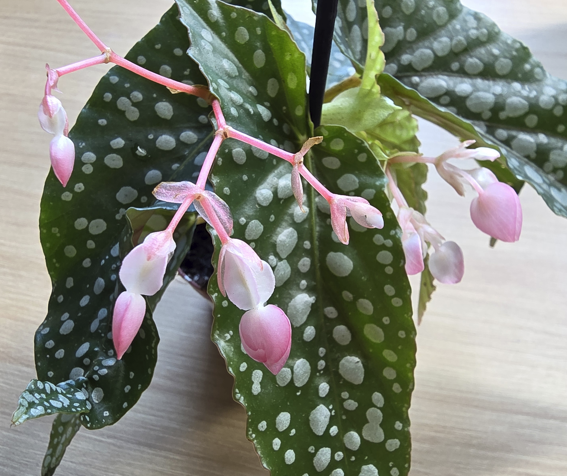
Begonias are a perfect choice for low-light houseplants.
They come from tropical regions, so they like warm air and a bit of humidity. Many types produce vibrant flowers in pink, red, or white.
They grow well in bright indirect light, but they can handle medium light too.
Keep the soil lightly moist. Do not let it sit in water. This helps avoid root problems.
Their lush green leaves and soft blooms make them one of the best indoor plants for style.
Peace Lily
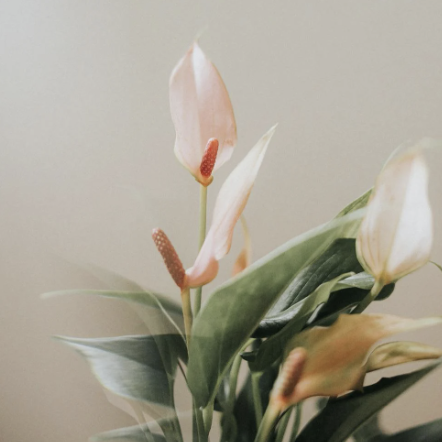
The Peace Lily is one of the easiest indoor plants you can grow.
It is well known for its white flowers and air-purifying qualities. It also handles low light conditions very well.
Peace lilies like moist soil and high humidity. They will even droop when they need water, which makes care simple.
They are a perfect plant for living rooms or bedrooms with limited light.
Cyclamen
Cyclamen is a lovely plant for colder months.
It produces bright flowers when many other plants rest. This makes it great during winter months.
It prefers cooler temperatures and indirect sunlight. Too much heat can shorten its blooming time.
Keep the soil slightly moist, but avoid wet leaves. This helps prevent fungal issues.
Orchids
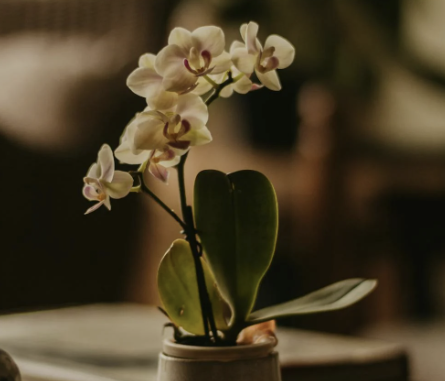
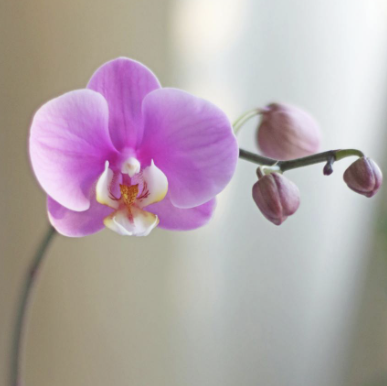
Orchids may look tricky, but they are easier than they seem.
The Phalaenopsis Orchid is the best type for beginners.
It grows naturally in tropical forests, so it loves bright indirect light and high humidity.
Water lightly and let the roots dry between watering. This keeps the plant healthy.
With proper care, orchids can bloom for months at a time.
African Violets
African Violet is a classic indoor plant.
It stays small, so it is perfect for small spaces or a side table.
It produces vibrant flowers in purple, pink, or white. These blooms can last a long time.
It prefers bright indirect light and warm conditions. Avoid getting water on the leaves.
This is one of the best flowers for beginners who want easy success.
Spathiphyllum
While peace lily and spathiphyllum are the same, it is worth highlighting again.
That is because peace lilies are one of the best low-light houseplants that flower.
They grow well in dim areas and still produce elegant white blooms.
If you want a reliable flowering plant, this is a great choice.
Lipstick Plant
The Lipstick Plant is a fun and slightly unusual choice.
It gets its name from its bright red flowers, which look like lipstick tubes. So it really stands out in indoor spaces.
This plant comes from tropical rainforests. So it prefers bright indirect light and higher humidity.
It can handle lower light situations, but flowering may slow down.
Keep the soil lightly moist. Avoid excess water, as this can lead to root rot.
Its trailing vines also make it perfect for shelves or hanging pots.
Christmas Cactus
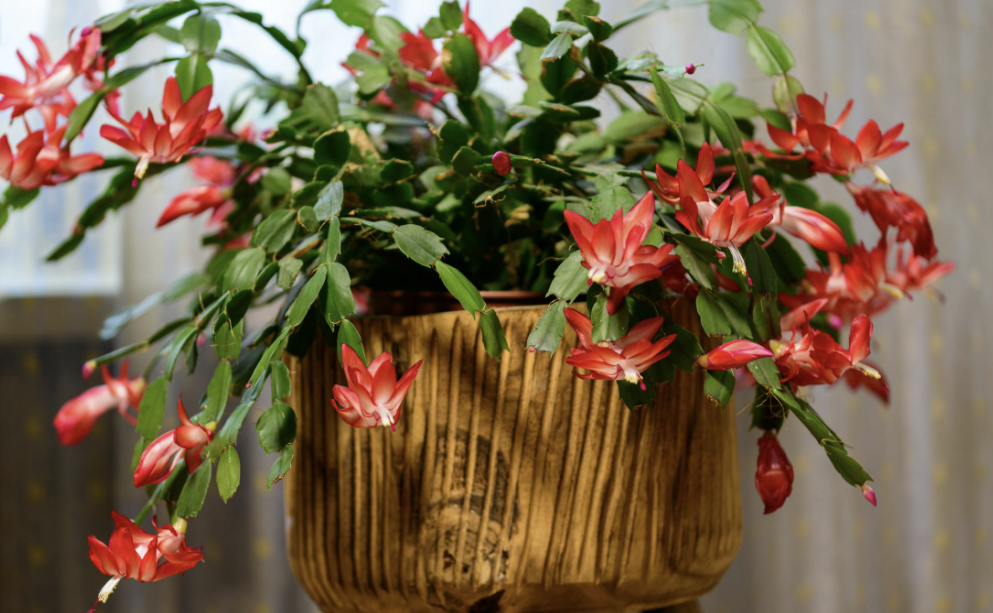
The Christmas Cactus is one of the best indoor flowering plants for winter months.
It produces bright flowers in pink, red, or white when most plants are resting.
It grows well in indirect sunlight and can handle low light conditions better than most cactus types.
Unlike desert cactus, it likes a bit more water. Keep the top inch of soil slightly moist.
It is a great choice for beginners who want reliable blooms.
Anthurium
The Anthurium is known for its glossy leaves and bold flowers.
It produces heart-shaped blooms in red, pink, or white. These can last for weeks.
It prefers bright indirect light but can adapt to lower light conditions.
For best results, keep humidity high and avoid dry air.
Water when the top inch of soil feels dry. Good drainage is very important.
This plant adds a tropical feel to any living room.
Clivia
The Clivia is a great low-light flowering option that many people overlook.
It produces clusters of orange or yellow flowers, usually in late winter or early spring.
It actually prefers lower light and does not enjoy direct sunlight.
Let the soil dry slightly between watering. It does not like sitting in wet soil.
Clivia also likes being slightly root-bound, so avoid repotting too often.
Bromeliads
The Bromeliad family includes many indoor flowering plants.
They are known for bold, long-lasting цвет blooms and tropical style.
They grow well in low-light conditions and indoor spaces with indirect light.
Instead of watering the soil, you often water the center of the plant.
They are low-maintenance plants and a perfect choice for beginners.
Kalanchoe
The Kalanchoe is a compact plant with bright flowers.
It blooms in red, pink, yellow, or orange.
It prefers bright light, but it can still manage in medium light or slightly dim areas.
Let the soil dry out between watering. It stores water in its leaves, so avoid too much water.
It is a good choice for small spaces or a desk.
How to Encourage Flowers
Getting flowers in low light can feel tricky. But a few simple steps help a lot.
First, make sure your plant gets enough light. Even low-light plants need some natural light.
Second, feed your plant during the growing season. A light fertiliser helps support blooms.
Also, keep conditions steady. Sudden changes can stop flowering.
Finally, remove old blooms. This helps the plant focus on new flowers.
Using Grow Lights
If your space is very dark, a grow light is a good idea.
A simple grow light can boost light levels and improve flowering.
Place it near your plants for a few hours each day.
This is especially helpful in winter months when natural light is low.
It is one of the easiest ways to get better results indoors.
Conclusion
So, as you can see, low light does not mean no flowers.
There are many beautiful indoor flowering plants that thrive in low-light conditions.
From peace lilies to orchids, there is a perfect plant for every space.
With the right care and a little patience, you can enjoy blooms all year.
And honestly, once you start, it is hard to stop adding more to your collection.