
The prayer plant is one of the most beautiful houseplants you can grow. Their stunning leaf patterns, vibrant colours, and unique daily movement make them stand out in any indoor garden.
Even better, they are surprisingly rewarding once you understand their needs.
If your plant has brown tips, yellow leaves, or curling foliage, don’t worry. Most problems are easy to fix. In this guide, you’ll learn exactly how to care for a prayer plant and keep it thriving for years.
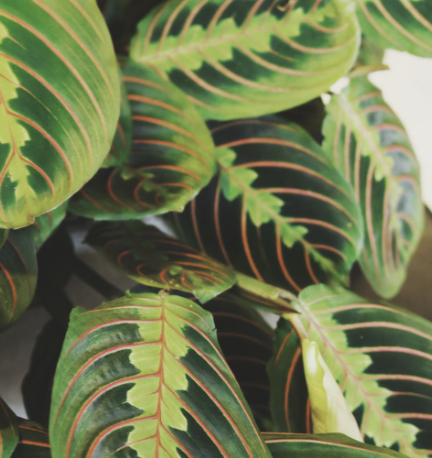
What Is a Prayer Plant?
The common name prayer plant usually refers to Maranta leuconeura. It belongs to the arrowroot family, also known as the Marantaceae family.
These plants get their name from their daily movement. During the day, the leaves lie flat. At night, they fold upward like hands in prayer.
This fascinating movement is called nyctinasty. It helps the plant respond to changing light levels in its natural habitat.
These tropical native plants grow naturally on the forest floor of tropical rainforests in Central and South America. Because of this, they enjoy warm temperatures, high humidity, and filtered light.
Background and Native Habitat of the Prayer Plant
In the wild, prayer plants grow beneath larger trees. As a result, they rarely receive direct sunshine.
Instead, they thrive in bright indirect light that filters through the forest canopy.
The forest floor of tropical rainforests stays warm and moist throughout the year. Therefore, these plants prefer moist soil, high humidity levels, and a consistently warm spot inside your home.
Understanding their native habitat is often the best way to understand their care needs.
Light Requirements
Light is one of the most important parts of prayer plant care.
These plants grow best in bright indirect light. A few feet away from an east-facing or north-facing window is often ideal.
Too much direct sunshine can scorch the leaves. This often causes brown spots, faded colors, and damaged foliage.
On the other hand, low light levels can slow growth and reduce the plant’s vibrant colors.
If your home lacks natural light, a grow light can help maintain healthy growth.
Signs Your Plant Has the Right Light
A happy plant will have:
- Bright green leaves
- Strong leaf patterns
- Steady new growth
- Regular daily movement
Water Requirements
Learning when to water prayer plants is essential.
Prayer plants like moist soil, but they do not like soggy conditions.
Check the top inch of soil before watering. If it feels slightly dry, it is usually time to water.
Use tepid water whenever possible. Cold water can shock the roots.
Filtered Water vs Tap Water
Many prayer plants are sensitive to minerals found in hard water.
Therefore, filtered water or tepid distilled water often produces the best results.
Tap water can sometimes lead to brown leaf tips, brown edges, and brown spots.
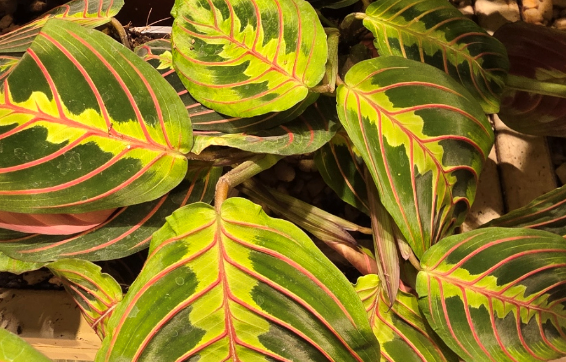
How To Avoid Root Rot
Always use a pot with drainage holes.
Excess water drains away quickly when drainage is good.
Without proper drainage, root rot can develop and damage part of the root system.
Temperature Requirements
Prayer plants prefer warm temperatures throughout the year.
The ideal ambient temperature is between 18°C and 27°C.
Try to avoid sudden temperature changes.
Keep plants away from:
- Drafty windows
- Air conditioning vents
- Radiators
- Exterior doors
The minimum temperature should stay above 15°C.
Humidity Requirements
High humidity is one of the biggest secrets to growing beautiful prayer plants.
Dry air often causes:
- Brown tips
- Brown edges
- Crispy leaves
Aim for humidity levels above 50%.
Ways to Boost Humidity
You can boost humidity by:
- Using a pebble tray
- Running a humidifier
- Grouping tropical plants together
A tray of moist pebbles helps create a more humid environment around the plant.
Prayer plants love plenty of humidity and often reward you with healthier foliage.
Best Soil for Prayer Plants
Prayer plants need loose, well-draining soil.
A quality soil-based compost mixed with perlite works well.
The soil should retain some moisture while allowing excess water drains easily.
Heavy soil often stays wet too long and increases the risk of root rot.
Fertiliser Requirements
Prayer plants benefit from regular feeding during the growing season.
Use a balanced fertilizer every four weeks from spring through early autumn.
Always dilute fertilizer to half strength.
Too much fertilizer can burn the roots and cause brown patches on the leaves.
During the winter months, growth slows naturally. Therefore, feeding is usually unnecessary.
Repotting Prayer Plants
Prayer plants have shallow roots. As a result, they usually prefer a small container rather than an oversized pot.
The best time to repot is during spring.
Signs your plant needs repotting include:
- Roots growing through drainage holes
- Water running straight through the pot
- Slowed growth
Choose a pot only slightly larger than the current one.
A shallow container often works better than a deep pot.
Pruning
Pruning keeps prayer plants looking tidy and healthy.
Use clean scissors or a sharp knife.
Remove:
- Yellow leaves
- Damaged foliage
- Brown leaf tips
- Dead stems
Regular pruning also encourages fuller growth.
Propagation
Propagation is one of the easiest ways to create new plants.
Propagating Through Stem Cuttings
The best way to propagate a prayer plant is through stem cuttings.
Using a sharp knife, cut an inch segment of stem below a leaf node.
Place the cutting in water or moist soil.
Many gardeners also use root growth hormone to encourage faster rooting.
Keep the cutting in a warm, humid environment.
Within several weeks, roots should begin forming.
Once roots develop, move the cutting into its own pot.
Seasonal Care
Spring and Summer
This is the growing season.
Growth speeds up and new growth appears regularly.
Water more often and fertilize monthly.
Autumn
Growth begins slowing.
Reduce watering slightly.
Winter
The winter months can be challenging.
Dry air from heating systems often causes brown tips.
Keep the plant in a consistently warm spot and maintain plenty of humidity.
Plant Benefits
Prayer plants offer more than just beauty.
They:
- Add vibrant colors to your home
- Create a calming atmosphere
- Improve the appearance of shelf plants
- Make excellent good hanging basket plants
- Bring a tropical feel indoors
Their daily movement also makes them fascinating to watch!
Common Prayer Plant Problems and Troubleshooting
Brown Tips
Brown tips are usually caused by:
- Dry air
- Hard water
- Low humidity
- Too much fertilizer
Switching to filtered water and increasing humidity often solves the issue.
Yellow Leaves
Yellow leaves often indicate overwatering.
Allow the top inch of soil to dry slightly before watering again.
Curling Leaves
Curling leaves usually signal:
- Low humidity
- Underwatering
- Temperature stress
Brown Spots
Brown spots can result from:
- Direct sunshine
- Hard water
- Fungal disease
No New Growth
Slow growth often occurs when light levels are too low.
Move the plant closer to bright indirect light or use a grow light.
Prayer Plant Pests
Like many tropical plants, prayer plants can attract pests.
Spider Mites
Spider mites are among the most common pests.
Look for fine webbing, tiny moving dots, and damaged leaves.
Pay special attention to the undersides of the leaves.
A magnifying glass can help spot infestations early.
Red Spider Mite
Red spider mite infestations become more common when humidity is low.
Increasing humidity often helps prevent future outbreaks.
Other Pests
Prayer plants may also attract mealybugs, aphids, and fungus gnats, but these are not as common.
Inspect new plants carefully before bringing them home.
Diseases
Root Rot
Root rot is the most common disease affecting prayer plants. It occurs when soil remains wet for too long.
Symptoms include yellow leaves, wilting, soft stems, and foul-smelling roots.
Improving drainage usually prevents this problem.
Leaf Spot Diseases
Leaf spot diseases can create brown spots and brown patches on foliage.
Good airflow and proper watering help reduce risk.
Is Prayer Plant Pet Friendly?
Yes. Prayer plants are considered non-toxic to cats and dogs.
That makes them one of the safest beautiful house plants for pet owners.
However, it is still best to prevent pets from chewing the leaves.
Other Prayer Plant Relatives
If you love prayer plants, you may also enjoy:
- Calathea Ornata
- Calathea Medallion
- Calathea Makoyana
- Stromanthe Triostar
- Ctenanthe Burle-Marxii
These plants are all part of the family of plants known as Marantaceae.
Prayer plants are some of the most rewarding tropical houseplants you can grow.
Their colorful foliage and daily movement make them truly special.
Most particular care concerns come down to humidity, watering, and light.
Provide bright indirect light, moist soil, warm temperatures, and plenty of humidity. In return, your prayer plant will reward you with healthy leaves and beautiful growth for years to come.
Frequently Asked Questions
Where is the best place to put a prayer plant?
The best place is near a bright window with bright indirect light. Avoid direct sunshine. A warm room with high humidity works best.
How to tell if a prayer plant is happy?
A happy plant will produce new growth, show vibrant colors, and move its leaves each day. Healthy leaves should look bright and firm.
What is the lifespan of a prayer plant?
With proper care, these plants can live for many years. Many indoor plants thrive for over a decade when conditions remain stable.
What are common prayer plant problems?
Common problems include brown tips, yellow leaves, root rot, spider mites, curling leaves, and brown spots.
What makes a prayer plant happy?
Prayer plants love bright indirect light, moist soil, warm temperatures, filtered water, and plenty of humidity.
Do you water a prayer plant from the top or bottom?
Both methods work. Most gardeners water from the top until excess water drains from the drainage holes. Bottom watering can also help maintain even moisture.
Do prayer plants like big or small pots?
These plants generally prefer a small container because they have shallow roots. Avoid pots that are much larger than the root ball.
What does it mean when a prayer plant blooms?
Blooming usually means your plant is healthy and receiving good care. Some varieties produce small purple flowers during active growth.
What does an overwatered prayer plant look like?
An overwatered plant often develops yellow leaves, wilting stems, soft roots, and signs of root rot. The soil may also remain wet for long periods.