
If you’re looking for an exotic plant that brings a dramatic flair to your indoor garden, the Alocasia Bambino is an excellent choice!
Known for its striking arrow-shaped leaves and white veins, this plant is a showstopper in the alocasia genus.
While it needs a bit more attention than some other indoor plants, the reward of caring for an Alocasia Bambino is well worth it. Here’s your ultimate guide to growing this gorgeous plant.
Why Have an Alocasia Bambino?
With its tropical rainforest origins in southeast Asia and subtropical Asia, the Alocasia Bambino (sometimes called the Kris Plant) is ideal for those who want a piece of the jungle at home.
Its compact size makes it perfect for small spaces like apartments or desks.
Despite being a bit difficult, this plant’s care routine teaches you lessons about humid conditions, watering, and light, making it a rewarding challenge for beginner and intermediate plant friends alike.
Background
Alocasia Bambino is a compact tropical plant with striking arrow-shaped leaves. Its full name is often listed as Alocasia × amazonica ‘Bambino’. However, plant names can be confusing, so you may also see it sold simply as Alocasia Bambino.
It belongs to the Araceae family. This is the same plant family as popular plants like Monstera and peace lilies. Alocasias are tropical plants that evolved in warm forest environments. They often grow beneath taller plants and trees. As a result, they receive bright light that is filtered through the forest canopy. This helps explain their love of bright indirect light.
Alocasia Bambino also has a rhizome. This is an underground storage stem that helps the plant store energy. This storage system helps it survive periods of slower growth. However, it does not mean you should keep the soil constantly wet. In fact, poor drainage is one of the biggest risks for Alocasia Bambino.
Beginner Information
Alocasia Bambino looks like a difficult plant. However, it is not impossible to care for. The main challenge is giving it the conditions it naturally prefers.
It likes warmth, humidity, bright indirect light, and consistent moisture. At the same time, it does not like sitting in soggy soil. This balance can be tricky for beginners.
The key is to avoid extremes. Do not let the plant become bone dry for long periods. However, do not keep the soil soaking wet either. Think of the soil as lightly moist rather than constantly wet.
Light is also important. A plant receiving more light will usually use water faster. A plant in low light may use much less water. Therefore, you should always consider light levels before watering. This simple habit can prevent many Alocasia Bambino problems.
Types
There are many different Alocasia species and cultivars. Some have enormous leaves, while others stay much smaller. Alocasia Bambino is one of the more compact choices.
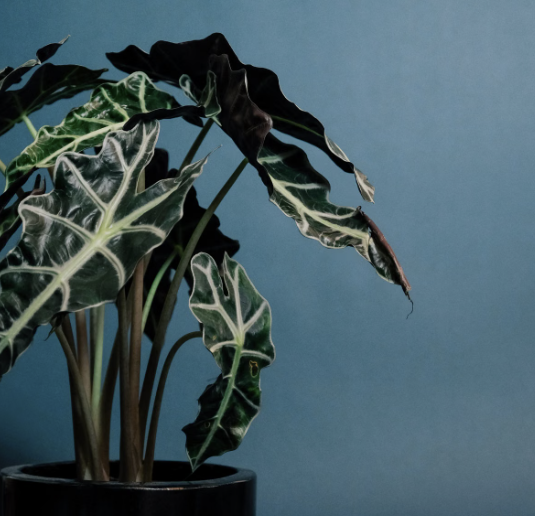
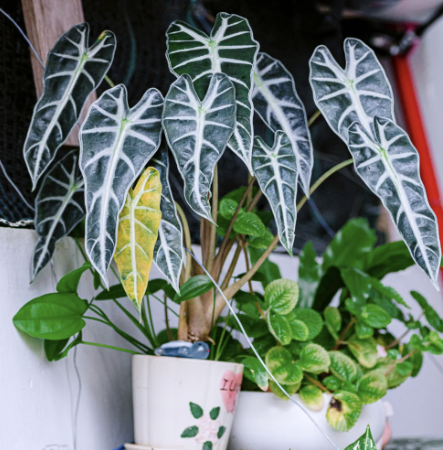
It has narrow, arrow-shaped leaves with strong pale veins. The dark green leaves create a dramatic contrast, making this plant stand out in an indoor plant collection.
You may also come across Alocasia Polly when shopping for plants. Both plants are popular choices, but there are some differences.
Alocasia Bambino vs Polly
Alocasia Bambino and Alocasia Polly are very similar. Both have dark green leaves with pale veins, and both are compact compared with many larger Alocasia plants.
However, their leaf shapes and overall size can differ. Bambino generally has narrower leaves and a more compact form, while Polly often develops larger and broader leaves.
Both plants have similar care needs. Therefore, the same basic Alocasia Bambino plant care routine can work well for Polly too.
Indoors or Outdoors?
Alocasia Bambino is best grown indoors in most homes. It can grow outdoors in warm, tropical climates, but it does not cope well with cold temperatures. This makes outdoor growing difficult in cooler areas.
If you live in the UK, indoor growing is the safest option. You can move your plant outside during warm summer weather, but choose a sheltered position with bright, filtered light. Avoid strong direct sunlight, as intense sunlight can scorch the leaves.
You should also bring the plant indoors before temperatures fall. Cold weather can cause serious stress because Alocasias naturally prefer warm conditions.
Is Alocasia Bambino Care Similar to Any More Common Plants?
Alocasia Bambino has similar needs to several tropical houseplants. Monstera, peace lilies, and some Philodendrons all enjoy warm and humid conditions. They also prefer bright indirect light.
However, Alocasia Bambino can be less forgiving when its conditions change. For example, it may react quickly to low humidity. It can also struggle if the soil becomes too dry.
This does not mean it is impossible to care for. It simply means you need to pay closer attention. If you already care for tropical indoor plants, you will have a useful head start.
Why Are Alocasias So Difficult to Keep Alive?
Alocasias are not naturally difficult plants. They are simply adapted to very different conditions from most homes.
Their natural environment is warm and humid, while indoor homes can be much cooler and drier. Heating can also reduce indoor humidity. This can cause faster water loss from the leaves.
Plants lose water through tiny openings called stomata. These openings help plants exchange gases and control water loss. When humidity is low, plants can lose water faster. This can lead to crispy edges and drooping leaves.
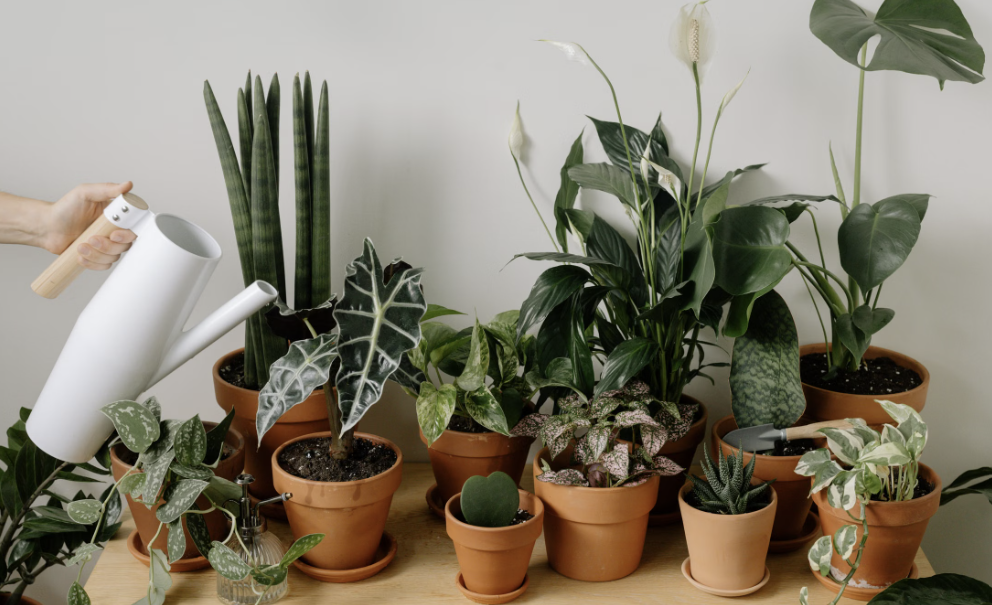
Alocasias can therefore struggle when humidity drops too low. The good news is that you can improve their growing conditions. A humidifier can help in very dry rooms, while grouping plants together can raise local humidity.
However, humidity alone will not solve every problem. Good light, watering, temperature, and drainage still matter.
Size
The Alocasia Bambino is a small alocasia variety, reaching only 12–18 inches tall. Its small nature and arrowhead-shaped leaves make it perfect for tight spaces.
Light
The Alocasia Bambino need bright indirect light.
Too much direct sunlight can burn its delicate leaves, while low light or little light can stunt growth.
Place it near east-facing windows or a south-facing window filtered by a sheer curtain. If your home lacks natural light, supplement with a grow light.
Water
This plant loves moist soil, but overwatering leads to root rot, a common problem with alocasia plants.
The top inch of soil should dry out before watering. During the growing season (spring and summer), water more frequently; in winter months, reduce watering as the plant enters a dormant period.
Temperature
Alocasia Bambino thrives in warm temperatures between 65°F and 80°F.
It dislikes cold drafts, so avoid placing it near air conditioners or heaters. Avoid exposing it to temperatures below 60°F, as this can cause the plant to go dormant or drop leaves.
Humidity
As a tropical plant, it loves humid environments with high humidity levels (60% or more). You can increase humidity by placing a small humidifier nearby.
For young plants, you can even place a plastic cup or zip-lock bag over them to create a mini greenhouse effect, just remember to remove it occasionally for airflow.
Use a pebble tray, frequent misting, or a humidifier to maintain ideal conditions.
Soil
The Bambino requires well-drained soil that stays moist but never waterlogged. A mix of peat moss, coco coir, and orchid bark ensures the right balance. You can also add perlite to improve drainage.
The pot should have at least one drainage hole to let excess water escape.
Fertilizer
During the growing season, use a balanced liquid fertilizer every 2–4 weeks to promote new growth.
Dilute the fertilizer to half strength to avoid over-fertilizing, which can cause yellow leaves or brown blotches. Fertilizing isn’t necessary during the dormant period in winter.
Seasonal Care
Your Alocasia Bambino care routine should change with the seasons. The plant may grow quickly during spring and summer, while growth can slow down during autumn and winter. This is completely normal.
Spring
Spring is when your Alocasia may begin producing new leaves. Increase watering as growth becomes more active, but always check the soil before watering.
You can also begin regular fertilising during this period. Spring is a good time to repot your plant if the roots have filled the pot. You can also propagate your plant during spring.
Summer
Summer is usually the main growing season. Your Bambino may produce new leaves more quickly and use water faster. Therefore, check the soil regularly.
Keep the plant in bright indirect light and avoid harsh direct sunlight through a window. You can also increase humidity during hot weather. However, always provide good airflow around the plant.
Autumn
Growth may begin to slow during autumn. You may notice fewer new leaves, but this does not necessarily mean something is wrong.
Start reducing your watering as the plant uses less water. Continue checking the soil rather than following a strict schedule. You can also gradually reduce fertiliser as growth slows.
Winter
Winter can be the hardest season for Alocasia Bambino. Light levels naturally fall, while homes can also become cooler and drier.
Your plant may slow down or become dormant. It may even lose a leaf or two. This can be normal.
Reduce watering when growth slows. Do not keep the soil constantly wet during winter. Cold, wet soil can increase the risk of root rot.
Keep your plant warm and away from cold draughts.
Potting
Choose a pot with proper drainage holes to prevent soggy soil. Repot every 1–2 years during early spring, moving to a slightly larger pot if the root ball becomes cramped.
Fresh potting mix during repotting is essential to keep the plant healthy.
Pruning
Minimal pruning is needed. Remove yellow leaves, damaged foliage, or dead stems using clean scissors to maintain the plant’s striking appearance. Pruning also redirects energy toward new leaves.
Propagation of Alocasia Bambino
The best way to propagate an Alocasia Bambino is through division:
- Gently remove the plant from its pot and examine the root ball for offsets.
- Separate the offsets or “pups” at the base of the stem.
- Plant each offset in a new pot with well-draining soil.
- Place in indirect sunlight and maintain moist soil until the new plant establishes itself.
Pests
Spider Mites: Thrive in drier conditions. Regularly wipe leaves with a damp cloth and use neem oil for infestations.
Mealybugs: Remove with a cotton swab dipped in rubbing alcohol.
Aphids: Use an insecticidal soap spray.
Maintaining humid conditions and wiping leaves regularly prevents most pest problems. If pests become a problem, diluted hydrogen peroxide can help control larvae in the soil while improving root oxygen levels.
Diseases
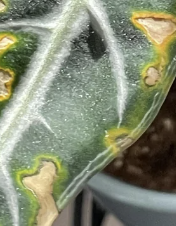
Root Rot: Caused by soggy soil or poor drainage. Use a pot with a drainage hole and avoid overwatering.
Leaf Spot: Often caused by splashing water on leaves. Water at the bottom of the pot to prevent fungal issues.
Toxicity of Alocasia Bambino
Alocasia Bambino is toxic to pets and humans if ingested. Keep it out of reach of children and animals, and wear gloves when handling the plant.
Common Issues affecting Alocasia Bambino
Yellow Leaves: Often a sign of overwatering or low humidity. Adjust watering habits and consider misting.
Wilting: This can happen from either underwatering or overwatering, so check the soil moisture to identify the issue.
Mushy Roots: Mushy roots are usually a symptom of root rot. If caught early, repot the plant in fresh, well-draining soil.
Flowers: While Alocasia Bambino can flower, it’s uncommon indoors. If it does, you can cut the flower off to redirect energy to leaf growth.
Leaf Count: Alocasias often keep a limited number of leaves, and it’s normal for older leaves to die off as new ones grow. Don’t worry if you see one or two leaves yellowing when new growth is happening.
Difficulty Level of Alocasia Bambino
The Alocasia Bambino is quite challenging to care for, as it requires some attention to humidity, watering, and light levels.
However, with proper care, it’s a rewarding plant that will stand out in any indoor plant collection!
Plant Benefits
Alocasia Bambino has plenty of visual appeal. Its dark green leaves create a bold tropical look, while the pale veins make each leaf stand out.
Because Bambino stays relatively compact, it works well indoors. You can place it on a plant stand, side table, shelf, or windowsill. It can also become a focal point in a plant collection.
Alocasias can also encourage you to pay closer attention to your plants. This is useful if you enjoy learning about plant care. You begin to notice changes in leaves, soil, light, and humidity.
However, be careful with claims about plant air purification. Houseplants can affect indoor air under controlled conditions, yet they should not replace ventilation. Fresh air and good ventilation remain more important for indoor air quality.
The biggest benefit of Alocasia Bambino is its beauty. It can bring a strong tropical feel into your home without needing a huge amount of space.
Is Alocasia Bambino Rare?
Alocasia Bambino is not considered extremely rare. However, it may be less common than popular houseplants such as Monstera deliciosa or common Philodendrons.
Availability can also vary between countries and plant shops. You may find it more easily through specialist plant nurseries.
Prices can also vary depending on plant size. A small Alocasia Bambino may be relatively affordable, while larger or established plants can cost more.
Therefore, a high Alocasia Bambino price does not always mean the plant is rare. Availability, plant size, demand, and nursery costs can all affect the price.
If you see a Bambino at a good price, check its condition carefully. Healthy roots and pest-free leaves matter more than size.
Is Alocasia Bambino Toxic?
Alocasia Bambino is toxic if eaten. Alocasias contain calcium oxalate crystals, which can cause pain and irritation if the plant is chewed.
The sap can also irritate the skin and eyes. Therefore, wear gloves when handling the plant if you have sensitive skin.
Keep Bambino away from children and pets. This is especially important if your cat or dog likes chewing plants.
Should You Get an Alocasia Bambino?
If you want a dramatic tropical plant, Alocasia Bambino is a beautiful choice. Its compact size makes it easier to fit into your home, while its striking leaves can transform a plain corner.
However, it is not the best plant for complete neglect. Bambino needs more attention than a Snake Plant or ZZ Plant. It prefers higher humidity and more consistent moisture, and it can react when temperatures or light levels change.
Therefore, it suits plant owners who enjoy a little more hands-on care. If you travel often, you may need someone to look after it. Likewise, it may not be ideal if you regularly forget to water.
However, the extra effort can be worth it. Once you understand what your plant needs, care becomes much easier.
Give it bright indirect light. Keep it warm and humid. Use well-draining soil and keep the soil lightly moist during active growth. Then reduce watering during winter.
With the right conditions, Alocasia Bambino can reward you with beautiful new leaves.
Frequently Asked Questions
Is an Alocasia Bambino hard to care for?
Alocasia Bambino is not the easiest houseplant. However, it is not as difficult as its reputation suggests. The main challenge is keeping its growing conditions stable.
It prefers bright indirect light, warmth, humidity, and moist soil. At the same time, the soil must drain well. Once you understand this balance, Alocasia Bambino plant care becomes much easier.
Do you water Alocasia from the top or bottom?
You can water Alocasia from the top or bottom. However, top watering is usually easier for most plant owners.
Water the soil thoroughly until excess water drains from the pot. Then allow the pot to drain fully. Do not leave the plant sitting in water.
Bottom watering can also work. However, you still need to make sure the soil does not become waterlogged. The main goal is even moisture without soggy soil.
Why are Alocasias so hard to keep alive?
Alocasias can struggle because homes are often cooler and drier than their natural environment. Low humidity can cause brown leaf edges, while low light can slow growth.
Cold temperatures can also cause stress. Overwatering can lead to root rot, while allowing the plant to become very dry can cause drooping.
Therefore, the problem is usually the growing conditions. Once you provide warmth, humidity, good light, and drainage, the plant becomes easier to manage.
How big can an Alocasia Bambino get?
Alocasia Bambino is a compact Alocasia, reaching around 45cm tall and 45cm wide under suitable conditions.
However, the final size can vary. Light, feeding, pot size, age, and growing conditions can all affect growth.
This compact size makes Bambino a good choice for smaller homes. It gives you the tropical look of an Alocasia without needing a huge amount of space.
Do Alocasias like big or small pots?
Alocasias generally prefer a pot that fits their root system. Avoid choosing a pot that is much larger than the current rootball.
A large pot holds more soil, and that soil can stay wet for longer. This increases the risk of root problems.
Choose a pot that is only slightly larger when repotting. We recommend moving up by around 5cm in diameter.
Is Alocasia Bambino rare?
Alocasia Bambino is not extremely rare. However, it may be harder to find than common houseplants.
Availability depends on your local nurseries and specialist plant shops. The Alocasia Bambino price can also vary, with larger plants often costing more than small starter plants.
A higher price does not always mean the plant is rare. Plant size, demand, availability, and nursery costs can all affect the price.
Does Alocasia Bambino like bright light?
Yes. Bright indirect light is ideal for Alocasia Bambino. It can tolerate lower light for a while, but growth will usually be slower.
Strong direct sunlight can scorch the leaves. Therefore, a bright room with filtered light is usually best.
How often should you water Alocasia Bambino?
There is no perfect watering schedule. Instead, check the soil before watering.
During active growth, water when the top few centimetres begin to dry. During winter, reduce watering as growth slows.
The we recommends reducing watering to a minimum during winter dormancy.
Why are my Alocasia Bambino leaves turning yellow?
Yellow leaves can have several causes. Overwatering is one of the most common, while poor drainage can also keep the roots too wet.
However, an older leaf can naturally turn yellow. Look at the whole plant before making changes. Several yellow leaves often suggest a care problem.
Why is my Alocasia Bambino drooping?
Drooping can happen when the plant is thirsty. It can also happen after overwatering.
Check the soil before adding more water. If the soil is wet, inspect the roots for signs of rot. If the soil is dry, give the plant a thorough drink.
Low humidity can also contribute to drooping. Therefore, check the plant’s humidity as well as its soil.
Why are my Alocasia Bambino leaves turning brown?
Brown edges often point towards dry conditions. Low humidity can increase water loss from the leaves, while underwatering can also cause browning.
Strong direct sunlight can cause brown or scorched patches. Check your plant’s light, humidity, and soil before making changes.
Does Alocasia Bambino need humidity?
Yes. Alocasia Bambino prefers medium to high humidity, especially during active growth.
A humidifier can help if your home is very dry. Grouping plants together can also increase local humidity.
However, good airflow is still important. High humidity without airflow can create other problems.
Can Alocasia Bambino go dormant?
Yes. Alocasias can slow down significantly during winter. Some plants may lose leaves during this period.
This can look alarming, but it does not always mean the plant is dying. Reduce watering as growth slows, keep the plant warm, and give it suitable light.
New growth can return when conditions improve in spring.
Does Alocasia Bambino need fertiliser?
Yes, but mainly during active growth. Use a balanced liquid fertiliser during spring and summer and follow the instructions on the product.
Avoid overfeeding. Fertiliser cannot fix problems caused by poor light, root rot, or low humidity. Focus on the basic growing conditions first.
Is Alocasia Bambino good for beginners?
It can be. However, it is better suited to beginners who enjoy regular plant care.
It is less forgiving than a Snake Plant or ZZ Plant. If you can provide warmth, humidity, and consistent care, it can thrive.
If you want a plant that tolerates neglect, choose a tougher species instead.
The Alocasia Bambino is a tropical plant. It demands attention but rewards proper care with its vibrant arrowhead-shaped leaves and bold character.
By providing enough light, maintaining humid environments, and avoiding soggy soil, you can enjoy this plant as a statement piece in your indoor garden. With time, it may even become a beloved member of your plant friends family!
If you are ready to expand your indoor garden, head over to my Houseplant Care Section for more plant care guides.