If you have a small indoor space, the right plants can make a big difference. Small plants add life, colour, and calm without taking up much room.
Because of search behaviour, most people want low-maintenance house plants that fit on a side table or shelf. They want something easy, stylish, and simple to care for.
So in this guide, we will cover the best indoor small plants, their size, and simple care tips. These are great plants for all skill levels, even beginners.
What Are Small Indoor Plants?
Small indoor plants are compact houseplants that don’t need much space to grow. They are ideal for apartments, bedrooms, offices and other rooms where floor space is limited.
Some small houseplants stay compact throughout their lives, while others are simply young plants that will eventually become much larger. This is important to consider before choosing a plant for a small room.
If you have very little space, look for plants with a naturally compact growth habit, slow-growing varieties or plants that can be kept comfortably in a small pot.
Small indoor plants can be placed on desks, shelves, windowsills, bedside tables and bookcases, making it easy to bring greenery into almost any room.
What Makes a Good Small Indoor Plant?
The best plants for small spaces don’t just have small leaves. They should also be able to grow well without taking up too much room. Compact or slow-growing plants are often a great choice because they can sit on a shelf, desk, windowsill, or bedside table without quickly outgrowing their space.
It’s also worth thinking about the conditions in your home. A small plant that needs bright sunlight won’t be a good choice for a dark corner, no matter how compact it is. Look for plants that suit the light, temperature, and humidity in the space where you want to keep them.
Plants with an upright or compact growth habit can also work particularly well in small homes. They add greenery without spreading across furniture or taking up valuable floor space.
Best Small Plants for Different Spaces
One of the easiest ways to choose a small indoor plant is to think about where you want to put it. A plant that works beautifully on a desk might not be the best choice for a bathroom or windowsill.
Small Plants for Desks
Small plants are perfect for adding a little greenery to your workspace without taking up much room. Peperomias, pileas, small succulents, and compact snake plants can all work well on a desk.
Choose a plant with a compact growth habit and place it somewhere where it won’t get knocked over while you’re working.
Small Plants for Shelves
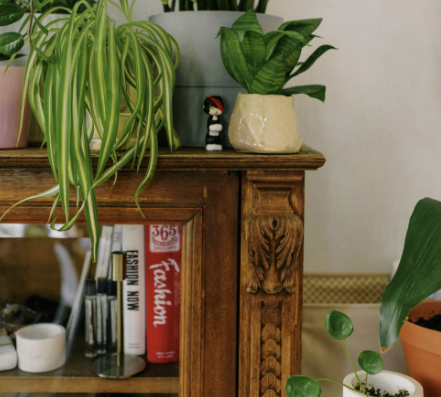
Shelves give you plenty of opportunities to display small houseplants without using floor space. Plants with interesting leaves can look especially good on open shelving.
Try grouping a few plants of different heights together. You can also add a trailing plant to the edge of a shelf to create more interest without needing a larger plant.
Small Plants for Windowsills
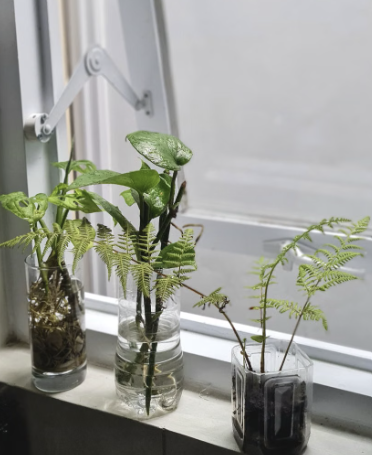
A windowsill can be an excellent home for small plants because it usually provides plenty of natural light. However, direct sunlight through glass can be intense, particularly during summer.
Succulents and other sun-loving plants can work well on bright windowsills, while plants that prefer indirect light should be moved slightly away from the glass.
Small Plants for Bedrooms
Small plants can add a lovely natural touch to a bedroom without making the room feel crowded. Compact foliage plants work particularly well on bedside tables, dressers, or shelves.
Just make sure the plant receives enough natural light. A beautiful plant won’t stay healthy simply because it looks good in the space.
Small Plants for Bathrooms
Bathrooms can be surprisingly good places for small indoor plants, especially if they have a window. The higher humidity can suit plants that enjoy moist air.
However, a dark bathroom without a window may not provide enough natural light for most plants to thrive. In this case, you may need to choose a particularly low-light tolerant plant or use a grow light.
Easy Small Indoor Plants for Beginners
If you’re new to houseplants, choosing a small plant can be a great way to start.
However, don’t assume that every tiny plant is easy to care for. Some small plants have very specific requirements, while others are much more forgiving.
Look for compact plants that tolerate a reasonable range of indoor conditions and don’t need constant watering or high humidity.
Best Small Indoor Plants for Low Light
Not every small space has a bright window nearby. If your home has darker rooms, look for small plants that can tolerate lower light levels.
Snake plants, ZZ plants, Chinese evergreens, and some peperomias can cope with less light than many other houseplants. Keep in mind that low light doesn’t mean no light. Plants still need some light to photosynthesise and grow.
If a plant is becoming stretched, pale, or losing its usual leaf colour, it may be telling you that it needs more light. Moving it closer to a window or adding a grow light can help.
How to Display Small Plants in a Small Space
You don’t need a large home to create an impressive plant collection. In fact, using vertical space can make a small room feel much greener without taking up valuable floor space.
Try placing plants on shelves, windowsills, bookcases, desks, and bedside tables. Hanging planters are another great option because they keep plants off your furniture and floor.
You can also group several small plants together. Combining different leaf shapes, colours, and heights creates a fuller display while allowing you to use several small pots instead of one large plant.
If you’re really short on space, look upwards. Wall shelves and hanging planters can turn an empty wall into a beautiful plant display.
How to Care for Small Indoor Plants
Small indoor plants don’t all have the same care requirements, so always check the needs of the individual plant.
However, there are a few things to keep in mind.
Light
Give your plant the amount of light it needs rather than choosing its location based purely on appearance.
Water
Small pots can dry out faster than larger containers, so check the soil regularly. Don’t water simply because the calendar says it’s time.
Pots
Choose a pot that’s appropriate for the size of the root system and make sure it has drainage holes.
Soil
Use a potting mix suited to the plant. A tropical foliage plant will generally need a different mix from a succulent or cactus.
Repotting
Don’t automatically move a small plant into a much larger pot. A container that’s too large can hold excess moisture around the roots.
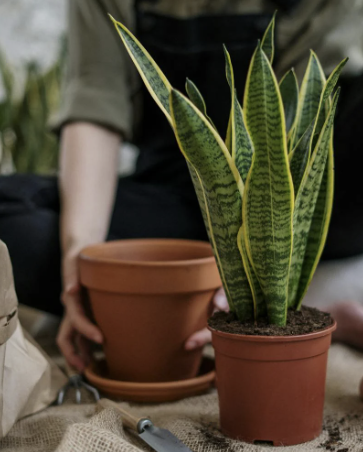
Snake Plant
Size: Small to medium (1–3 ft / 30–90 cm)
The snake plant (mother-in-law’s tongue) is one of the easiest houseplants. It has upright leaves and a compact size.
It grows well in low light conditions and bright light. Water only when the top inch of soil is dry.
This hardy plant is a great choice for small spaces and busy people. There are plenty of types of snake plants to choose from, so you will find the perfect one for you.
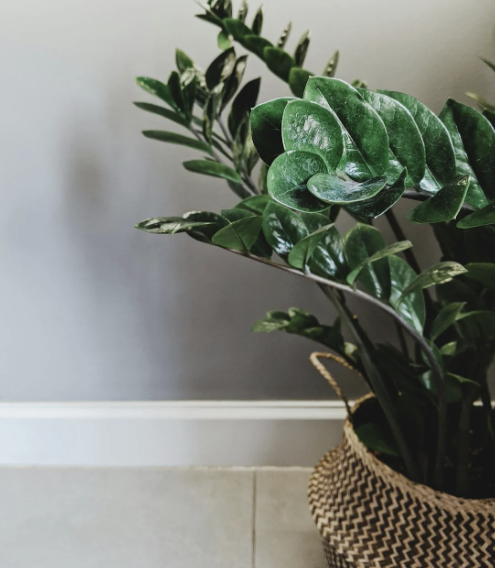
ZZ Plant
Size: Small to medium (1–3 ft / 30–90 cm)
The zz plant has glossy leaves and strong stems. It handles low light and neglect well.
Use well-drained soil and avoid much water. Too much water can cause root rot.
It is one of the best low-maintenance plants for beginners.
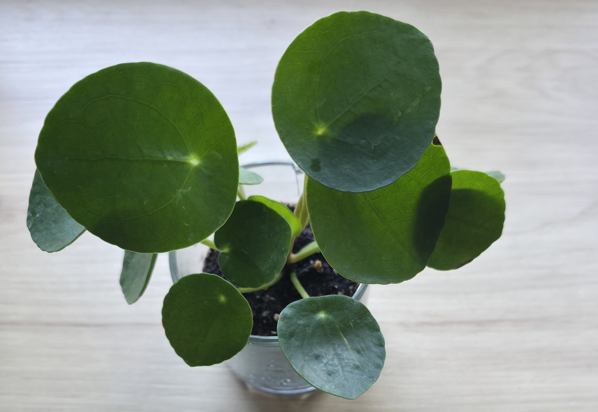
Chinese Money Plant
Size: Small (1–2 ft / 30–60 cm)
The chinese money plant are great small plants with round pale green leaves and a fun shape.
It loves bright indirect light and light watering. Let soil dry slightly between watering.
It is a popular choice for shelves and small tables.
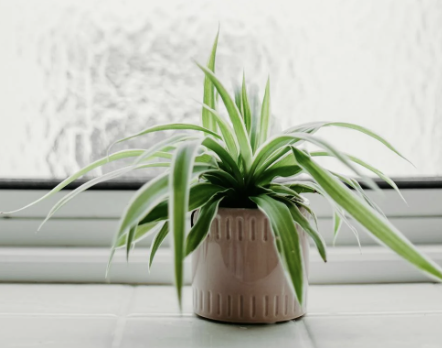
Spider Plants
Size: Small to medium (1–2 ft / 30–60 cm, trailing)
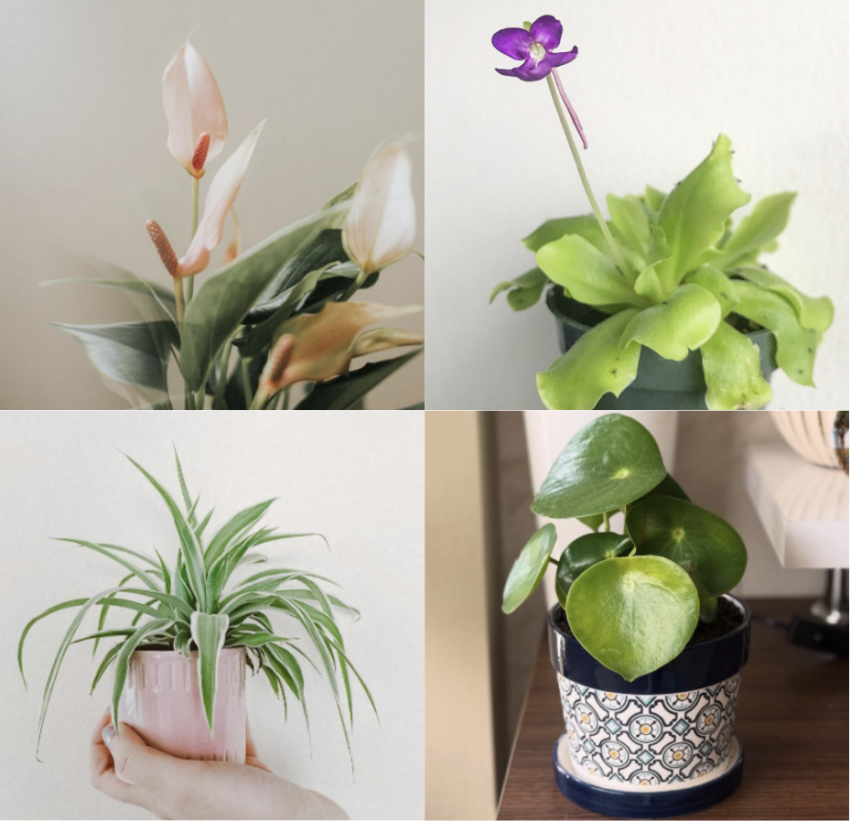
Spider plants are great small plants for beginners. They grow fast and produce baby plants. These look great in a hanging basket.
They prefer bright indirect light and moist soil. Avoid direct sun.
They are great plants for indoor gardening and easy to grow or revive.
Swiss Cheese Plant
Size: Small to medium (2–4 ft / 60–120 cm indoors)
The swiss cheese plant is a tropical plant with split leaves.
It grows best in bright indirect light and medium light. Water when the top inch of soil dries.
It adds a bold look to any indoor space.
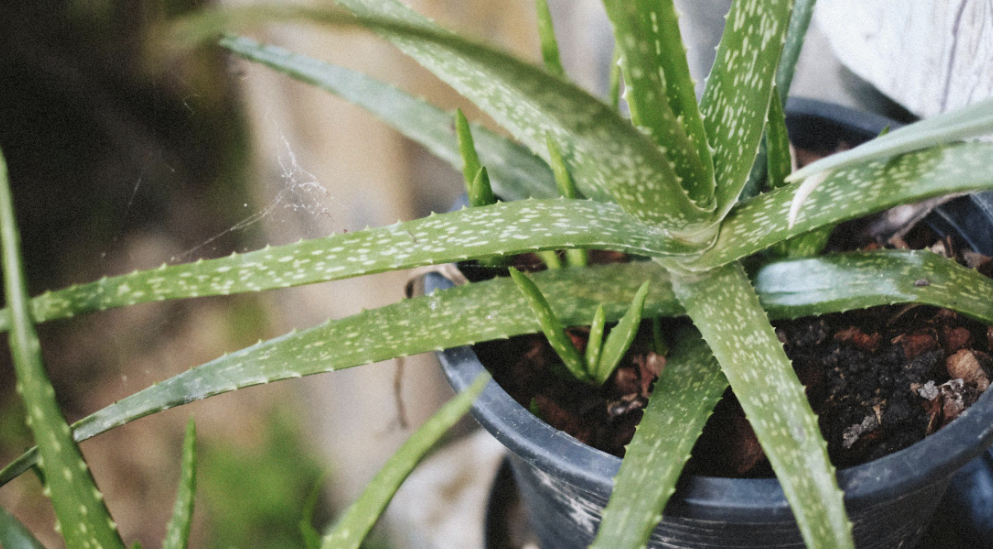
Aloe Vera
Size: Small (1–2 ft / 30–60 cm)
Aloe vera has fleshy leaves that store water. It needs minimal watering.
Place it in sunny spots with good natural light. Use well-drained soil.
It is a perfect plant for dry homes and beginners.
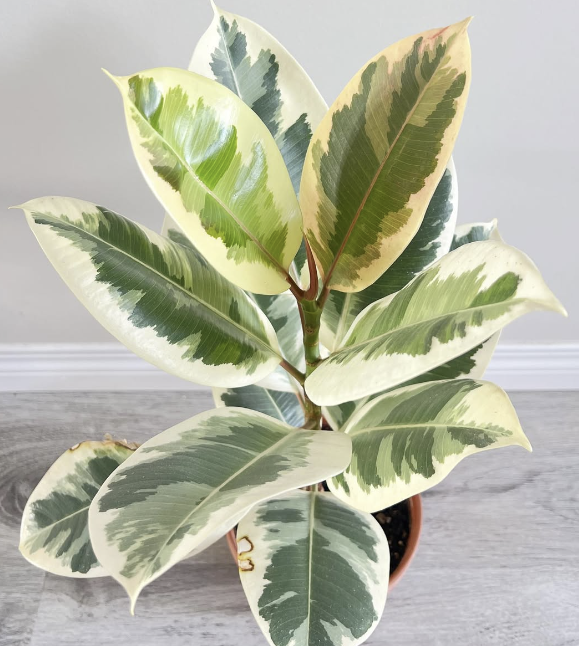
Rubber Plant
Size: Small to medium (2–5 ft / 60–150 cm indoors)
The rubber plant is a stylish plant with dark green leaves.
It prefers bright light but can adapt to medium light. Keep soil slightly moist.
It is a great indoor plant that also acts like a small patio tree.
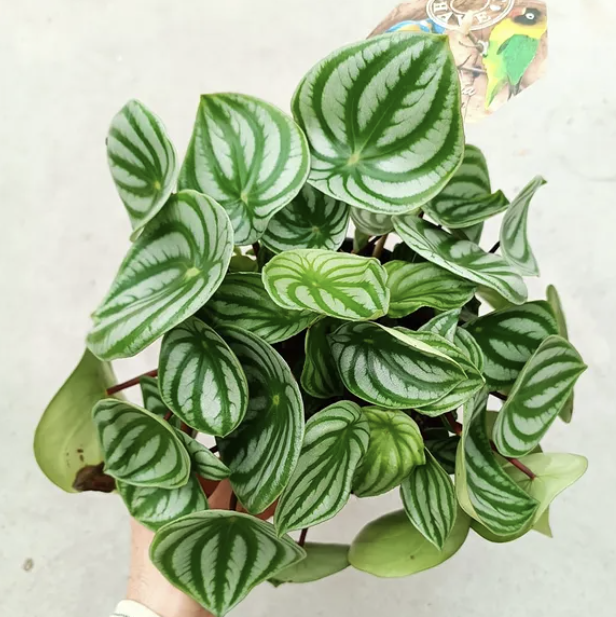
Prayer Plants
Size: Small (1–2 ft / 30–60 cm)
Prayer plants have patterned leaves that move at night.
They need high humidity and bright indirect light. Keep soil moist but not soggy.
They are beautiful but need a bit of care.
Air Plants
Size: Very small (2–12 in / 5–30 cm)
Air plants grow without soil. They are perfect for tiny house plants.
Soak them in water once a week and place in bright light.
They are compact plants and ideal for limited space.
Calathea Freddie
Size: Small (1–2 ft / 30–60 cm)
This tropical small plant has striped leaves and a soft look.
Calathea Freddie needs high humidity and moist soil. Avoid dry air.
It is a stylish plant for humid rooms.
Chinese Evergreen
Size: Small to medium (1–3 ft / 30–90 cm)
The chinese evergreen is known for its glossy leaves.
It grows well in low light conditions and medium light. Water when soil dries slightly.
It is one of the easiest plants for beginners.
Golden Pothos
Size: Small to trailing (up to 6 ft / 180 cm vines)
Golden pothos has trailing vines and waxy leaves.
It grows in various light conditions and needs minimal watering.
It is a perfect choice for shelves or hanging baskets.
Jade Plant
Size: Small (1–3 ft / 30–90 cm)
The jade plant has thick fleshy leaves and a compact size.
It prefers bright light and well-drained soil. Water lightly.
It is a hardy plant and a popular indoor plant, which is great for beginners to grow and propagate.
Dark Mystery Pilea
Size: Small (6–12 in / 15–30 cm)
The dark mystery pilea has deep dark leaves and a unique look.
It likes bright indirect light and light moisture.
It is a stylish plant for modern homes.
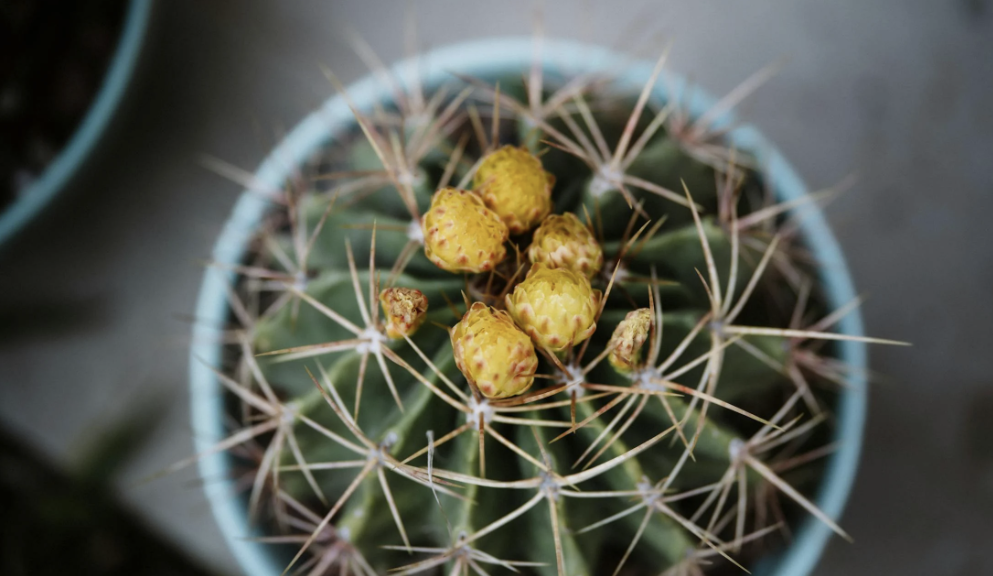
Cactus
Size: Small (2–12 in / 5–30 cm)
Cactus plants are classic desert small plants.
They need direct sun and very little water. Let soil dry fully, or they may start turning brown.
They are among the easiest small plants to care for.
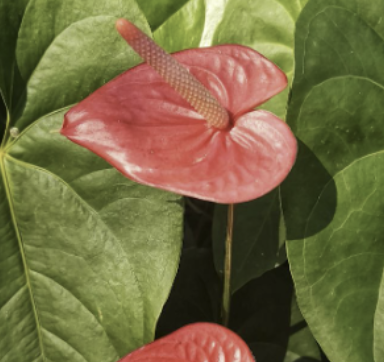
Anthurium
Size: Small to medium (1–2 ft / 30–60 cm)
Anthurium has glossy leaves and bright flowers.
It prefers bright indirect light and moist soil.
It adds colour and works well in indoor spaces.
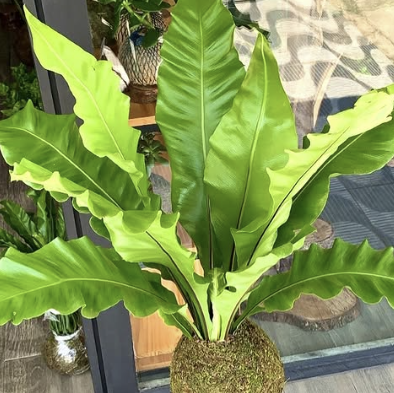
Crispy Wave (Bird’s Nest Fern)
Size: Small (1–2 ft / 30–60 cm)
Crispy wave has curly pale green leaves.
This plant prefers medium light, moist soil, and enjoys humidity.
It is a soft, calming tropical houseplant.
Alocasia (Jewel and Tiny Dancer)
Size: Small (1–2 ft / 30–60 cm)
These compact alocasia types have bold leaves.
They need bright indirect light and high humidity. Keep soil lightly moist.
They are stunning but need the right place. There are plenty of Alocasia types to choose from, so find one that is right for you.
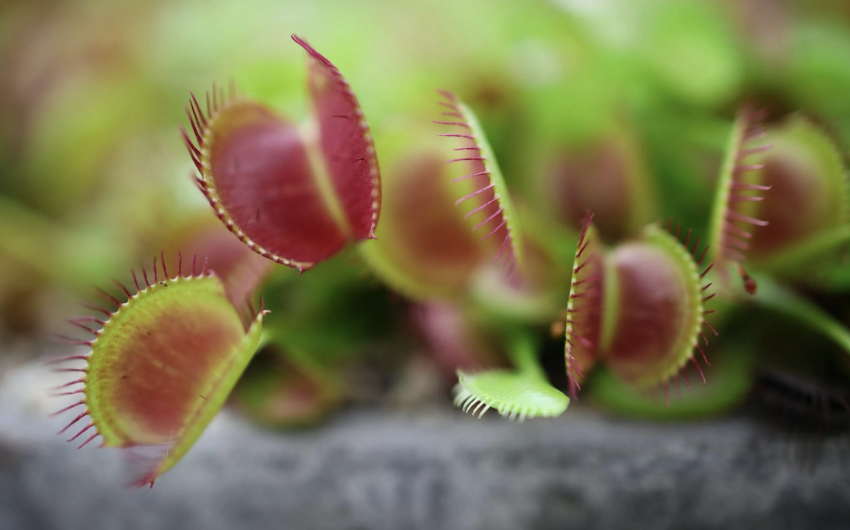
Venus Flytrap
Size: Very small (4–6 in / 10–15 cm)
The Venus flytrap is a carnivorous plant.
These small plants need bright light and distilled water. Keep soil moist.
It is fun but needs specific care.
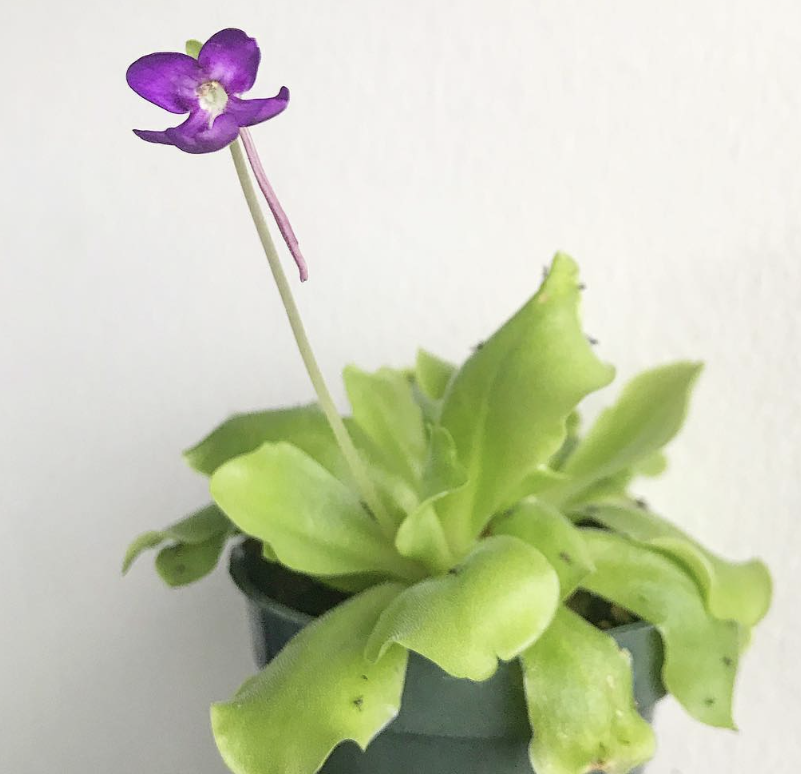
Butterwort
Size: Very small (2–6 in / 5–15 cm)
Butterwort is another carnivorous plant.
It likes bright light and moist soil. Avoid tap water.
It is a unique addition to small indoor houseplants.
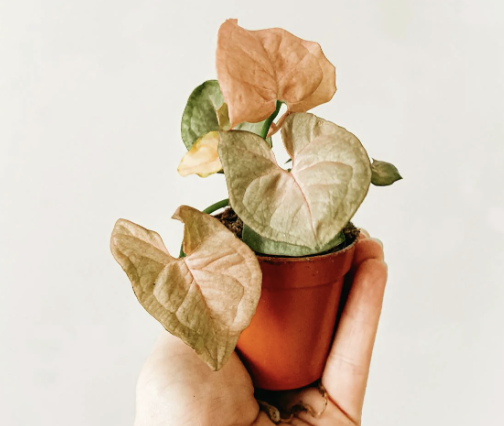
Arrowhead Plant
Size: Small to medium (1–3 ft / 30–90 cm)
The arrowhead is a tropical plant with soft leaves.
It grows well in bright indirect light and medium light. Water when soil dries slightly.
It is a great plant for beginners.
Common Mistakes When Growing Small Indoor Plants
One of the biggest mistakes is assuming that a small plant is automatically easy to care for. Every plant has different needs, so check its preferred light and watering conditions before bringing it home.
Another common mistake is using a pot that is too large. A large amount of wet soil around a small root system can stay damp for a long time, which can lead to root rot.
It’s also easy to overcrowd a small space. While a collection of tiny plants can look beautiful, leaving some room between them allows better airflow and makes it easier to care for each plant.
Finally, don’t forget about light. If your plant is struggling, check its position before assuming it needs more water or fertiliser. Poor lighting is one of the most common reasons indoor plants fail to thrive.
Frequently Asked Questions
What is the best indoor plant for a small space?
The best indoor plant for a small space depends on the conditions in your home. Compact plants such as peperomias, pileas, small succulents, and smaller snake plants can work well because they don’t need much room to grow.
Which indoor plants stay small?
Several houseplants stay relatively compact, including many peperomias, pileas, small succulents, fittonias, and some varieties of peperomia and pilea. Always check the mature size before buying a plant, as some small plants can become much larger over time.
What are the easiest small indoor plants to care for?
If you’re new to houseplants, look for compact plants that can tolerate a little neglect. Small snake plants, ZZ plants, peperomias, and some succulents can be good choices, provided they receive suitable light.
What small plants are good for a desk?
Peperomias, pileas, small succulents, and other compact foliage plants can work well on desks. Choose a plant that won’t spread too much and make sure it still receives enough natural light.
What small indoor plants can tolerate low light?
Snake plants, ZZ plants, and some Chinese evergreen varieties can tolerate lower light better than many other houseplants. However, all plants need some light to grow, so avoid placing them in completely dark rooms.
How do you display plants in a small space?
Use shelves, windowsills, bookcases, desks, and hanging planters to make the most of your available space. Grouping plants at different heights can also create a fuller display without taking up much floor space.
Do small indoor plants need small pots?
Small plants generally do best in appropriately sized pots rather than oversized containers. A pot that is much larger than the root system can hold excess moisture and increase the risk of root rot. Choose a pot with drainage holes and move the plant into a larger container as its roots grow.
Choosing the right indoor plants for small spaces is all about balance. You want compact plants that fit your space and match your light conditions.
Start with low-maintenance houseplants like snake plant, zz plant, or golden pothos. Then add more unique plants as your confidence grows.
With the right care tips and placement, even small indoor houseplants can transform your home.