
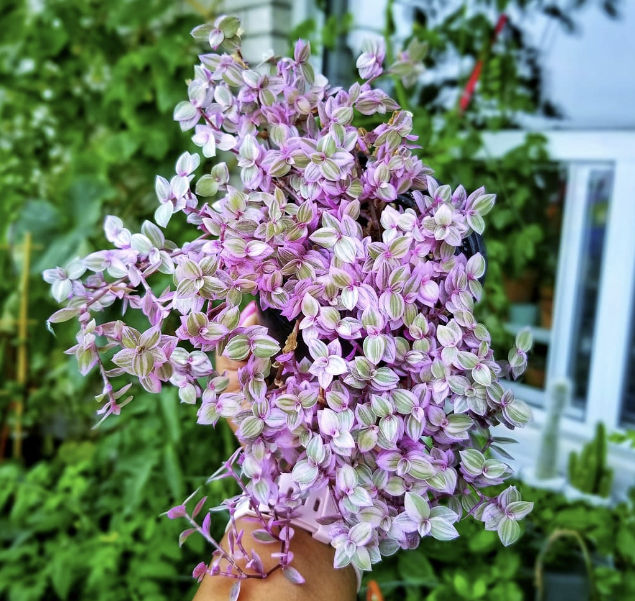
If you want a plant that really stands out, the Pink Panther plant is a lovely choice.
Right away, you’ll notice its vibrant pink leaves mixed with green tones. It’s bright, cheerful, and adds a real pop of color to any living space.
Even better, this low-maintenance plant is easy to grow. So, whether you are new to indoor plants or already a plant lover, it’s a great option.
In this guide, we’ll take a closer look at everything you need to know. From light and watering to common problems and simple fixes, you’ll learn how to grow a happy, healthy Callisia Pink Panther.
What Is a Pink Panther Plant?
The Pink Panther plant, also known as Callisia repens or tradescantia callisia, is a small trailing plant with a soft, spreading growth habit.
You may also hear it called Pink Lady Turtle Vine, Turtle Vines, or Pink Lady Plants.
This stunning plant comes from South America, where it grows in warm, slightly shaded areas.
It has small waxy leaves in shades of green, pink, and purple. During the growing season, it may even produce small white flowers, although the leaves are the main attraction.
Because of its trailing shape, it looks beautiful in a hanging basket or placed on a shelf where it can spill over the edges.
Why It’s a Popular Choice
There’s a good reason this plant is loved by indoor plant enthusiasts.
First, it brings a bright pop of color into your home. Those pink tones really stand out against other indoor plants.
Also, it stays compact. So, it works well in smaller spaces.
And finally, it’s an easy care plant. With the right conditions, it grows quickly and produces lots of new growth.
Size and How Fast It Grows
The Pink Panther plant is a small but fast-growing trailing plant.
When happy, it grows quickly and spreads out with soft, trailing stems. Over time, these can reach around 15–30 cm long.
This makes it perfect for small pots, shelves, or hanging displays.
During the growing season, you will notice steady new growth. The plant can fill out nicely in just a few months.
However, if growth slows down, it usually means it needs more light.
With the right care, it will stay compact, full, and beautifully pink.
If you’re short on space, Pink Panther is a lovely choice. You can also find more ideas in my guide to the best indoor small plants for small spaces.
Care
Light Requirements
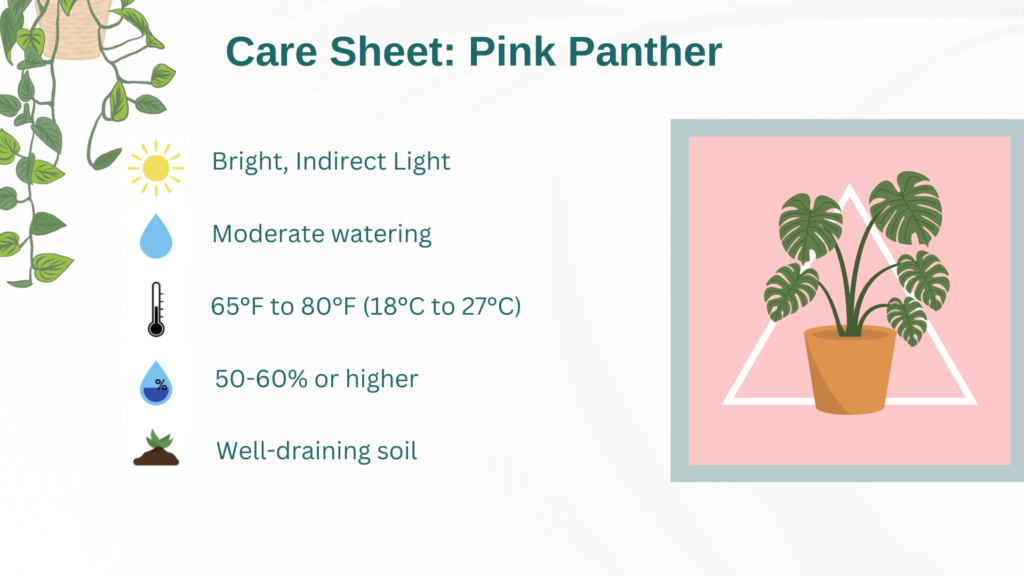
For optimal growth, place your pink panther plant in bright indirect light.
An east-facing window is a great spot. It gives gentle morning light without burning the delicate leaves.
If the plant does not get enough light, the pink colour may fade. In that case, move it to a brighter spot.
However, avoid strong direct sun. Too much light can cause brown spots on the leaves.
Pink Panther is not the only houseplant that enjoys bright, indirect light. My Watermelon Peperomia care guide covers another colourful foliage plant.
Watering Schedule
Getting your watering schedule right is key.
Check the top inch of soil before watering. If it feels dry, go ahead and water.
You want moist soil, not soggy soil. Too much water can lead to root rot, which is a common problem.
During the warmer months, water about once a week. In the winter months or dormant season, you can water less often.
Also, always use a pot with a drainage hole. This helps prevent excess water from sitting at the bottom.
Temperature
This plant prefers steady room temperatures between 65°F and 80°F.
It does not like cold weather or sudden changes. So, keep it away from drafts, open windows, or vents.
Stable conditions will help your plant stay healthy and avoid stress.
Humidity
The Pink Panther plant loves high humidity levels.
If your home is dry, try using a pebble tray or a small humidifier. This is a good idea, especially during winter.
Grouping plants together can also help raise humidity levels naturally.
Just be careful not to over-mist, as too much moisture can lead to pest infestations like spider mites.
Soil Requirements
The right soil makes a big difference.
Use a light potting mix with good drainage. A mix of peat moss, perlite, and a bit of organic matter works well.
The goal is well-draining soil that still holds a little moisture.
Good drainage helps protect the plant’s roots and prevents root rot.
Fertilizer
Feed your plant during the growing season, from spring to late spring and summer.
Use a balanced liquid fertilizer at half strength once a month.
This supports healthy growth and keeps the foliage bright.
During the dormant season, you can stop feeding.
Seasonal Care
As the seasons change, your Pink Panther plant will need slightly different care. So, it helps to adjust as you go.
In spring and summer, the plant is in its growing season. This is when you will see the most new growth and colour.
During this time water a little more often, keep it in bright, indirect light. If feeding, do it lightly every few weeks. Because the plant is actively growing, it will use more water and energy.
Then, as you move into autumn and winter, things start to slow down.
This is a resting period. So, you should water less often, stop feeding, and keep it in a bright spot.
Also, try to keep it away from cold drafts and heaters. Sudden changes can stress the plant.
By following the seasons, you will keep your plant healthy and balanced all year, and minimise stress.
Potting
Choose a small pot with proper drainage. A nursery pot with holes works well.
The root system is shallow, so you don’t need a deep pot.
Repot every 1–2 years to refresh the soil and support new growth.
Spring is the best time to repot.
Pruning
Pruning helps keep your plant full and tidy.
Use clean shears to trim long stems or remove dead leaves.
You can also pinch the top of the plant to encourage bushier growth.
Regular pruning helps create a fuller, healthier plant.
Propagation
One of the best things about this plant is how easy it is to grow more.
Take small stem cuttings, about 2–3 inches long.
Remove the lower leaves, then place the cutting in water or moist soil.
Keep it in bright indirect light, and roots will form quickly.
Before long, you’ll have new baby plants to add to your collection.
For a more detailed step-by-step guide, see my complete guide on how to propagate Callisia repens.
Do Pink Panther Plants Bloom?
Yes, they can bloom, but the flowers are not the main feature.
The plant produces very small, soft purple or pink flowers. They are quite delicate and easy to miss.
Most people grow this plant for its colourful leaves, not the blooms.
How to Encourage Blooming
If you would like to see flowers, there are a few simple things you can do.
First, make sure your plant gets plenty of bright, indirect light. This helps support blooming.
Next, keep your watering routine steady. Avoid letting the plant dry out too much or stay too wet.
Also, feeding lightly during the growing season can help.
Even with good care, blooming can be a bit unpredictable. So, do not worry if you do not see flowers right away.
When they do appear, blooms usually last for a few weeks.
In the end, the real beauty of this plant is still its soft pink leaves.
Pests and Common Issues
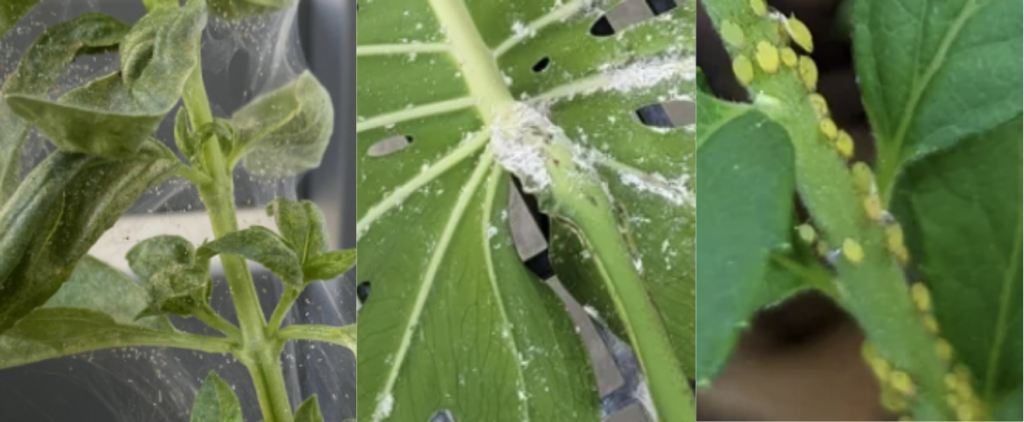
Spider Mites: Look for tiny webs on the leaves. Treat by rinsing the plant with water or applying insecticidal soap.
Mealybugs: Identify white, cottony spots and remove them with a cotton swab dipped in alcohol.
Aphids: Spray with water or use an insecticidal soap solution.
Pro Tip: Keeping your plant’s leaves clean and well-ventilated can help prevent pest issues.
Common Problems
Root Rot: Ensure the plant is not sitting in water and always use well-draining soil.
Brown Tips: Increase humidity or reduce fertilizer to resolve this issue.
Fading Colour: Move the plant to a brighter spot with indirect sunlight to restore its color.
Wilting: This can mean not enough water or cold conditions.
Diseases
Pink Panther plants are generally hardy but can sometimes suffer from root rot and leaf spot.
Root Rot: Often caused by overwatering. If you see yellowing leaves and mushy roots, remove the plant, trim away the rotted roots, and repot in fresh, well-draining soil.
Leaf Spot: This is caused by fungi and appears as small brown spots on the leaves. Remove affected leaves and avoid getting water on the leaves when watering.
Is It Toxic?
The Pink Panther plant is non-toxic to pets and humans, making it a safe choice for households with curious cats, dogs, or children!
Difficulty Level
The Pink Panther plant is generally easy to care for, making it a great choice for beginners or anyone looking to add a pop of color to their home.
Commonly Asked Questions
How do you take care of a Pink Panther Plant?
Give it bright indirect light, keep the soil lightly moist, and use well-draining soil. Avoid too much water and keep humidity levels steady.
Is Pink Panther a perennial?
Yes, it is a perennial plant in warm climates. Indoors, it grows year-round with proper care.
Does Pink Panther Plant like full sun?
No, it prefers indirect sunlight. Too much direct sun can damage the delicate leaves.
Is the Pink Panther Plant rare?
It is not very rare, but it can sometimes be a limited plant depending on the season and supply.
How do you prune a Pink Panther plant?
Use clean shears to trim long stems and remove dead leaves. This helps the plant stay full and healthy.
What is the holy grail of houseplants?
This can vary, but many plant lovers consider rare variegated plants the “holy grail.” The Pink Panther is loved more for its colour and ease.
What are the Pink Panther plant benefits?
It adds a pop of color, improves your living space, and is easy to care for. It’s also great for small areas.
Is Pink Panther plant toxic to cats?
It is generally considered non-toxic, but it’s always best to keep plants out of reach of pets.
Why is my Pink Panther plant dying?
The most likely causes are too much water, low light, or poor drainage. Check soil moisture and move it to a brighter spot if needed.
The Pink Panther plant is a fun and colourful addition to any plant collection.
With its soft trailing growth and vibrant foliage, it can quickly brighten up your home.
The best part is how easy it is to care for. Just give it bright light, a simple watering routine, and the right conditions.
Follow these care tips, and your plant will reward you with healthy growth and beautiful colour for years to come.