
The Snake plant is one of the easiest indoor plants to grow. They are also called mother-in-law’s tongue. Their sword-like leaves and low maintenance needs make them very popular.
The right soil is key to healthy plants. Wrong soil can hold too much water. This often leads to root rot and yellow leaf problems.
This guide explains the best soil for your snake plant care. It also covers beginner and advanced soil options.
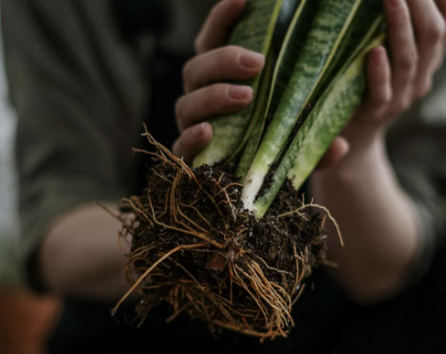
Plant Overview & Why Soil Matters
Snake plants are also known as Sansevieria trifasciata or Dracaena trifasciata. They are hardy plants with thick, strong leaves. These leaves help store water.
In nature, these plants grow in dry regions like Sri Lanka. The soil there drains fast and stays loose. This helps the root system stay healthy.
The roots do not like excess moisture. Too much water blocks air and causes rot. The right soil creates air pockets and supports optimal growth. There are many types, including Moonshine with silvery leaves and Night Owl with compact, dark green growth.
Good to Know About Snake Plants
These plants are popular houseplants for plant parents. They are known for improving air quality. They also tolerate low light conditions.
A large plant can live for many years. With good soil and right care, you will see steady new growth. Healthy green leaves are a sign of success.
Planting Snake Plants in Pots
Planting snake plants in pots is the old fashioned way. It gives you control over water and soil. This is ideal for indoor plants.
When bringing a new plant to a new home, soil matters even more. Fresh soil helps roots adjust and grow.
Types of Pots for Snake Plants
Pot choice affects drainage and moisture. A terracotta pot is a great option. It allows water to dry faster.
A plastic pot holds moisture longer. This can be risky if you water your plant too often. Always use good drainage holes.
Pot Size for Snake Plants
Pot size should match the root ball of the plant. A pot that is too large holds excess water. This can harm healthy roots.
Move to a larger pot only when roots fill the current pot. A new container should be only slightly bigger than the original pot.
Drainage Requirements
Good drainage holes are essential. Water should flow freely from the bottom of the pot.
You can add small sponge rock or coarse sand at the base of the pot. This helps prevent poor drainage and soggy soil. Drooping leaves are a common issue caused by poor soil or excess water, which I explain in my guide on Why is My Snake Plant Drooping?
Best Soil for Snake Plant
The best soil mix for snake plant drains well and stays airy. It should never feel heavy or muddy.
Garden soil and indoor potting soil alone are not good choices. They hold much moisture and cause root rot.
Factors to Consider When Choosing Soil
Good soil must drain fast. It must also allow air to reach snake plant’s roots. Adequate aeration keeps roots strong.
Soil should not compact over time. Air pockets help prevent fungus gnats and excess moisture.
Ideal Soil Characteristics
The best soil mix feels loose and gritty. It dries between watering. It supports healthy roots and steady growth.
A free draining mix is best for this succulent plant. Snake plants prefer dry soil over wet soil.
pH Requirements
These plants prefer neutral to slightly acidic soil. Extreme pH levels stress roots and slow growth.
Simple soil with balanced nutrients works best.
Nutrient Balance
These plants need essential nutrients, but not much. Too much organic matter can cause problems.
A small amount of organic material supports growth. Premium ingredients help without overfeeding.
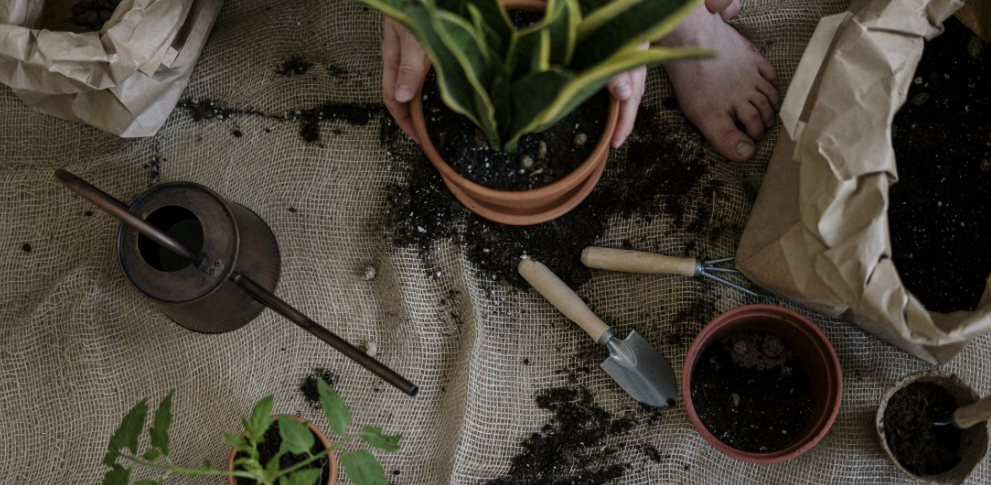
Recommended Soil Mix for Snake Plants
A succulent soil mix or cactus soil works very well. These mixes are made for plants that store water.
Many highest quality commercial mixes are available. Look for labels that say well-draining soil mix.
Key Ingredients in Good Snake Plant Soil
Coarse sand improves drainage and structure. It keeps soil from compacting.
Peat moss or coconut coir helps with light water retention. Coco coir and coconut husk are gentle and sustainable options.
Small sponge rock, perlite, or pumice add air pockets. Monterey pine bark adds structure and airflow.
DIY Snake Plant Soil Mixes (With Ratios)
Making your own potting soil mix gives you control. Use any scoop or cup to measure parts.
Beginner DIY Soil Mix (Simple & Safe)
This mix is great for new snake plants. It lowers the risk of root rot.
Beginner ratio:
- 2 parts succulent mix or cactus soil
- 1 part coarse sand or perlite
This mix drains well and supports healthy roots. It works well in terracotta pots.
Experienced DIY Soil Mix (Chunky & Airy)
This mix is for plant enthusiasts. It supports larger plants and fast drainage.
Experienced ratio:
- 2 parts succulent soil mix
- 1 part coconut coir or peat moss
- 1 part small sponge rock or pine bark
This mix creates air pockets and reduces excess moisture.
About Indoor Potting Soil
Indoor potting soil alone is not ideal. It holds too much water for snake’s.
If used, always mix it with drainage materials. Wrong soil leads to poor drainage and root damage.
Signs of Wrong Soil for your Snake Plant
Root rot is the most common issue. Roots turn soft and dark.
Leaves may turn yellow or fall over. Growth may slow or stop.
Fungus gnats often appear in wet soil. These are signs of excess moisture.
How to Plant a Snake Plant in a Pot
Planting correctly helps roots settle fast. This gives your plant a strong start.
Step-by-Step Planting Instructions
Choose a new pot with drainage holes. Add soil to the bottom of the pot.
Place the root ball gently inside. Keep the base of the plant above soil.
Fill with fresh soil around roots. Do not pack the soil tightly.
Repotting & Propagation
Snake plants are easy to repot and propagate. Propagation allows you to grow new plants from one healthy plant. This is a great way to share plants or fill new pots.
Fresh soil helps young roots grow strong. Good drainage is especially important during propagation.
Best Time to Repot Snake Plants
The best time is early spring. This is the start of the growing season.
Avoid repotting in winter. Growth slows during this time.
How to Divide Snake Plants
New snake plants grow from the base of the plant. These are offsets.
Use a sharp knife to separate them. Make clean cuts through the root system.
Let cuts dry before planting. This protects healthy roots.
How to Care for Snake Plants After Planting
Snake plant care is simple. It is considered one of the easiest plants to grow.
Watering Tips
Water snake plant only when soil is dry. These succulent plants do not need much water.
Excess water causes excess moisture and rot. Always water less, not more.
Light & Temperature Needs
Snake plants grow well in indirect light. They also tolerate low light conditions.
Bright indirect sunlight supports faster growth. Avoid harsh direct sun.
Fertilizing (If Needed)
Feed lightly during the growing season. Use a diluted fertilizer.
Too much fertilizer harms roots and leaves.
Tips for Long-Term Soil Health
Replace old soil every few years. Old soil loses drainage ability.
Check drainage holes often. Clear blockages if needed.
Good soil and right care create happy snake plants.
Frequently Asked Questions
What is the best soil mix for snake plants?
The best soil mix drains fast and stays loose. A succulent soil mix works well. It prevents excess moisture and supports healthy roots.
Can I use cactus soil for snake plant?
Yes, cactus soil is a good choice. It drains well and suits these plants. For best results, add perlite or coarse sand.
Can I use orchid soil for snake plant?
Orchid soil should not be used alone. It is very chunky and dries too fast. Mix small amounts with cactus or succulent soil.
What is the best soil for snake plant repotting?
Fresh, well-draining soil is best for repotting. Old soil often holds too much water. Use succulent or cactus soil with added drainage.
Can you put snake plant cuttings directly in soil?
Yes, you can plant cuttings directly in soil. Let the cutting dry first. Use dry, well-draining soil and water lightly.
How wet should snake plant soil be?
The plant soil should dry between watering. It should never feel wet. Too much moisture causes root rot.
How do you get rid of mold in snake plant soil?
Let the soil dry out fully. Improve airflow and reduce watering. Replace the soil if mold keeps returning.
How do you make snake plant soil more acidic?
These plants prefer neutral to slightly acidic soil. Most mixes are fine already. Add a small amount of peat moss or coco coir if needed.
The best soil for snake plant drains well and stays airy. It supports healthy roots and strong leaves.
Use a well-draining soil mix, proper pot size, and indirect light. With the right soil, your plants thrive for years.