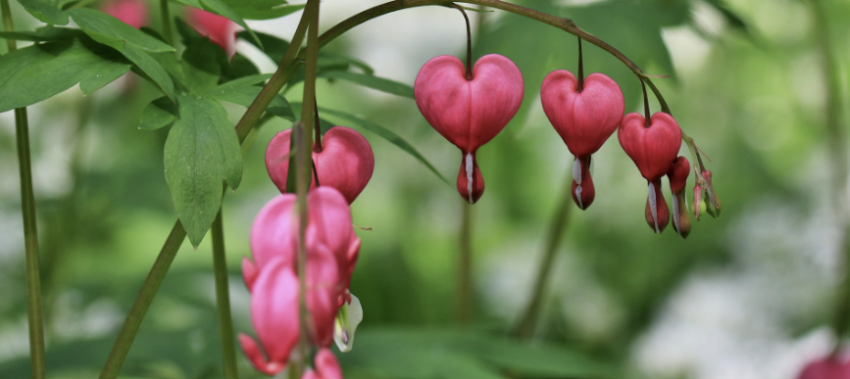
The bleeding heart plant is a beautiful choice for shady gardens. With its delicate, heart-shaped flowers and graceful foliage, it brings colour and texture to areas where many flowering plants struggle to grow.
Although the flowers look delicate, bleeding hearts are actually hardy perennials that can return every year with the right care. They prefer cool conditions, moist soil, and protection from strong sunlight.
If you are looking for a low-maintenance plant that adds a woodland feel to your garden, this plant is a wonderful choice. In this guide, you will learn everything you need to know about bleeding heart plant care, including light, watering, soil, pruning, propagation, and common problems.
What Is A Bleeding Heart Plant?
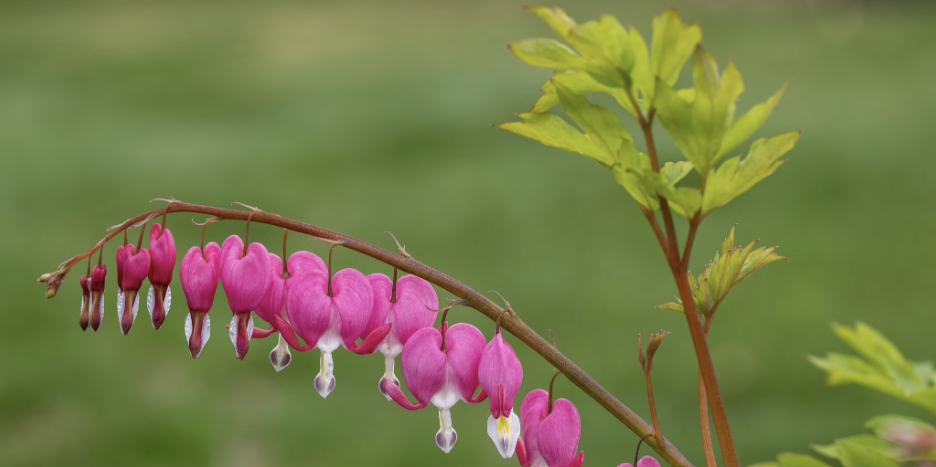
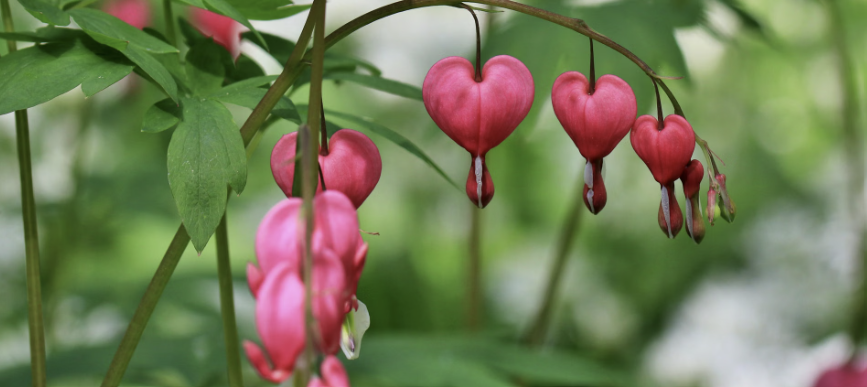
The bleeding heart plant (Lamprocapnos spectabilis) is a herbaceous perennial known for its delicate, heart-shaped flowers. The flowers hang from arching stems and usually appear in early spring, adding colour to shady areas of the garden.
Native to eastern Asia, this plant naturally grow in woodland environments. Because of this, they prefer cool conditions, moist soil, and partial shade. They are popular in woodland gardens and cottage gardens because they are easy to grow and return every year.
Types Of Bleeding Heart Plants
There are several types of bleeding heart plants, but the common one (Lamprocapnos spectabilis) is the variety most gardeners recognise. It produces pink and white heart-shaped flowers and grows well in shady borders.
Other popular varieties include white bleeding hearts, Dicentra eximia, and Dicentra formosa. These types often have smaller flowers but can have a longer flowering period and are excellent choices for woodland-style gardens.
Is Bleeding Heart Care Similar To Other Plants?
Bleeding heart plant care is similar to many other woodland plants. If you already grow ferns, hostas, astilbes, or hellebores, you will find that this plant enjoy many of the same conditions.
They prefer areas with gentle light, rich soil, and regular moisture. However, unlike many houseplants, bleeding hearts naturally die back after flowering and return again the following spring.
Light Requirements
Bleeding hearts grow best in partial shade. In their natural habitat, they grow on the forest floor beneath trees, where they receive filtered sunlight throughout the day.
A location with morning sun and afternoon shade is usually ideal. The gentle morning light helps encourage healthy growth, while afternoon shade protects the plant from hot temperatures.
Although they can tolerate some sunlight in cooler climates, full sun can cause stress. Too much direct sunlight may cause the leaves to turn yellow and the plant to go dormant earlier.
If you live in a warmer climate, growing your bleeding heart in full shade or a shady spot will usually give the best results.
Water Requirements
Bleeding hearts prefer consistently moist soil, especially during the growing season. These plants naturally grow in woodland areas where the ground stays slightly damp.
However, they do not like wet soil. Poor drainage can lead to root rot and damage the underground rhizomes. The aim is to keep the soil moist without allowing water to sit around the roots.
Water your plant when the top layer of soil begins to dry. Newly planted bleeding hearts need regular watering during their first season while they develop strong roots.
Adding a layer of mulch around the plant can help maintain soil moisture and keep the roots cool during warmer months.
Temperature Requirements
Bleeding hearts prefer cool temperatures and grow best in temperate climates. They enjoy mild spring weather but can struggle during long periods of summer heat.
During late summer, it is common for the foliage to turn yellow and disappear. This is a natural part of the plant’s life cycle and does not mean the plant has died.
The underground rhizomes remain alive beneath the soil and will produce new growth the following spring.
Humidity Requirements
These plants enjoy moist conditions because they naturally grow in woodland environments. They prefer areas where the air is not too dry.
However, good air circulation is important. Crowded plants or areas with poor airflow can increase the risk of fungal diseases such as powdery mildew.
Planting your bleeding heart with enough space around it will help keep the foliage healthy.
Soil Requirements
The best soil for a bleeding heart plant is rich, moist, and well-drained. These plants naturally grow in woodland soil that contains plenty of organic matter from fallen leaves.
Adding compost or leaf mold before planting can improve the soil and provide nutrients throughout the growing season.
These plants prefer slightly acidic soil, but they are adaptable and can grow in many garden soils as long as drainage is good.
Avoid planting them in areas where water collects. Although they enjoy moisture, constantly wet soil can cause root problems.
Fertiliser Requirements
Bleeding hearts do not require heavy feeding. In fact, too much fertiliser can encourage leaf growth rather than flowers.
For the best results, add a thin layer of compost around the base of the plant in early spring when new growth appears.
A slow-release fertilizer can also be used if your soil is lacking nutrients. However, healthy soil with plenty of organic matter is usually enough to support strong growth.
Repotting Bleeding Hearts
Bleeding hearts can grow well in pots when planted in a large container with good drainage. This makes them a good option for patios, balconies, or smaller gardens.
Choose a container with drainage holes and fill it with rich, well-draining soil. The plant should sit at the same soil level as it was growing before.
The best time to repot is in early spring before new growth begins. Mature plants can also be divided during repotting to create new plants.
Pruning Bleeding Hearts
Bleeding hearts do not need much pruning. Most of the time, simple maintenance is enough to keep them looking healthy.
You can remove faded flowers to keep the plant looking tidy. However, avoid cutting back green leaves because they help the plant store energy for the following spring.
Once the foliage naturally dies back in late summer, it can be cut back to the soil surface.
Propagation
The easiest way to propagate bleeding hearts is through division. Mature plants can be separated to create new plants.
The best time to divide a the plant is early spring or late fall. Carefully lift the root ball and separate healthy root clumps.
Each section should have healthy roots and new growth points. Replant them in a new location with rich soil and keep them well watered while they establish.
Seasonal Care
During early spring, bleeding hearts begin producing new growth. This is the best time to add compost and check that the soil stays moist.
During late spring and early summer, the plant produces its beautiful flowers. Regular watering during this period helps support healthy growth.
By late summer, the plant may begin to die back naturally. This is normal and allows the plant to store energy underground before winter.
In late fall, remove dead foliage and add a light layer of mulch to protect the roots from cold temperatures.
Plant Benefits
Bleeding hearts are a beautiful way to add colour to shady areas of your garden. Their heart-shaped flowers create a soft woodland appearance that works well in natural planting schemes.
They are also low-maintenance perennial plants that return every year. Once established, they can become a reliable feature in woodland gardens and cottage gardens.
Their graceful foliage also adds texture before the plant enters dormancy during warmer months.
Common Problems And Troubleshooting
Although bleeding hearts are generally easy to grow, they can experience a few common garden problems.
Yellow leaves are often caused by natural dormancy, too much sunlight, or incorrect watering. If the foliage disappears after flowering, this is usually part of the plant’s normal cycle.
A lack of flowers can happen when the plant does not receive enough light, is too young, or is growing in poor soil.
If your plant is wilting, check the soil moisture first. Dry soil, hot temperatures, or damaged roots can all cause stress.
Pests
Bleeding hearts are usually resistant to most pests. However, slugs and snails may occasionally feed on the leaves, especially in damp gardens.
Aphids can also appear on new growth. These small insects can usually be removed with water or treated with a gentle pest control method.
Diseases
The most common diseases affecting bleeding hearts are linked to poor growing conditions.
Root rot can occur when the soil remains too wet for long periods. Improving drainage and avoiding overwatering can help prevent this problem.
Powdery mildew may appear when plants have poor air circulation. Giving your plant enough space and avoiding wet foliage can reduce the risk.
Is A Bleeding Heart Plant Pet Friendly?
Bleeding heart plants are not considered pet friendly. They contain isoquinoline alkaloids, which can cause problems if eaten.
Pets that chew on parts of the plant may experience stomach upset or skin irritation. It is best to keep curious pets away from the plant.
What Looks Good With A Bleeding Heart Plant?
Bleeding hearts pair beautifully with other shade-loving plants. Ferns, hostas, astilbes, and hellebores all grow well alongside them.
Combining plants with different leaf shapes creates a more interesting garden display. The delicate flowers look especially beautiful next to plants with larger leaves.
Frequently Asked Questions
Should you cut back a bleeding heart?
You should cut back a bleeding heart once the foliage has naturally turned yellow and died back. This usually happens in late summer. Cutting the leaves too early can reduce the plant’s energy for the following year.
Do bleeding hearts come back every year?
Yes, they are hardy perennial plants that return every year. Their underground rhizomes survive through winter and produce new growth in early spring.
Can bleeding hearts grow in pots?
Yes, they can grow in pots. Choose a large container with drainage holes and use rich, well-draining soil. Keep the soil moist and protect the pot from extreme heat.
Do bleeding heart plants like sun or shade?
Bleeding hearts prefer partial shade. They usually grow best with morning sun and afternoon shade. In warmer climates, they may perform better in full shade.
What is the lifespan of a bleeding heart plant?
A healthy plant can live for many years. Good soil, regular moisture, and the right growing conditions will help it remain healthy.
How many bleeding hearts should I plant together?
Bleeding hearts look beautiful when planted in groups. Leave enough space between plants for good air circulation and healthy growth.
Will bleeding hearts survive a freeze?
Yes, they are hardy perennials and can survive freezing temperatures. The underground rhizomes protect the plant during winter.
What looks good with a bleeding heart plant?
Bleeding hearts look great with woodland plants such as ferns, hostas, astilbes, and hellebores. These combinations create a natural woodland garden feel.