
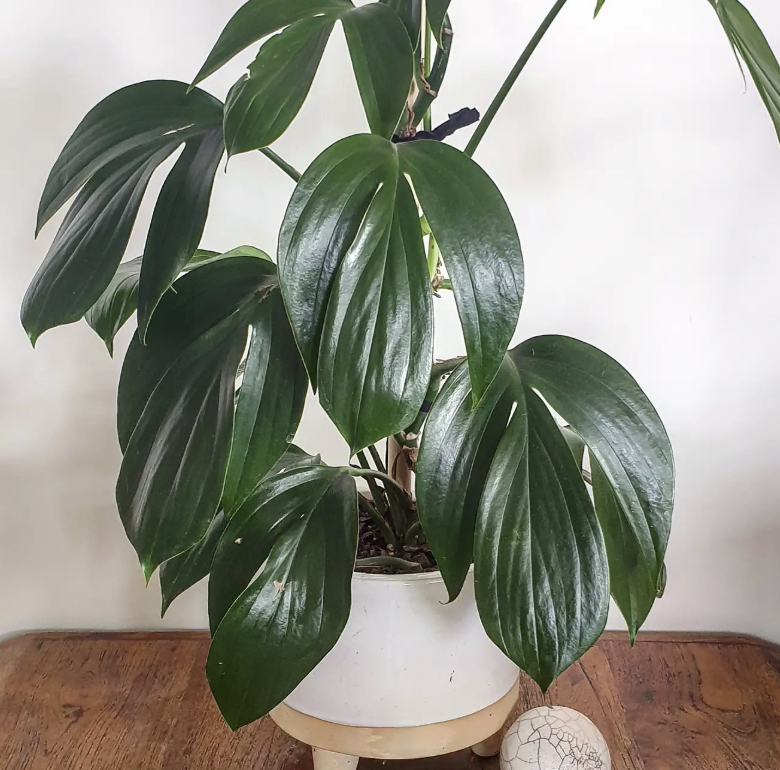
If you want a plant that looks bold but feels easy to care for, the dragon tail plant is a great choice.
With its glossy leaves and climbing habit, it brings a tropical feel into any indoor space. Even better, it is a low-maintenance plant once you understand the basics.
So, if you are a plant lover looking for something eye-catching, you are in the right place.
Let’s walk through everything you need to know about dragon tail plant care.
The dragon tail plant, often known as epipremnum pinnatum, is a tropical climbing plant.
It comes from warm regions like Southeast Asia and places such as French Polynesia. In its natural habitat, it climbs up trees using aerial roots.
As it grows, the leaves change shape. Young leaves are simple, but mature leaves can become large and split.
This is part of what makes it such a popular choice for indoor plants.
How to Identify a Dragon Tail Plant
Identifying a dragon tail plant is easy once you know what to look for.
In its juvenile form, the plant has smaller, heart-shaped leaves. As it matures, the leaves grow larger and take on a more arrow-shaped or split form, showcasing a glossy finish.
The plant’s aerial roots help it climb surfaces like a moss pole or wall, giving it an impressive vertical appearance.
Mature leaves can grow to several inches long, adding a bold statement to your indoor space.
Size
The dragon tail plant can grow several feet tall as a climbing plant or trail gracefully from a hanging basket.
With the right conditions and support, its aerial roots will help it reach its full potential.
Indoors, it typically grows 3-6 feet, though in its natural habitat, it can grow much larger.
Is A Dragon Tail Similar to Other Houseplants?
Yes, it is very similar to other epipremnum plants.
If you have cared for pothos or philodendrons, this will feel familiar. It likes bright light, moist soil, and a humid environment.
Because of this, it is a great house plant for beginners.
Light
Light is one of the most important parts of care.
This plant loves bright, indirect light. It can handle some low light, but growth will slow.
Too much direct sun can damage the leaves. So, aim for the right balance of light.
A spot near a window with indirect sunlight is ideal.
Water
Watering needs to be steady but not too much.
Check the top inch of the soil before watering. If it feels dry, it is time to water.
Too much water can cause root rot, which is a common issue. On the other hand, dry soil can slow new growth.
A simple watering schedule will help keep things balanced.
Temperature
This plant enjoys warm conditions.
It grows best in average indoor temperatures. Try to avoid cold drafts or sudden drops.
Keeping it in a stable, warm space will support healthy growth.
Humidity
Like most tropical plants, it loves humidity.
A humid environment helps keep the leaves looking lush. If your home is dry, you can use a pebble tray or mist lightly.
Higher humidity will give you the best results.
Fertiliser
During the growing season, feeding helps support new growth.
Use a balanced liquid fertilizer once a month in spring and summer months.
In winter months, you can reduce feeding as growth slows.
Soil
This plant needs well-draining soil.
A good potting soil with organic matter works well. You can also use a well-draining indoor potting mix.
Make sure your pot has drainage holes for proper drainage.
Repotting
Repotting is needed as the plant grows.
If the root ball fills the pot, move it to a larger pot. A new pot with fresh potting mix will refresh the plant.
Early spring is the best time of the year to repot.
Pruning
Pruning helps control size and shape.
Use sterile pruners to trim longer stem sections. This encourages bushier growth and keeps the plant neat.
You can also remove any lower leaf that looks damaged.
Propagation
Propagating your dragon tail plant is simple and highly rewarding. Follow these steps to create new plants:
1. Preparing Your Cutting
Use clean, sterile pruners to cut a healthy vine with 2-3 leaves and at least one node. The node is where roots will form, so make sure it is included in the cutting.
2. Rooting in Water
Place the cutting in a glass of water, ensuring the node is submerged but keeping the leaves above water. Place it in a spot with indirect sunlight, and change the water every few days to prevent bacterial growth.
3. Planting in Soil
Once well-formed roots appear (usually after 2-4 weeks), transfer the cutting into a pot with well-draining indoor potting mix. Keep the soil moist but not soggy during this transition period.
4. Caring for New Growth
Place the new plant in humid conditions and provide plenty of light to encourage healthy growth. Watch for new leaves as a sign that the plant is thriving.
Seasonal Care
During warmer months, the plant grows faster.
So, it will need more water, light, and feeding. In winter months, growth slows down.
At this time, reduce watering and keep conditions stable.
Plant Benefits
The dragon tail plant adds lush foliage to your living space.
It is also a great climbing plant, especially with a moss pole. You can even grow it in a hanging basket.
It is one of the best things for adding a tropical feel indoors.
How to Encourage Blooming
This plant can bloom, but it is rare indoors.
To encourage blooming, keep it in ideal conditions with plenty of light and warmth.
However, most people grow it for its beautiful leaves, not flowers.
Common Pests
Like many indoor plants, it can attract common pests.
Spider mites and fungus gnats are the most common. Regular checks and simple pest control will help.
Wipe the leaves with a damp cloth to keep them clean.
Diseases
Root Rot: Caused by overwatering or poor drainage.
Leaf Spot: Yellow or brown spots from bacterial or fungal infections. Trim infected leaves and improve air circulation.
Powdery Mildew: A white powdery coating on leaves, often due to high humidity and poor ventilation. Treat with fungicide.
Is It Toxic?

Yes, the dragon tail plant is toxic to pets and humans if ingested.
Its sap contains calcium oxalate crystals, which can irritate the skin and mouth.
Keep it out of reach of pets and children.
Common Issues
Yellow Leaves: Often a sign of overwatering or insufficient light.
Leggy Growth: Not enough light; move it to a brighter spot.
Drooping Leaves: Could indicate underwatering or root issues.
Difficulty Level
The dragon tail plant is a low-maintenance plant and great for beginners.
With the right balance of light, water, and humidity, it’s hard to go wrong.
FAQs
How do you take care of a Dragon Tail plant?
Keep it in bright, indirect light and water when the top inch of soil is dry. Use well-draining soil and avoid excess water.
Is Dragon Tail plant rare?
It is not very rare, but it is still a popular choice among plant lovers.
How much light does a Dragon Tail plant need?
It needs plenty of light, but not direct sun. Bright, indirect light works best.
How fast does a Dragon Tail plant grow?
It grows at a moderate pace, faster during the growing season.
How often should I water my Dragon Tail?
Water when the top inch of the soil feels dry. Avoid overwatering.
What does an overwatered Dragon Tail look like?
You may see yellow leaves, soft stems, and signs of root rot.
How do you make a Dragon Tail plant bushy?
Prune longer stems and encourage new growth. This helps create a fuller plant.
With the right care, your dragon tail plant will reward you with lush foliage and strong growth.
Once you get the balance right, it becomes an easy-care, beautiful part of your indoor plant collection.