
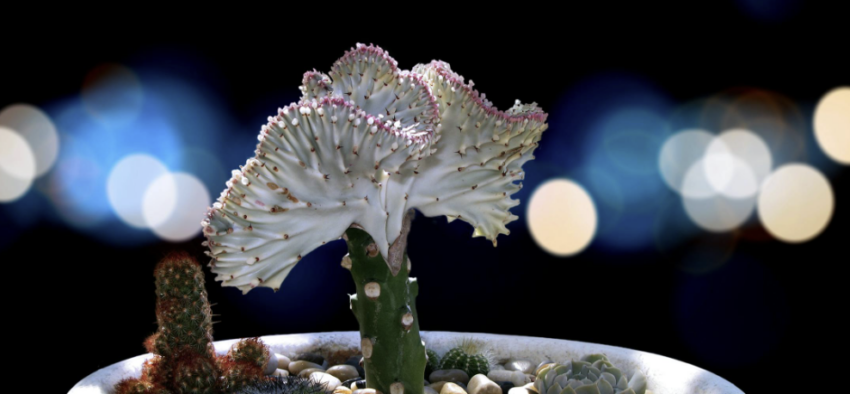
If you are looking for something a bit different, the mermaid tail plant is a perfect choice. It has a unique appearance that really stands out. In fact, many people first see it on TikTok and instantly fall in love.
With its elegant tail of a mermaid shape, this plant feels almost magical. It adds a real touch of magic to any space.
So, if you want a rare plant that is still fairly easy to care for, you are in the right place.
Background of the Mermaid Tail Plant
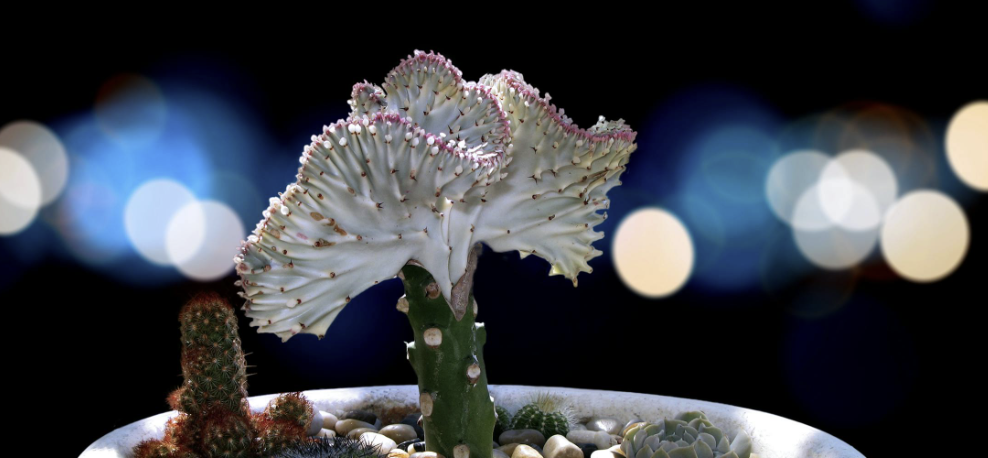
The mermaid tail plant is not just one plant. It is usually a crested form of a succulent. The most common types are euphorbia lactea crested ‘mermaid tail’ and crested senecio vitalis.
These plants come from warm regions like South Africa. Their unusual shape is a completely natural trait. It is called “cresting,” and it creates that wavy, fan-like look.
Because of this, each plant has its own unique shape. No two are ever the same. If you love unique houseplants, explore The Most Interesting Plants To Add To Your Collection for more unique plants to grow at home.
Types of Mermaid Tail Plant
There are a few types of mermaid’s tail succulents you might see:
- Coral cactus (a type of euphorbia)
- Crested senecio vitalis
- Other rare cultivar forms
Each one has a slightly different growth pattern. Some are more green, while others may show a mystical purple tone.
Is Mermaid Tail Plant Similar to Other Houseplants?
Yes and no.
It shares care needs with many succulent plants. Think of plants like aloe or jade. They all like bright light and dry soil.
However, this is still a unique plant. So, plant-specific care is important. It does not like too much water, and its shallow roots need good drainage.
Light
Light is very important for this plant.
Place your mermaid tail plant in bright light. A south-facing window is often ideal.
It can handle bright direct light, but it also does well in indirect light. If light is too low, growth may slow.
So, aim for a strong light source, but avoid harsh midday sun at first.
Water
This is where many people go wrong.
The most common mistake is giving too much water. This can quickly lead to root rot.
Let the soil dry out fully before watering again. This usually means watering every 2–3 weeks.
Always check the soil first. Dry soil is your signal to water.
Temperature
Mermaid tail succulents prefer warm conditions.
Keep them in a stable indoor space. Avoid cold drafts or sudden drops in temperature.
They enjoy a climate similar to most indoor plant environments.
Humidity
Low humidity is best.
Unlike tropical plants, these do not need a humid environment. Normal indoor air is perfect.
Fertiliser
Feed lightly during the growing season.
Use a diluted fertiliser once a month in spring and summer. This helps support new growth.
Do not fertilise in winter.
Soil
For the Mermaid Tail Plant well-draining soil is a must.
Use a cactus or succulent mix. This prevents water from sitting around the roots.
Always plant in a pot with a drainage hole.
Repotting
Repotting is not needed often.
Because of shallow roots, these plants prefer to stay slightly snug. Only repot when needed.
When you do, move to a slightly larger pot with fresh soil.
Pruning
Pruning is very simple.
You only need to remove damaged or unhealthy parts. This helps keep the plant in a healthy condition.
Propagation of Mermaid Tail Plant
Propagation can be tricky.
Unlike many succulent plants, cresting makes this harder. It is not always easy to grow a new plant from cuttings.
So, most people choose to buy a new plant instead.
Seasonal Care of Mermaid Tail Plant (Dormancy)
Like many succulents, this plant has a rest period.
In winter, growth slows down. This is called dormancy.
During this time:
- Water less
- Stop feeding
- Keep it in good light
Then, in the growing season, it will start again.
Mermaid Tail Plant Benefits
This plant is more than just pretty. It is a real conversation-starting piece and adds interest to your cactus collection. It has a truly unique shape and brings a calm, creative feel to your space.
This makes it a great option if you love interesting plants.
Common Problems and Troubles Shooting for Mermaid Tail Plant
Here are a few common issues:
Root rot – Caused by too much water or poor drainage
Soft or mushy areas – Often a sign of excess water
Slow growth – Usually due to lower light
Turn brown – usually due to overwatering, too much direct sun, or stress from poor conditions.
Most problems come back to watering and light.
Pests
Keep an eye out for pests.
Common ones include mealybugs and spider mites. Good pest identification helps you act early.
Diseases
Root rot is the main disease to watch for.
This is why well-draining soil and proper watering are so important.
Is Mermaid Tail Plant Pet Friendly?
No, it is not pet safe.
Some types, like euphorbia, can be toxic. Keep them away from pets and children.
Other Types to Explore
If you like this plant, you may enjoy other uniquely shaped succulent plants.
Look for rare cultivar types or other crested forms. Each one offers something different.
Styling Tips
This plant really shines on its own.
Place it where people can see it. It works well on shelves or near a bright window.
It truly is an eye-catching plant.
FAQs
What is the most common mistake people make when growing cacti?
The biggest mistake is overwatering. Too much water leads to root rot very quickly.
How often should I water my mermaid tail?
Water every 2–3 weeks, but always check the soil first. It should be fully dry.
What are the benefits of growing mermaid plant?
It has a unique appearance, needs little care, and makes a great conversation piece.
Do mermaid tail cacti bloom?
Some types can bloom, but it is rare indoors. The main appeal is the unique shape.
Is a mermaid tail plant easy to care for?
Yes, it has good ease of care if you avoid overwatering.
How long do mermaid tail cacti live?
With proper care, they can live for many years.
The mermaid tail succulent is truly something special. It is a rare plant with a bold look and simple needs.
So, if you want something a little different, this could be your next favourite plant.