
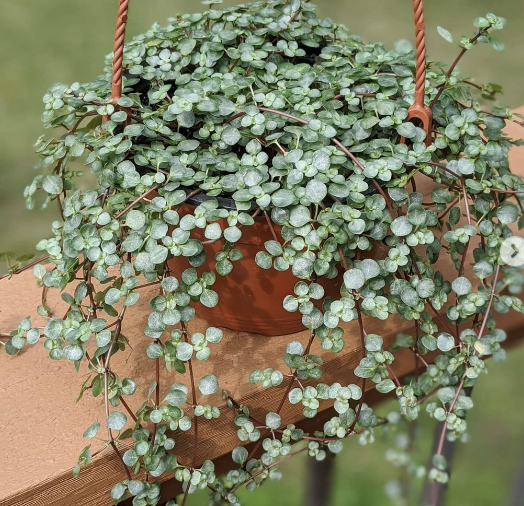
If you are looking for a plant that feels soft, delicate, and a little bit different, pilea aquamarine is such a lovely choice. You might also see it called the silver sparkle pilea, and once you spot those tiny, silvery leaves, it makes sense.
Even better, it is fairly low maintenance. So, whether you are new to plants or growing your indoor plant collection, this one is a great fit.
Let’s go through everything you need to know to keep your pilea aquamarine happy and growing well.
Background
Pilea glauca ‘aquamarine comes from South America, where it grows as a low, spreading plant. In the wild, it acts almost like ground cover, creeping along and filling space with soft foliage.
It belongs to the same family as pilea peperomioides, which you might already know as the Chinese money plant. There are also similar types like pilea libanensis and pilea glaucophylla.
What makes this one special, though, is its delicate leaves and fine texture. When it is healthy, it produces a lot of leaves and creates a soft, trailing look that feels very relaxed.
Types
There are not loads of different types of pilea aquamarine, but there are a few close relatives.
You might come across pilea libanensis or pilea glaucophylla. They look quite similar, with slight changes in colour or growth pattern.
In general, though, if you have one of these, the care will feel very familiar. So, once you learn one, you are set.
Is It Similar to Other Houseplants?
Yes, and this is what makes it such an easy plant to care for.
If you have looked after tropical plants before, this will feel very natural. It enjoys bright indirect light, steady soil moisture, and a calm environment.
In some ways, it behaves a bit like pilea peperomioides, but it stays much smaller and more delicate.
So overall, it is an easy, beginner-friendly option.
Size
One of the nicest things about pilea aquamarine is its small size.
It usually grows to around 15 to 30 cm tall, so it will not take over your space. Instead, it spreads out gently and creates a fuller look over time.
As it grows, the stems start to trail. That is why it looks so good in a hanging basket or on a shelf.
It feels soft and relaxed rather than bold and upright.
Care
Light
Light really makes a difference with this plant.
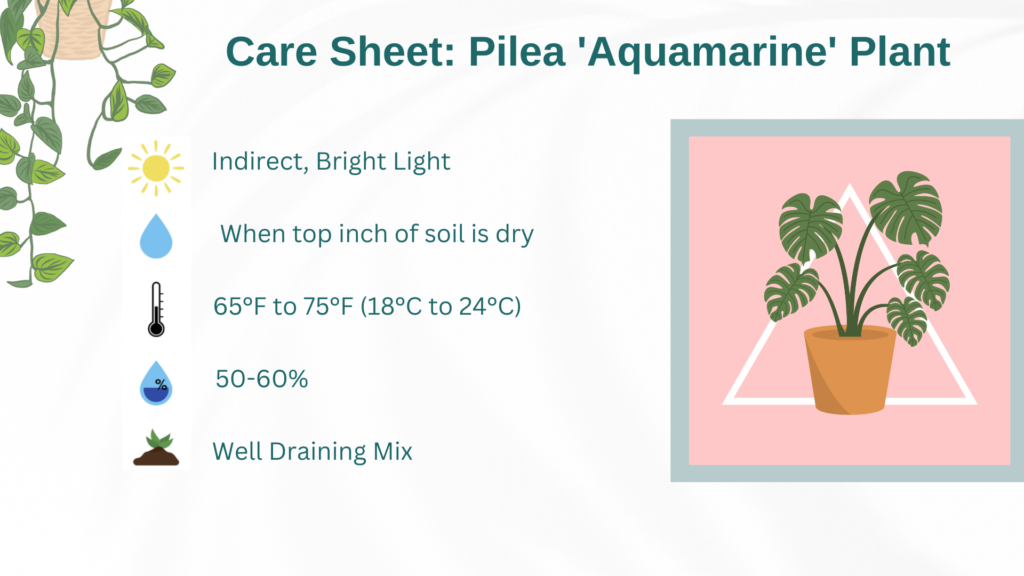
It does best in bright indirect light, so placing it near an east-facing window is often a great choice. That soft morning light is just right.
If it gets too much direct sunlight, the delicate leaves can scorch. On the other hand, if there is too little light, the plant can become thin and leggy.
If your home feels a bit dark, using artificial light is a good idea. It can really help keep growth steady and healthy.
Water
Watering is where things can go wrong, so it is worth getting this right.
A good rule is to let the top inch of soil dry out before watering again. This helps keep the soil moisture balanced.
If the soil stays too wet, it can lead to root rot. This is one of the most common problems and the most likely cause of yellow leaves.
Always make sure your pot has drainage holes so excess water can escape.
In the summer months, you may need to water a bit more often. Then in the winter months, you can ease back and use little water.
Temperature
This plant enjoys warm, steady conditions.
It is happiest between 18 and 24°C, which works well for most homes. Just try to avoid cold drafts or sudden temperature changes.
If it gets too cold, you may notice signs of distress like drooping or slow growth.
Humidity
Because it is a tropical plant, pilea aquamarine does enjoy a bit of extra humidity.
That said, it can still do fine in normal indoor air. However, if your home is quite dry, especially in winter, you might notice dry leaves.
In that case, adding a little extra humidity can really help. You could group plants together or use a humidifier.
Even something simple like placing it in a slightly more humid room can make a difference.
Fertiliser
During the growing season, your plant will benefit from a little feeding.
Using a regular store-bought fertiliser once a month is usually enough. Just make sure to dilute it so you do not overwhelm the plant.
This helps support new leaves and keeps the plant looking full.
In winter, you can stop feeding as growth slows down.
Soil
Getting the soil right is a big part of keeping this plant healthy.
It prefers well-draining soil with lots of organic matter. A mix with coco coir and a handful of perlite works really well.
This helps keep the soil moist but not soggy, which is exactly what the roots need.
Repotting
You will not need to repot too often, which is always a bonus.
When you do, move to a slightly larger pot with good drainage holes. Avoid going too big, as the root system prefers a snug space.
Fresh soil can also give the plant a nice boost.
Pruning
Pruning is simple but helpful.
If your plant starts to look a bit leggy, trimming back the stems can encourage fuller growth. It also helps the plant stay neat and balanced.
You can also remove any dry leaves or damaged plant material as you go.
Propagation
Propagation is one of the most enjoyable parts of plant care.
With pilea aquamarine, it is very easy. Just take stem cuttings from a healthy stem and place them in water or moist soil.
After a little time, roots will form, and you will have new plants ready to grow.
It is a great way to expand your collection or share with a family member.
Seasonal Care
As the seasons change, your plant’s needs will shift slightly.
In the growing season, which is spring and summer, the plant will grow faster. So, it will need more water, more light, and the occasional feed.
Then, in the winter months, things slow down. During this time, you can water less and stop feeding.
It is all about adjusting your care to match the current weather and light exposure.
Does It Bloom?
Pilea aquamarine can bloom, but it is not very common indoors.
The flowers are tiny and quite subtle, so they are not the main reason people grow this plant.
If you would like to encourage blooming, the best thing you can do is give it enough light and keep your care routines steady.
Still, most people love this plant for its leaves rather than its flowers.
Plant Benefits
There is a lot to love about this plant.
It is low maintenance, easy to grow, and perfect for smaller spaces. It also adds a soft, calming feel to a room.
Because it grows lots of leaves, it quickly makes a space feel fuller and more alive.
Common Problems and Troubleshooting
Like any plant, there can be a few issues from time to time.
If you notice yellow leaves, it is often a sign of overwatering or poor drainage. If the plant looks droopy, it may need more water or light.
Leggy growth usually points to not enough light.
The good news is, most of these problems are easy to fix once you spot them.
Pests
Spider mites are the most common pest you might see.
They tend to appear when the air is dry, so keeping humidity steady can help prevent them.
If needed, you can treat them with a gentle spray like insecticidal soap.
Diseases
Root rot is the main issue to watch for.
It happens when the soil stays too wet for too long. So, always check the soil before watering.
Is Pilea Aquamarine Pet Friendly?
Pilea aquamarine is generally considered non-toxic, but it is still best to keep it out of reach of pets, just to be safe.
FAQs
Is Pilea aquamarine easy to care for?
Yes, it is a very easy plant to care for. It is great for beginners and busy homes.
What are the common problems with Pilea aquamarine?
The most common problems are yellow leaves, root rot, and leggy growth.
Where to put Pilea aquamarine in a house?
A bright spot near an east-facing window works really well.
What is the lifespan of a Pilea aquamarine plant?
With proper care, it can live for many years.
How do I make my Pilea aquamarine bushy?
Regular pruning and enough light will help it grow fuller.
Should I bottom water a Pilea aquamarine?
Yes, bottom watering can be a good idea. It helps control soil moisture.
How to make Pilea aquamarine happy?
Focus on proper watering, enough light, and stable conditions.
How do you know if you overwatered Pilea aquamarine?
Look for yellow leaves, soggy soil, and a sad-looking houseplant.
With the right care routines, your pilea aquamarine will thrive. Over time, it will reward you with lots of leaves and that soft, silver sparkle that makes it so special.