
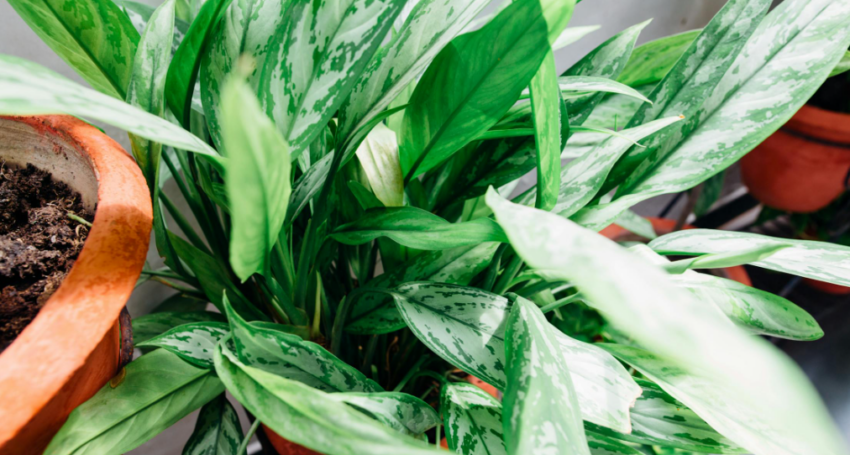
Aglaonema plants, also called Chinese evergreen plants, are one of the easiest tropical plants to grow indoors. They are loved for their vibrant foliage, variety of colors, and easy-going nature.
These beautiful plants belong to the Aglaonema commutatum plant family and grow naturally in humid environments with indirect light. Their beautiful foliage makes them a popular houseplant for homes, offices, and plant collections.
However, healthy growth starts with the right soil. The wrong soil can trap excess water and lead to root rot. The best soil supports a healthy root system, steady new growth, and strong aglaonema leaves.
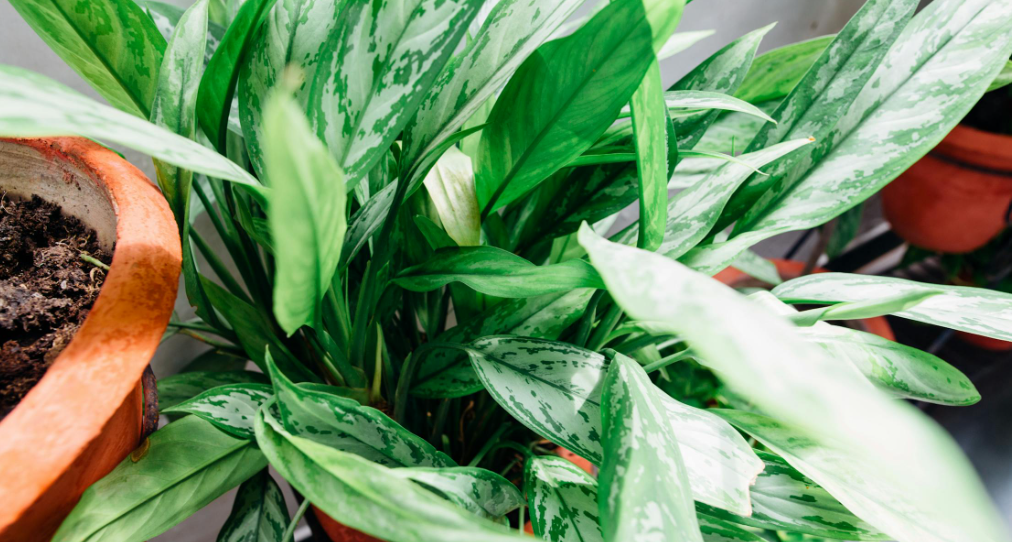
What Soil to Use for Aglaonema
The best soil mix for aglaonema is light, airy, and well-draining. It should hold some moisture without becoming soggy.
A simple soil mix looks like this:
- 2 parts indoor potting mix
- 1 part peat moss or coco coir
- 1 part perlite or coarse sand
This creates a suitable growing medium with good drainage and airflow. It also helps support root development and healthy new leaves.
Aglaonema plants enjoy moist soil, but they do not like standing water.
What Soil Not to Use (And Why)
Avoid heavy garden soil or compact compost. These hold too much water and reduce airflow around the roots.
Poor drainage can lead to root rot, yellow lower leaves, and signs of disease.
The best way to avoid common problems is by using a loose, airy soil mix.
Soil pH and Nutrients
Aglaonema plants prefer slightly acidic to neutral soil. Most indoor potting mix products already fall within this range.
During the growing season, feed with a half strength liquid fertilizer once a month. This supports new leaf growth and vibrant foliage.
Avoid heavy feeding during winter when growth slows down.
Planting Aglaonema in Pots
Always use pots with drainage holes. This prevents excess water from collecting at the bottom.
Choose small pots or individual pots that fit the root system closely. Pots that are too large can hold too much moisture.
Place your plant in a bright spot with indirect sunlight. Aglaonema plants tolerate lower light well, but too little light can slow new growth.
Do Aglaonema Like Big Pots?
No, aglaonema plants prefer slightly snug pots. A very large pot can stay wet for too long and increase the risk of root rot.
Choose a new pot that is only slightly larger than the current one.
Best Time to Repot
The best time to repot aglaonema is during the growing season in spring or early summer.
Repotting during warm weather helps the plant settle into its new environment faster.
Older plants may only need repotting every couple of months if growth is very fast, but most mature plants only need repotting every few years.
How to Repot Aglaonema
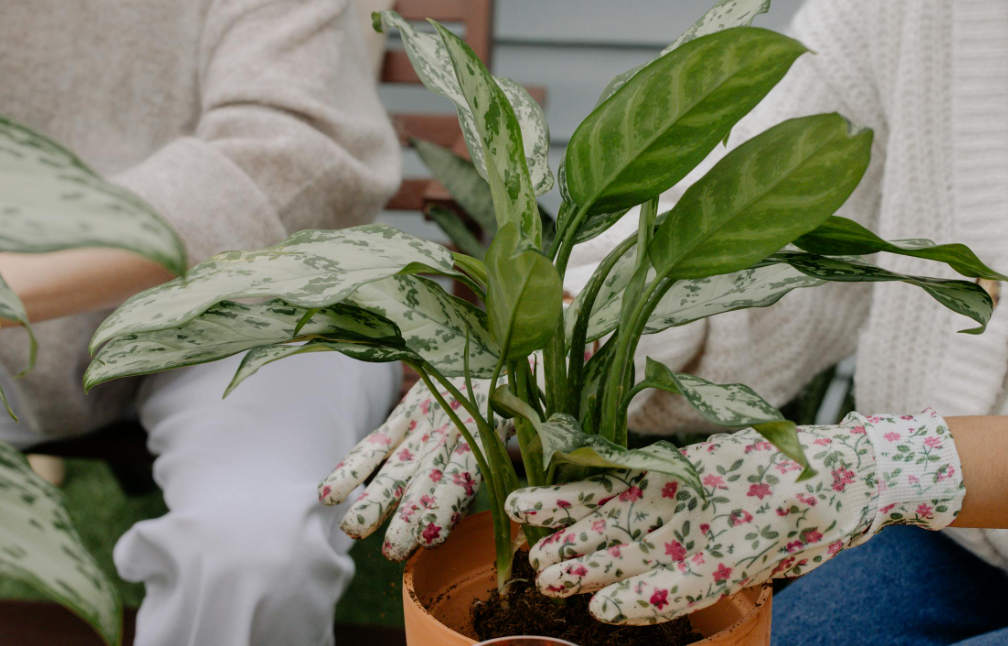
Gently remove the plant from its current pot. Loosen the roots and remove some old soil.
Place the plant into fresh soil in a new pot with drainage holes.
Keep the plant at the same soil level as before. Water lightly and place in indirect light while the roots settle.
Propagating Aglaonema
Propagation is a rewarding experience and a fantastic way to grow new plants.
Stem Cuttings
Stem cuttings are a preferred method for propagation.
Use sharp scissors or a sharp knife to take a healthy stem from the mother plant. Make a clean cut below a leaf node.
Place the cut end of the stem into water propagation using a glass jar, or place it directly into moist soil.
Water roots usually appear after a couple of months in a warm environment.
Plant Division
Plant division works well for older plants with multiple shoots.
Gently separate the root system into separate pots. Each section should have healthy roots and at least one new shoot.
Helpful Propagation Tips
- Use clean cutting tools
- Remove the lowest leaves before rooting
- Use rooting hormone or hormone powder for best results
- Cover cuttings with a plastic bag or plastic cover to hold humidity
- Keep the water level stable if rooting in water
Signs the Soil Is Not Right
Poor soil quickly affects plant care and plant health.
Watch for:
- Yellow lower leaves
- Soft stems from too much water
- Slow root development
- Brown or damaged aglaonema leaves
- Root rot from wet soil
Healthy plants produce steady new growth and fresh new leaves.
Frequently Asked Questions
Can I use succulent soil for Aglaonema?
Yes, but it is best mixed with regular potting mix. Succulent soil improves drainage, but on its own it may dry too quickly for this tropical plant.
Should I bottom water my Aglaonema?
Bottom watering is a good idea because it helps prevent overwatering. Allow the soil to absorb water slowly, then let excess water drain away.
What is the best soil mix for Aglaonema?
The best soil mix contains potting mix, peat moss or coco coir, and perlite or coarse sand. This creates good drainage while keeping enough moisture for healthy roots.
Do Aglaonema like big pots?
No, they prefer pots that fit the root system closely. Large pots hold too much moisture and can lead to root rot.
How to prepare soil for Aglaonema plant?
Mix indoor potting soil with perlite and peat moss or coco coir. The goal is a loose, airy soil mix with good drainage.
When should I repot my Aglaonema?
The best time to repot is spring or early summer during the growing season. Repot when roots outgrow the pot or growth slows down.
Do Aglaonema like moist soil?
Yes, aglaonema plants prefer moist soil. However, the soil should never stay soggy or waterlogged.
Chinese evergreen plants are some of the most rewarding houseplants to grow. Their beautiful foliage, ease of care, and variety of colors make them a favourite among plant lovers.
With the right soil mix, proper watering, and indirect light, your aglaonema can thrive for many years and produce lush, healthy growth