
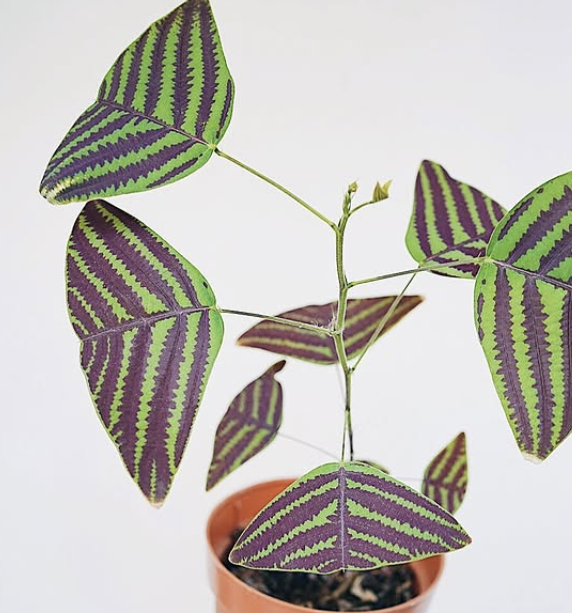
If you’re looking for an unusual houseplant that always gets people talking, the swallowtail plant could be exactly what you need.
With its butterfly-shaped leaves and delicate appearance, this unique plant is a real gem of the plant kingdom.
Even better, the swallowtail plant is surprisingly easy to grow once you understand its needs. So, whether you’re new to houseplants or already have a collection of beautiful indoor plants, this wonderful houseplant is well worth adding to your home.
In this guide, I’ll cover everything you need to know about swallowtail plant care, from light and watering to propagation and common problems.
If you love unusual houseplants, explore The Most Interesting Plants To Add To Your Collection for more unique plants to grow at home.
Background
The swallowtail plant, known by its botanical name Christia obcordata, is a fascinating ornamental plant native to parts of subtropical Asia.
Its common name comes from its unusual leaves. They closely resemble the wings of swallowtail butterflies. As a result, the plant has become popular among collectors looking for something different.
In its native range, Christia obcordata grows in warm conditions with plenty of moisture and filtered light. It is often found growing in open grasslands and tropical regions.
While it is sometimes grown outdoors in warmer climates, it has become an increasingly popular unusual houseplant in recent years.
Types of Swallowtail Plant
Most growers focus on Christia obcordata, which is the best-known swallowtail butterfly plant.
However, you may find slight variations in leaf markings and color intensity. Some plants display deeper red veins, while others have softer green and burgundy patterns.
Young plants often have smaller leaves. As they mature, the butterfly-shaped leaves become larger and more dramatic.
Is Swallowtail Plant Care Similar to Other Houseplants?
Yes, in many ways.
If you’ve successfully grown a purple shamrock or other tropical plants, you’ll likely find swallowtail plant care quite familiar.
Like many tropical species, it enjoys warm temperatures, moist soil, bright conditions, and regular watering. However, it dislikes direct sunlight and soggy roots.
Think of it as a slightly more delicate version of some easy-care houseplants.
Where to Grow and How to Style a Swallowtail Plant
The swallowtail plant looks stunning in stylish planters placed where its unusual foliage can be admired.
A bright shelf, side table, or plant stand works well. Because the leaves resemble butterfly wings, this plant naturally becomes a focal point.
It also pairs beautifully with other pet friendly houseplants and low-maintenance plants.
For the best display, choose a decorative grow pot that contrasts with the rich leaf colors.
Light
Light is one of the most important parts of swallowtail plant care.
This plant loves lots of indirect light throughout the day. A bright room near an east-facing window is often ideal.
Morning sun is usually fine. However, strong direct sunlight can damage the delicate leaves.
Too much sun may cause fading, leaf scorch, and slower growth. On the other hand, low light can lead to weak stems and poor color.
The best growth happens when the plant receives bright, filtered light with a lot of the intensity of the light reduced.
Water
The swallowtail plant prefers evenly moist soil during the growing season.
Check the top couple of inches of the soil before watering. If they feel slightly dry, it’s time to water again.
Regular watering helps support healthy growth. However, avoid overwatering. Excess moisture can quickly lead to root rot.
Always use a pot with a drainage hole. This allows excess water to escape freely.
During winter, reduce watering slightly as growth slows down.
Temperature
This plant thrives in warm temperatures between 18°C and 27°C.
Because it comes from subtropical Asia, it dislikes cold conditions. Keep it away from drafts, cold windows, and sudden temperature changes.
If temperatures drop below 13°C, the plant may struggle.
Humidity
Like many tropical plants, the swallowtail plant enjoys higher humidity.
Average household humidity is often acceptable. However, extra humidity can encourage stronger growth and healthier foliage.
A small humidifier nearby can help during dry periods. Grouping plants together can also create a more humid environment.
Fertiliser
Feed your swallowtail plant during the growing season from late spring through early fall.
A balanced organic plant food works well. Apply at half strength every two to four weeks.
Avoid heavy feeding. Too much fertiliser can damage the shallow roots and reduce overall plant health.
Soil
The best soil mix is light, airy, and well-draining.
A combination of quality potting mix, perlite, and organic matter works very well.
Good drainage is essential. Heavy soils that stay wet for long periods can lead to root problems.
The goal is moist soil, not wet soil. Read my guide on understanding soil for beginners if you need further help.
Repotting
Because the swallowtail plant has a fairly compact root structure, it does not need frequent repotting.
Repot every one to two years, or when roots begin filling the container.
Move the plant into a slightly larger grow pot with fresh soil mix.
Avoid choosing a pot that is much bigger than the current one.
Pruning
Pruning helps keep your plant neat and healthy.
Remove damaged leaves, yellow foliage, and weak stems as needed.
You can also pinch growing tips to encourage fuller growth.
Regular pruning often produces a bushier plant with more attractive foliage.
Propagation
The best way to create new plants is through seeds or stem cuttings.
Stem cuttings can be rooted in moist growing soil during the growing season.
Take healthy cuttings in late spring or early summer. Allow the cut ends to dry briefly before planting.
Keep the soil lightly moist while roots develop.
Seasonal Care
During spring and summer, growth is usually strongest. This is the time for feeding, repotting, and propagation.
During late summer and early fall, continue regular care while monitoring soil moisture.
As winter arrives, growth slows. Reduce watering and stop fertilising until spring returns.
This simple adjustment helps prevent common problems.
Swallowtail Plant Benefits
The swallowtail plant offers more than just beauty.
Its butterfly-shaped leaves create a striking display that few other houseplants can match.
It also adds a tropical feel to indoor spaces and makes a perfect living gift for plant lovers.
If you enjoy collecting unusual plants, this species is guaranteed to stand out.
How to Encourage Blooming
Although the foliage is the main attraction, mature plants can produce small flowers.
To encourage blooming, provide plenty of bright indirect light, consistent moisture, and regular feeding during the growing season.
Healthy plants are more likely to flower than stressed ones.
Patience also helps. Younger plants rarely bloom.
Common Problems of Swallowtail Plant
Yellow leaves are often caused by excess water or poor drainage.
Drooping stems may indicate underwatering or low humidity.
Slow growth is usually linked to insufficient light.
Brown leaf edges can develop if the air becomes too dry.
Most issues improve quickly once the right growing conditions are restored.
Pests
Spider mites are the most common pest affecting swallowtail plants.
They are more likely to appear in dry conditions.
Inspect leaves regularly and wipe them clean if needed.
Treat infestations early to prevent larger problems.
Diseases
Root rot is the most common disease.
It is almost always caused by overwatering and poorly drained soil.
Fungal problems may also develop if leaves stay wet for long periods.
Good airflow and proper watering greatly reduce these risks.
Is Swallowtail Plant Pet Friendly?
The safety of Christia obcordata around pets has not been widely studied.
For that reason, it is best to keep the plant away from curious cats and dogs.
If you are looking specifically for pet friendly houseplants, there are safer options with established safety information.
Conclusion
The swallowtail plant is one of the most unique houseplants you can grow. Its butterfly-shaped leaves bring movement, color, and interest to any room.
While it may look exotic, it is surprisingly straightforward to care for. Give it warmth, bright indirect light, moist soil, and good drainage, and it will reward you with beautiful growth.
If you love unusual foliage plants, Christia obcordata deserves a place in your collection.
Frequently Asked Questions
How do you care for a swallowtail plant indoors?
Place it in bright indirect light, keep the soil lightly moist, and maintain warm temperatures. Avoid direct sunlight and waterlogged soil.
What are signs of an unhealthy swallowtail plant?
Yellow leaves, drooping stems, brown leaf edges, and slow growth are common signs that something is wrong.
How do you take care of a swallowtail plant in the winter?
Reduce watering, stop fertilising, and keep the plant away from cold drafts. Continue providing bright indirect light.
How much should I water a swallowtail plant?
Water when the top couple of inches of the soil feel dry. Keep the soil lightly moist but never soggy.
How big will a swallowtail plant get?
Most indoor plants reach around 1 to 3 feet tall and wide when grown in ideal conditions.