
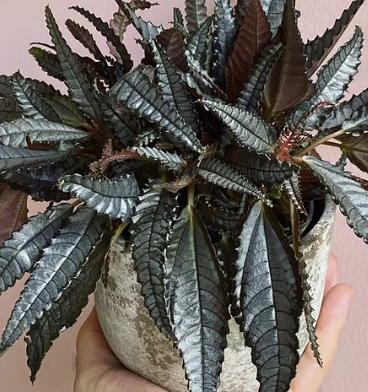
The Dark Mystery Pilea is a beautiful houseplant with unusual, dark foliage. Its deep green to chocolate-coloured leaves have a striking metallic silver stripe down the centre.
Although it looks like a rare and unusual plant, Dark Mystery Pilea care is fairly simple. Give it bright indirect light, moist soil, and a warm environment, and it can grow happily indoors.
It is also a compact plant, making it a great choice for shelves, desks, bathrooms, and smaller spaces. In this guide, you will learn everything you need to know about caring for a Dark Mystery Pilea.
What Is A Dark Mystery Pilea?
The Dark Mystery Pilea is a tropical plant from the Pilea genus. It is commonly sold as Pilea involucrata ‘Dark Mystery’, although you may also see it labelled as Pilea hitchcockii. Plant names can vary between nurseries and sellers.
It is known for its dark, textured leaves and bright metallic markings. New growth can also have a warm rose colour before the leaves mature.
Unlike the popular Chinese money plant, this Pilea has narrow, textured leaves. It has a compact growth habit and works especially well as an indoor plant.
Types Of Pilea Plants
There are many different Pilea species, and they can look completely different from one another.
Pilea peperomioides is probably the best-known variety. It is commonly called the Chinese money plant or pancake plant because of its round leaves.
Pilea involucrata is also known as the friendship plant. It has textured leaves and includes several popular cultivars, including Dark Mystery. Pilea cadierei, often called the aluminium plant, has green leaves covered with silver markings.
There are also smaller types, such as lizard tails Pilea, which are grown for their unusual foliage and compact shape.
Is Dark Mystery Pilea Care Similar To Other Plants?
Dark Mystery Pilea care is similar to many other tropical house plants. It enjoys warm temperatures, moderate to high humidity, and bright indirect light.
If you already grow tropical plants, you will probably find this Pilea easy to understand. The main thing to remember is that it likes moist soil but does not like excess water.
Light Requirements
The Dark Mystery Pilea grows best in bright indirect light. This gives it enough energy for healthy growth while protecting its leaves from direct sunlight.
A few feet away from a bright window is often a good place. You can also grow it near an east-facing window where it receives gentle morning light.
Too much direct sunlight can scorch the leaves and cause the dark leaf colour to fade. On the other hand, low light can lead to slow growth and a less compact plant.
If the stems become long and stretched, try moving your Pilea closer to a window. It may simply need more light.
Water Requirements
Watering is one of the most important parts of Pilea care. The Dark Mystery Pilea likes moist soil, but it does not want to sit in soggy soil.
Check the top inch of soil before watering. If it feels slightly dry, it is usually time to water again.
When you water, soak the soil thoroughly until water runs from the drainage holes. Then allow the excess water to drain away.
Avoid leaving water sitting in the bottom of the pot. Too much water around the roots can eventually cause root rot.
During the growing season, your Pilea may need water more often. You can reduce watering slightly during the winter months when growth slows.
Should You Water A Pilea From The Bottom?
You can water a Dark Mystery Pilea from the bottom if you prefer. This method allows the soil to absorb water through the drainage holes.
It can be useful when the soil has become very dry and water runs straight through the pot.
However, top watering works just as well. The most important thing is checking the soil moisture and allowing excess water to drain away.
Temperature Requirements
Dark Mystery Pileas prefer warm room temperatures. They are tropical plants, so they do not cope well with cold conditions.
Try to keep your plant away from cold drafts, open windows, and air conditioning units. Extreme temperature changes can cause stress and slow healthy growth.
A normal room temperature is usually suitable. During winter, make sure your Pilea is not sitting against a cold window.
Humidity Requirements
Dark Mystery Pilea plants enjoy moderate to high humidity. They naturally come from humid environments, so dry indoor air can sometimes cause problems.
Average home humidity may be enough, especially if your home is not particularly dry. However, higher humidity can encourage healthier leaves and new growth.
If the air is dry, place your plant near other indoor plants or use a humidifier. A pebble tray can also add a little extra moisture around the plant.
Bathrooms can be a good place for Pileas if they have enough natural light.
Soil Requirements
The best soil for a Dark Mystery Pilea is light, airy, and well-draining. The soil should hold some moisture without becoming soggy.
A good houseplant potting mix with added perlite can work well. This helps improve drainage and allows air to reach the roots.
Always use a pot with drainage holes. Good drainage is one of the easiest ways to reduce the risk of root rot.
Fertiliser Requirements
Dark Mystery Pilea benefits from regular feeding during the growing season. This gives the plant the nutrients it needs for healthy growth and new leaves.
A water-soluble fertilizer diluted to half strength can be used every few weeks during spring and summer.
You can also use a mild organic fertilizer if you prefer. Avoid using too much fertiliser because excess nutrients can damage the roots.
Reduce feeding during winter when the plant’s growth naturally slows.
How To Repot A Dark Mystery Pilea
Dark Mystery Pileas do not need to be repotted very often. Repotting is usually needed when the roots have filled the pot or the soil dries out unusually quickly.
When it is time to repot, choose a larger pot that is only slightly bigger than the current one. A pot that is too large can hold too much moisture around the roots.
Use fresh, well-draining soil and gently remove the plant from its old pot. Check the root ball for any soft or damaged roots before placing it into the new pot.
Spring is usually the best time to repot because the plant is beginning its active growing season.
Pruning And Maintenance
Pruning can help keep your Dark Mystery Pilea compact and bushy. It is especially useful if the stems have become long or leggy.
Use sharp scissors to remove damaged leaves and weak stems. You can also trim healthy stems to encourage the plant to produce new growth.
Regular pruning can make the plant look fuller over time. It also gives you healthy stem cuttings that can be used for propagation.
How To Propagate A Dark Mystery Pilea
Dark Mystery Pilea can be propagated using stem cuttings. This is a simple way to create new plants from a healthy mother plant.
Take a healthy stem cutting with several leaves attached. Place it in moist soil or water and keep it somewhere warm with bright indirect light.
Once roots have developed, the cutting can be moved into well-draining soil. Keep the soil slightly moist while the new plant becomes established.
Propagation is also a great way to replace an older plant or share new plants with a family member.
Seasonal Care
During spring and summer, your Dark Mystery Pilea will enter its main growing season. This is when it needs the most water, light, and fertiliser.
Keep the soil moist and provide bright indirect light. You should also see plenty of new growth when conditions are right.
During autumn and winter, growth usually slows. Your plant will need less water and fertiliser during this time.
Be especially careful with cold drafts during winter. Keeping your Pilea warm and away from cold windows will help prevent stress.
Benefits Of Growing A Dark Mystery Pilea
The Dark Mystery Pilea is an excellent choice if you want something a little different from common house plants.
Its unusual foliage adds unique texture and colour to a room. The dark leaves can also create a lovely contrast against plants with bright green foliage.
Because it stays relatively compact, it works well in smaller rooms. It can also make a great addition to a plant shelf, office, bathroom, or bedroom.
It is also considered non-toxic to cats and dogs, making it a popular choice for pet owners.
Common Dark Mystery Pilea Problems
One of the most common problems with Pilea plants is yellow leaves. This can happen when the plant receives too much water or the soil stays wet for too long.
Brown leaves can have several causes. Low humidity, underwatering, direct sunlight, or dry air can all affect the leaves.
If your plant is becoming leggy, it may not be receiving enough light. Moving it closer to a bright window can encourage more compact growth.
Leaf drop can also happen after a sudden change in temperature or watering. Try to keep your plant’s growing conditions as stable as possible.
What Does An Overwatered Pilea Look Like?
An overwatered Pilea may develop yellow leaves, soft stems, or leaves that begin to drop. The soil may also remain wet for several days after watering.
If the problem continues, the roots can become damaged and develop root rot.
If you think your plant has been overwatered, check the roots and allow the soil to dry slightly before watering again. Make sure the pot has good drainage.
Pests
Spider mites are one of the pests that can affect Dark Mystery Pilea plants. They are tiny and can be difficult to spot at first.
You may notice tiny webs, small marks on the leaves, or a dusty appearance on the foliage. Check the undersides of the leaves regularly because pests often hide there.
If you find spider mites, gently wash the leaves and remove badly affected foliage. Neem oil can also be used as part of a pest control routine.
Regularly checking your plants is one of the most effective ways to catch pests early.
Diseases
Most Pilea diseases are linked to watering or poor growing conditions. Root rot is one of the biggest concerns because it develops when the roots stay wet for too long.
Good drainage and careful watering are therefore important parts of disease prevention.
Avoid placing your plant in soggy soil and always use a pot with drainage holes. Giving the plant enough space and airflow can also help keep the foliage healthy.
Is Dark Mystery Pilea Pet Friendly?
Dark Mystery Pilea is generally considered non-toxic to cats and dogs. This makes it a great plant for homes with furry friends.
However, it is still best to prevent pets from chewing on houseplants. Eating large amounts of plant material can sometimes cause stomach upset, even when a plant is not considered toxic.
Frequently Asked Questions
How do I care for a Pilea Dark Mystery plant?
Give your Dark Mystery Pilea bright indirect light, moist but well-draining soil, and warm temperatures. Allow the top inch of soil to dry slightly before watering again. Moderate to high humidity will also help support healthy growth.
Are Pileas hard to take care of?
Most Pilea plants are fairly easy to care for. Dark Mystery Pilea is a good choice for beginners because it does not need complicated care. The main thing is avoiding excess water and providing enough light.
What are the common problems with Pilea?
Common problems include yellow leaves, brown leaves, leaf drop, leggy growth, and root rot. These problems are often linked to overwatering, low light, dry air, or sudden temperature changes.
Should I water my Pilea from the bottom?
You can water a Pilea from the bottom or the top. Both methods work well when done correctly. The important thing is to make sure the soil becomes moist and excess water can drain from the bottom of the pot.
What is the lifespan of a Pilea plant?
A Pilea can live for several years indoors with the right care. Regular pruning and propagation can also help you keep new plants growing as the original plant ages.
Is the Dark Mystery Pilea rare?
Dark Mystery Pilea is less common than popular varieties such as Pilea peperomioides. It has also been marketed as a specialty or rare houseplant because of its unusual foliage. However, availability varies, and it can be found from some specialist nurseries and plant sellers.
How tall and wide does a Pilea ‘Dark Mystery’ grow?
A Dark Mystery Pilea usually stays fairly compact. Mature plants are often around 6 to 8 inches tall and wide, although size can vary with growing conditions. Some plants may spread further when allowed to trail or grow without pruning.
What does an overwatered Pilea look like?
An overwatered Pilea may develop yellow leaves, soft stems, and leaf drop. The soil may also stay wet for too long. If the problem continues, root rot can develop. Allow the soil to dry slightly between waterings and make sure the pot has good drainage.
Is Pilea a good indoor plant?
Yes, Pilea is an excellent indoor plant. Dark Mystery Pilea stays relatively compact and looks beautiful on shelves, desks, and plant stands. It is also a good choice for homes with pets because it is considered non-toxic to cats and dogs.