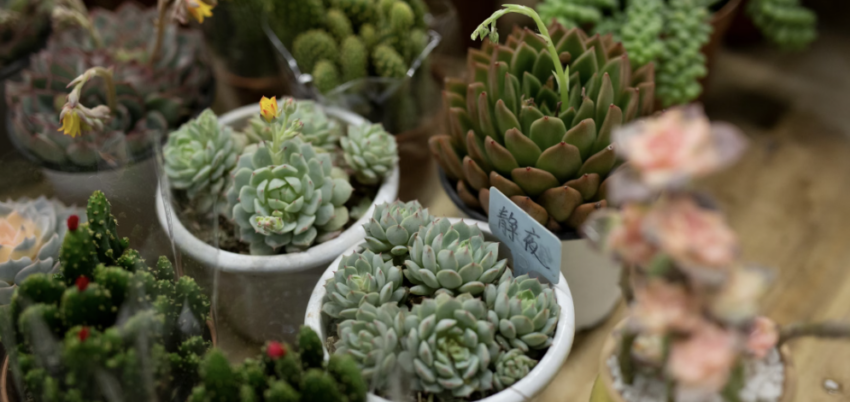
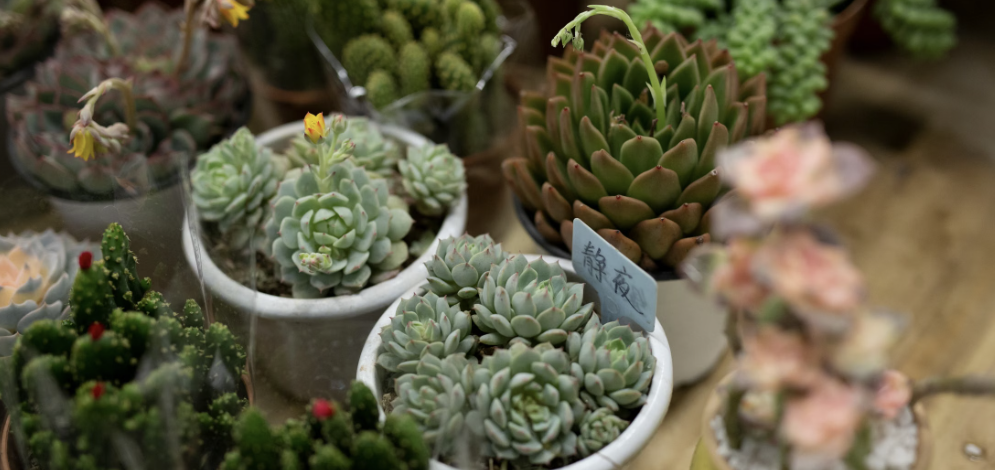
It sounds like your succulent is growing a huge flower stalk. Naturally, that can be worrying. Many people think their plant is growing well, only to hear the words death bloom.
The good news is that a succulent death bloom is a completely natural process. It does not mean you did anything wrong. In fact, it often shows that your plant received proper care and reached the final stage of its life cycle.
However, not every flowering succulent is death blooming. Many succulent species bloom every year and continue growing. Knowing the difference can help you care for your plant with confidence.
In this guide, you’ll learn what a succulent death bloom is, which plants experience one, and what you should do next.
What Is a Death Bloom?
A succulent death bloom is when a monocarpic plant produces flowers for the first and only time in its life. After flowering, the mother plant slowly dies.
Although this sounds alarming, it is a natural part of the plant’s life cycle. The plant spends years storing energy before putting everything into one beautiful bloom. Once it has produced flowers and seeds, its job is complete.
The good news is that many monocarpic succulent plants leave behind baby plants, also called pups or offsets. These new plants continue growing long after the parent plant has died.
So, while it may look sad at first, it is also the start of a new generation of succulents.
What Does Monocarpic Mean?
The word monocarpic simply means a plant flowers once during its lifetime.
After producing flowers, seeds, or both, the entire plant dies. This is very different from polycarpic plants, which flower many times throughout their lives.
Thankfully, not all types of succulents are monocarpic. Many flowering succulents bloom year after year without any problems.
Think of it like this:
- Monocarpic plant = Flowers once, then dies.
- Polycarpic plant = Flowers many times and keeps growing.
Once you know what monocarpic means, death blooms become much less scary.
What Does a Death Bloom Look Like?
One reason this topic is confusing is that death blooms can look different depending on the type of succulent.
However, there are a few common signs.
A death bloom usually grows from the center of the plant on a thick flowering stalk. This stalk is often much taller than the succulent itself.
As it grows, you’ll notice clusters of colourful flower buds. These eventually open into beautiful succulent flowers with bright, vibrant hues.
The bloom can last for several weeks or even months.
Although the flowers are stunning, the leaves on the mother plant often begin shrinking or losing colour soon afterwards. Keep in mind that this is different from succulents turning yellow because of overwatering or poor care. During a death bloom, the plant is simply reaching the end of its natural life cycle. This is because the plant is using all of its stored energy for seed production.
How to Tell if Your Succulent Is Death Blooming
Not every flower means your beloved plant is dying.
Ask yourself these questions:
- Is the flower stalk growing from the center of the plant?
- Is the stalk much larger than normal?
- Is your succulent a known monocarpic plant?
- Are the lower leaves beginning to shrink after flowering?
If you answered yes to most of these questions, your plant is probably going through a succulent death bloom.
If you’re still unsure, look up your exact succulent species before worrying. Brown leaves can also be confusing. However, succulents turning brown because of stress usually show different signs than a true death bloom.
Why Does a Succulent Death Bloom Happen?
A death bloom happens because of the plant’s natural life cycle.
Over many years, the succulent stores water and energy in its leaves and root system.
Once the mature plant reaches the right age and the right environmental conditions, it produces one spectacular bloom. Understanding where succulent plants are found in nature can also help you understand why they bloom this way. Their natural habitat plays a big role in their growth, flowering, and overall life cycle.
This usually happens after the plant has received adequate sunlight, well-draining soil, enough water, and proper care.
In other words, a death bloom is often a sign that your succulent has been healthy enough to reach this stage.
Can You Stop a Death Bloom?
Unfortunately, no.
Once the flowering stage begins, you cannot stop it by cutting off the flowering stalk.
The plant has already decided to flower. Removing the stalk will not save the mother plant.
Instead, continue giving your succulent the best possible care.
Place it in the right place, provide enough light, and avoid overwatering. This helps the flowers last longer and gives any baby plants the best chance to grow.
Can You Save a Death Blooming Succulent?
Sadly, you cannot stop the plant’s death once the bloom has started. If you’re not sure whether your plant is death blooming or simply struggling, take a look at these common succulent problems first. Many issues can be fixed, but a true death bloom is a completely natural process.
However, there is some good news.
Many death bloom succulents produce pups around the base before the parent plant dies.
Once these new growth plants become large enough, you can gently separate them and pot them into fresh well-draining soil.
This allows your plant collection to continue growing even after the original succulent has finished its journey.
Common Succulents That Have Death Blooms
Only certain succulent species are monocarpic.
Some of the most common include:
- Sempervivum (Hens and Chicks)
- Agave, including Agave americana, also called the century plant
- Some Kalanchoe, including the paddle plant
- Some Aeonium species
Many people ask about echeveria bloom because these plants flower regularly.
The good news is that most Echeveria are not monocarpic. They usually produce flowers from the side of the plant and continue growing afterwards.
That is why it is important to identify your succulent before assuming it has a death bloom.
How to Care During a Death Bloom
Although you cannot stop the process, you can help your plant stay healthy for as long as possible.
Continue your normal succulent care routine.
- Keep your plant somewhere with bright light.
- Water only when the soil has dried completely.
- Use well-draining soil to avoid root rot.
- Check regularly for pest infestations. Check regularly for common succulent pests and diseases, as stressed plants can sometimes become more vulnerable during this stage.
- Leave the flower stalk in place until it naturally dries.
Avoid making big changes during this time. Your succulent is simply following its natural cycle.
To Summarise
A succulent death bloom may sound frightening, but it is simply part of nature.
Some monocarpic succulent plants flower once before the mother plant dies. Others will continue blooming for many years.
The most important thing is to identify your type of succulent before worrying.
If your succulent is not death blooming, giving it the right care throughout the year will help it stay healthy. Learning how to keep your succulents alive in the winter is a great place to start.
If your plant is death blooming, remember that you did not cause it. In fact, it often means you provided excellent care. Better still, you may soon have new plants to enjoy.
FAQs
How long does a death bloom last?
A death bloom can last anywhere from a few weeks to several months. The flowers often stay attractive for quite a while before fading. After blooming, the mother plant will slowly begin to die.
Do all succulents have death blooms?
No. Only monocarpic plants experience a death bloom. Many popular succulents, including most Echeveria, are polycarpic plants and can flower many times without dying.
What should I do with a death bloom?
Leave the flower stalk alone while it is blooming. Once the flowers have faded and the stalk has dried, you can cut it off using clean scissors. If your plant has produced baby plants, wait until they are large enough before separating them.
Should I remove dead flowers from succulents?
Yes. Once the flowers have completely died, you can remove them to keep the plant tidy. This also makes it easier to check for new growth or any signs of pests. However, avoid removing healthy flowers while they are still blooming.