
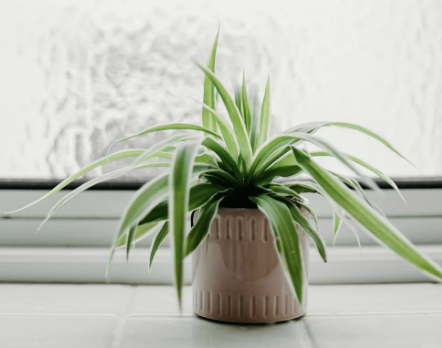
This guide is about how to repot a spider plant in a simple and easy way. It is designed for anyone who wants a healthier, fuller plant with strong new growth.
If your plant looks crowded, tired, or slow to grow, repotting can help it recover. It can also give the roots more space and improve drainage. This leads to stronger growth and fewer common issues like brown tips and root rot.
In this post, you will learn exactly when to repot, what tools you need, and how to do it step by step. Everything is written in a very simple way so you can follow along with confidence.
We will also cover pot size, soil, and common mistakes. By the end, you will know how to give your plant the best possible new home.
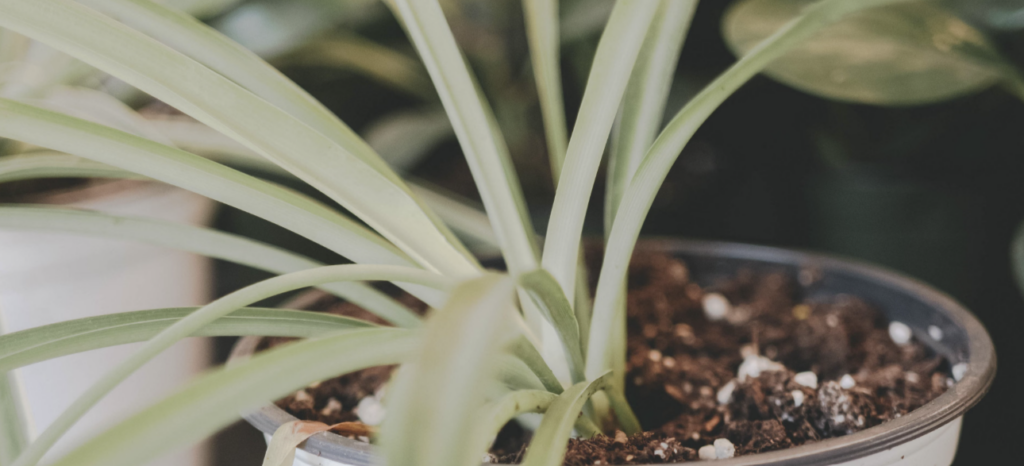
When to Repot Spider Plant
The best time to repot is early spring. This is when the plant starts active growth.
Spring gives the plant time to recover and grow new roots quickly.
Avoid repotting in winter unless it is urgent. Growth is slower then, and the plant may struggle to adjust.
Signs Your Spider Plant Needs Repotting
There are clear signs your plant needs a new pot.
Look for:
- Roots growing out of the bottom of the pot
- Roots pushing through the sides of the pot
- Slow or no new growth
- Water running straight through too fast
- Yellow or brown tips on leaves
- The plant looks crowded or top-heavy
These are all signs of stress and a tight root system.
How Often to Repot a Spider Plant
Most spider plants need repotting every 1 to 2 years.
Fast-growing plants or baby spider plants may need it sooner.
If growth is slow, check the root system before deciding.
Choosing the Right Pot Size
Choose a pot that is slightly larger than the current container.
A pot that is too large can hold too much water. This increases the risk of root rot.
The best pot size gives a little extra space, but not too much.
Aim for just 1–2 inches of extra space around the roots.
Types of Pots for Spider Plants
Plastic Pots
Plastic pots are lightweight and hold moisture well. They are a good idea for beginners.
Terracotta Pots
Terracotta helps with proper drainage. It dries faster and reduces excess water.
Self-Watering Pots
These can work, but be careful. Too much water can cause soggy soil.
Always choose pots with proper drainage holes.
Best Soil for Spider Plants
Spider plants grow best in fresh potting soil that drains well.
A good mix includes:
- Fresh potting soil
- Worm compost (small amount)
- Perlite for air pockets
- Nutrient-dense soil mix
Avoid heavy soil that stays wet. This can lead to root rot.
The best soil supports healthy roots and smooth transition after repotting.
What You Will Need
Before you start, gather everything first:
- New pot with drainage holes
- Fresh soil mix
- Small trowel or spoon
- Clean scissors (optional)
- Water
- Paper or cloth for cleanup
Having everything ready makes the process much easier.
How to Repot Spider Plant (Step-by-Step)
Step 1: Remove the plant
Gently take the plant out of the current pot.
If it is stuck, tap the sides of the pot.
Try not to damage the root system.
Step 2: Check the roots
Look for crowded or circling roots.
Loosen them gently with your fingers.
Remove much old soil if it is compacted.
Step 3: Prepare the new pot
Place a layer of fresh soil at the bottom of the pot.
Make sure the pot has drainage holes. This prevents excess water build-up.
Step 4: Place the plant
Set the plant in the new container.
Keep the top of the root ball level with the top of the soil.
Fill around the sides with fresh soil.
Press lightly to remove air pockets.
Step 5: Water gently
Water slowly until the soil is moist.
Do not soak it too much. Too much water can cause root rot.
Step 6: Place in the right light
Move the newly repotted plant to indirect light.
Avoid much sun for a few days while it adjusts.
Aftercare Tips
After repotting, your plant may need time to adjust. You need to make sure your spider plant care is correct.
You may see small signs of stress at first. This is normal. Keep soil slightly moist, but not soggy.
Avoid much fertilizer for a few weeks.
Propagating Spider Plant Babies
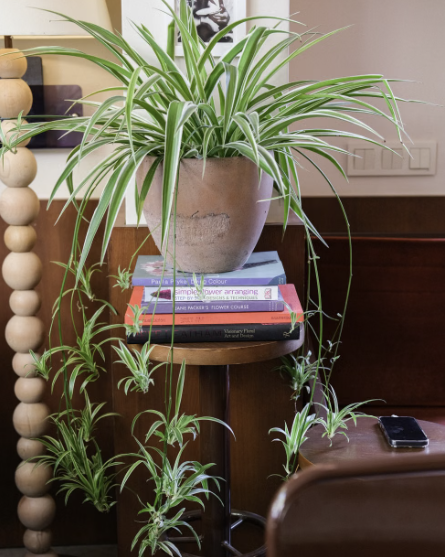
Spider plant babies are one of the easiest ways to grow new plants.
You can:
- Cut baby plantlets from the parent plant
- Place them in water until new roots form
- Or plant them directly into soil
Both propagation methods work well.
This is the easiest way to create your own spider plant collection.
Common Issues After Repotting
Some signs of distress include:
- Brown tips
- Drooping leaves
- Slow new growth
These usually fix themselves with proper care and stable conditions.
Frequently Asked Questions
How to tell if a spider plant needs to be repotted?
You will see roots coming out of the pot, slow growth, or water draining too fast. These are clear signs the plant needs more space.
Should I cut the babies off my spider plant?
Yes, you can. It helps the parent plant focus on strong growth. You can also use them to grow new plants.
Do spider plants prefer deep or shallow pots?
They prefer shallow to medium pots. Deep pots can hold too much water and increase soggy soil risk.
What type of soil does a spider plant need?
They need light, well-draining potting soil. A mix with perlite or worm compost works best.
Do you water a spider plant every day?
No. Water only when the top of the soil is dry. Overwatering can cause root rot.
What makes a spider plant happy?
Bright indirect light, proper drainage, and slightly moist soil make spider plants thrive.
What is the lifespan of a spider plant?
With proper care, spider plants can live for many years. Some live for decades and produce many new plants.
Can I put spider plant babies straight into soil?
Yes, you can. They will root easily in fresh soil mix if kept slightly moist.
What time of year do spider plants have babies?
They usually produce babies in spring and summer when growth rates are highest.
Repotting a spider plant is one of the best ways to improve healthy growth. It gives the roots space, refreshes the soil, and encourages new growth.
With the right pot size, fresh soil, and good drainage, your plant will quickly settle into its new home.
A happy spider plant will reward you with long stems, baby spider plants, and strong, vibrant leaves for a very long time