
The Elephant ear plant is hard to miss. Their huge leaves can quickly turn a room or garden into a tropical space.
However, elephant ears can look a little dramatic when their care is not quite right. Yellow leaves, brown spots, drooping leaves, and slow growth are all common concerns.
Luckily, care is fairly simple once you understand what the plant needs.
This guide covers everything from light and water to repotting and propagation. You will also learn how to grow elephant ears indoors and outdoors.
What is an elephant ear plant?
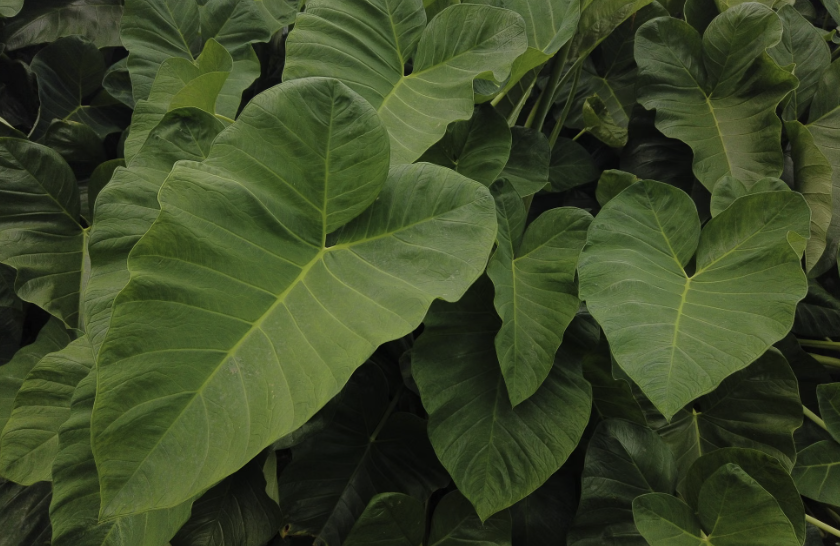
Elephant ear is the common name for several tropical plants. Most belong to the Alocasia, Colocasia, or Xanthosoma groups. They get their name from their large leaves. The leaves can look similar to an elephant’s ear.
One of the best-known species is Colocasia esculenta.
Alocasia plants are also very popular with indoor plant lovers. These plants come from tropical regions across Asia and the Americas.
They naturally grow in warm and humid environments. As a result, they enjoy warm temperatures, moisture, and plenty of light. Their natural growing habits can help you understand their care needs.
Elephant ear care for beginners
Elephant ears are not difficult plants. However, they do have a few needs that differ from common indoor plants.
They need more moisture than plants like snake plants or jade plants.
They also enjoy higher humidity than many popular indoor plants. Think of them as tropical plants rather than dry-loving houseplants.
The easiest way to remember their care is simple. Give them warmth, bright light, moisture, and good humidity. At the same time, avoid keeping the roots sitting in water. Good drainage is still very important.
Once you get this balance right, new growth can appear quickly.
Popular types of elephant ear plants
There are many different elephant ear plants to choose from. The most popular types include both Alocasia and Colocasia varieties.
Some popular varieties include:
- Alocasia macrorrhizos
- Alocasia odora
- Alocasia amazonica
- Alocasia ‘Black Magic’
- Colocasia esculenta
- Colocasia ‘Black Coral’
- Colocasia ‘Illustris’
Different types can have very different care needs. Therefore, always check the needs of your exact variety.
How big do elephant ear plants get?
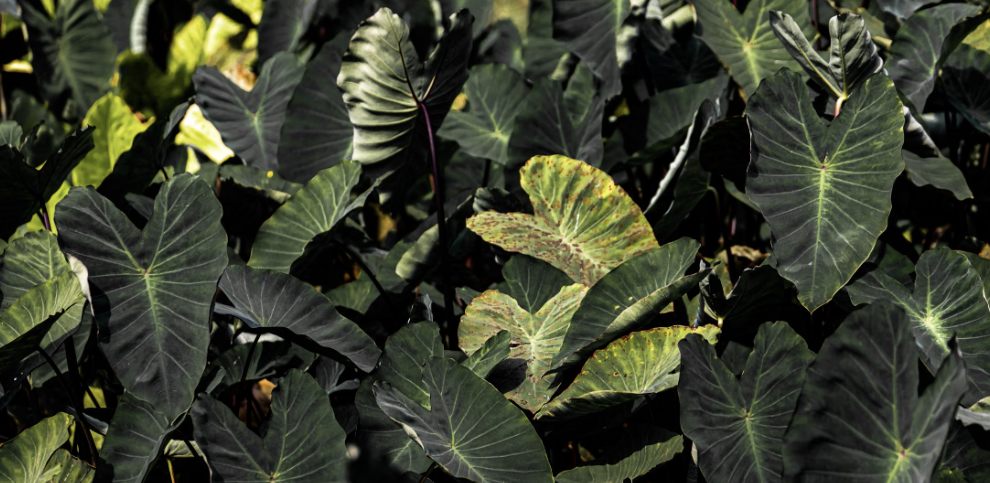
Elephant ears can become very large plants. If you want to use an elephant ear as a statement plant indoors, it can make a beautiful choice. In fact, it is one of my best large houseplants for your living room. Some varieties can reach several feet tall and wide. The final size depends on the variety and growing conditions.
Light, water, warmth, and space can all affect growth. A mature plant also needs more space than a young plant.
Indoor elephant ears usually stay smaller than outdoor plants. However, they can still become impressive indoor plants. Give your plant enough room to spread its leaves.
This also helps improve airflow around the foliage.
Can elephant ears grow indoors?
Yes, elephant ears can grow indoors. In fact, they can make stunning indoor plants. However, if you don’t have room for a plant with huge leaves, these best indoor small plants are a better choice for smaller spaces.
However, they need the right conditions to stay healthy.
Place your potted plant somewhere warm and bright. A bright room with filtered light is often ideal. You can grow elephant ears indoors all year in a warm home. However, growth may slow during the colder months. Indoor plants may also need extra humidity during winter. Keep them away from cold windows and heating systems.
Can elephant ears grow outdoors?
Yes, elephant ears can grow very well outdoors.
They are especially happy during warm weather. In tropical and warm regions, they can grow as in-ground plants. They can also work well in containers and garden borders.
However, colder climates need a little more planning. Many elephant ears cannot survive freezing temperatures. Therefore, check your local climate before planting them outside. Always bring sensitive varieties inside before the first frost.
Is elephant ear care similar to other plants?
Elephant ear care has some similarities with other tropical houseplants.
For example, they enjoy conditions similar to some Alocasia and Calathea plants. However, these plants usually need more moisture. They also benefit from high humidity.
Elephant ear light requirements
Elephant ears need plenty of light to grow well. However, the ideal light depends on the variety.
Many elephant ears enjoy bright, indirect light indoors. Some varieties can handle partial shade outdoors.
Others can tolerate full sun once they become established. Direct sunlight can sometimes scorch the leaves. This is especially true when a plant moves suddenly into strong sunlight. Therefore, increase sunlight slowly if you move your plant outdoors.
A spot with morning sun and afternoon shade can work well. Watch the leaves closely after changing the light. Pale growth can suggest that the plant needs more light. Brown patches can suggest too much harsh direct sunlight.
If your garden gets very little direct sunlight, you may also want to explore these best plants for full shade.
How to water elephant ears
Water is one of the most important parts of elephant ear care.
These plants enjoy consistently moist soil during the growing season. However, moist does not mean soaking wet. Water your plant when the top inch of soil feels slightly dry.
Check the soil surface before watering. You can use your finger to check the top inch. If the soil still feels wet, wait a little longer. When it is time to water, water thoroughly. Allow excess water to drain from the bottom of the container.
Never leave your plant sitting in a tray of water. This can reduce oxygen around the roots. It can also increase the risk of root rot.
Should you water elephant ears every day?
Usually, no. Elephant ears do not need daily watering in most homes.
However, they can need frequent watering during hot weather.
Large plants also use water quickly. Check the soil moisture instead of following a strict schedule. The best routine can change throughout the year.
Temperature
Elephant ears love warm temperatures. They grow best when temperatures stay comfortably warm.
A temperature range around 18°C to 29°C is usually suitable.
They can struggle when temperatures fall too low. Cold weather can also slow new growth. Protect outdoor plants from cold nights and frost.
Bring potted plants indoors before temperatures become too cold. This is especially important in colder climates.
Humidity
High humidity can make a big difference to elephant ears. These plants naturally grow in humid environments. Indoor air can become very dry, especially during winter. Dry air can cause brown leaf edges and crispy patches.
A humidifier is often the easiest solution. You can also group several indoor plants together. However, avoid placing plants so close that air cannot move around them. Good airflow helps reduce the risk of fungal problems.
Best soil for elephant ears
Elephant ears need rich soil that holds moisture. At the same time, the soil must drain well.
A good houseplant mix can work well for potted plants.
You can also add organic matter to improve the soil. Peat moss can help hold moisture in some mixes.
However, do not make the soil too heavy.
Poor drainage can cause serious root problems. The ideal mix should stay moist without becoming waterlogged.
Growing elephant ears in pots
Elephant ears can grow very well in containers.
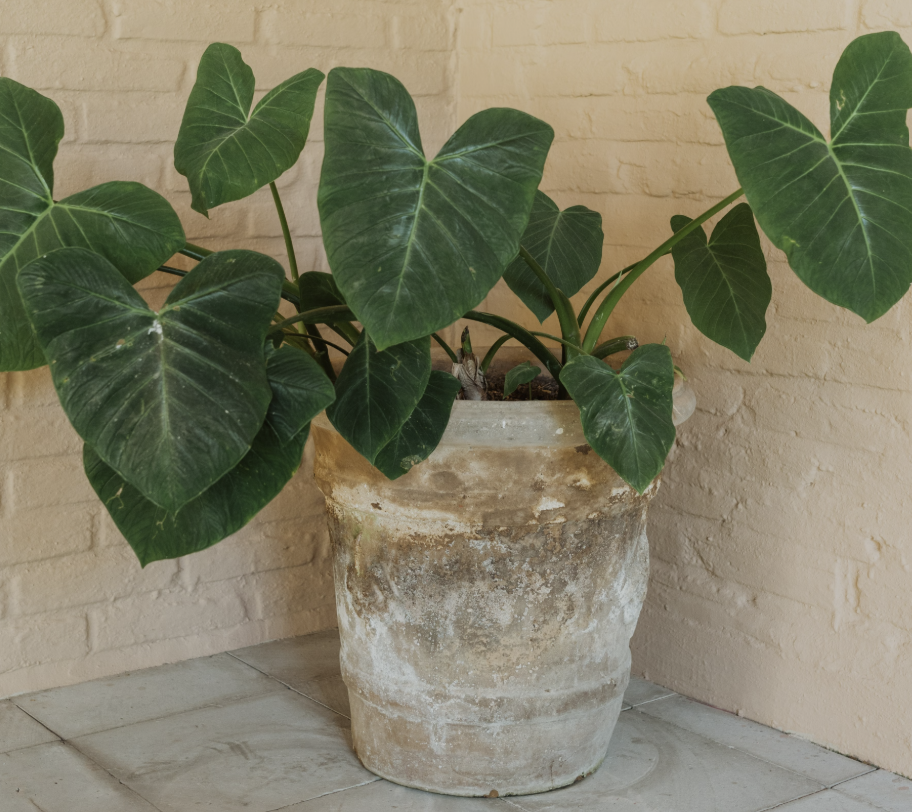
However, choose a pot that matches the plant’s size. A large container is useful for bigger varieties. The pot should always have drainage holes. This allows excess water to escape. Make sure the holes are not blocked by compacted soil. The roots need both moisture and oxygen.
Choose a sturdy container for large plants. Some elephant ears become top-heavy as they mature. A heavy pot can help prevent the plant from falling over.
How to grow elephant ears in pots
Start with a suitable container and fresh potting mix. Place the plant at the same depth as its current pot.
Do not bury the base of the plant too deeply.
Water thoroughly after planting. Then place it somewhere warm with bright light. Watch the soil moisture over the following weeks. The plant should soon begin producing new growth.
Repotting elephant ears
Elephant ears may need repotting as they grow.
The best time is usually early spring. This is when the plant is preparing for its growing season. Look for roots coming through the drainage holes.
You may also notice that the current pot dries out very quickly. These can both suggest that the plant needs more space. Choose a new pot that is only slightly larger. A pot that is too large can hold too much water.
Remove the plant carefully from its current pot. Check the root ball for signs of damage. Place it into fresh soil and water well. Keep the plant somewhere warm while it settles.
Pruning elephant ears
Elephant ears do not need regular pruning. However, removing damaged leaves can improve their appearance.
Use clean, sharp scissors or pruning shears.
Cut damaged leaves close to the base of the plant.
Avoid cutting healthy new leaves.
You can also remove yellow or dying foliage.
This allows the plant to focus energy on new growth.
Always clean your tools before and after pruning. This helps reduce the spread of disease.
How to propagate elephant ears
Propagation is usually done through division. Some types can also produce offsets or underground runners. Propagation from division is usually easier than using stem cuttings. Stem cuttings are not suitable for most elephant ear plants. The propagation method depends on the type you own.
How to split elephant ear plants
The division method is best used when the plant is actively growing.
Early spring is often the best time. First, remove the mature plant from its pot. Gently brush away some soil from the root ball. Look for separate sections, offsets, or underground growth. Each section needs healthy roots and growth points.
Use a clean, sharp knife when sections need separating. Make a clean cut through the root mass. Avoid damaging the main growing points. Place each section into a new pot. Use fresh, moist soil with good drainage. Water the new plants lightly. Then place them somewhere warm with bright, indirect light.
How to root elephant ear plant sections
You do not usually need to root elephant ears in water. Division works best when each section already has roots. Place the divided section directly into moist soil. Keep the soil slightly moist while new roots develop. Do not allow the soil to become soggy. New roots should begin forming as the plant settles. New leaves are a good sign that the propagation process worked.
How to grow elephant ear bulbs
Some elephant ears grow from underground structures called corms. These can be planted to produce new plants. Plant the corm according to the variety’s needs.
Generally, the growing point should face upwards. Use rich, well-draining soil. Keep the soil lightly moist after planting. Warm temperatures will encourage root growth. You can also start some bulbs indoors. This can give you a head start before warm weather arrives.
Elephant ear seasonal care
Your plant’s needs change throughout the year. Therefore, seasonal care is important.
Spring
Spring is often the best time for repotting. It is also a good time for propagation.
Begin increasing watering as new growth appears. Start feeding once the plant is actively growing.
Outdoor plants can move outside once temperatures stay warm. Avoid putting them outside too early.
Summer
Summer is usually the main growing season. Your elephant ear may produce huge leaves during this time.
Check the soil regularly. Large plants can use water very quickly. Outdoor plants may need more frequent watering than indoor plants. Protect them from extreme afternoon heat if needed. Continue feeding throughout active growth.
Autumn
Growth often begins to slow during autumn. Start reducing fertiliser as temperatures fall.
Check outdoor plants regularly for cold damage. If you live in a cooler climate, prepare for winter. Move potted plants indoors before the first frost.
Winter
Winter can be challenging for elephant ears. Many varieties enter dormancy when temperatures drop.
Indoor plants may continue growing slowly. Reduce watering if growth slows significantly. However, do not let the plant become completely dry. Keep indoor plants away from cold drafts. A warm, bright room is ideal.
Can elephant ears survive winter?
This depends on the variety and your climate. Some elephant ears can survive mild winters outdoors.
Others will not survive freezing conditions. Colder climates usually require winter protection. If your plant is in a pot, bring it indoors. You can also store dormant corms in some cases.
Can I leave elephant ears in pots over winter?
Yes, you can. Potted elephant ears can stay indoors during winter. Move the pot inside before the first frost. Place it somewhere cool but not freezing if it becomes dormant.
Reduce watering during dormancy. Avoid keeping dormant corms in constantly wet soil.
Some gardeners remove dormant corms and store them separately. A dry, dark place can work for dormant corms.
Paper bags can provide useful storage in suitable conditions.
Always check your variety before storing it.
Feeding elephant ears
Elephant ears are fast-growing plants. Therefore, they can benefit from regular feeding during the growing season. Use a balanced water-soluble fertilizer.
Follow the instructions on the product label. Avoid using more fertilizer than recommended. Too much fertilizer can damage the roots. Feed more often when the plant is actively growing. Reduce feeding during autumn and winter.
Plant benefits
Elephant ears are mainly grown for their appearance. Their large leaves create an instant tropical feel.
They can also add height and structure to a plant collection.
Potted plants work well on patios and balconies.
They can also create a strong focal point indoors.
Their huge leaves can make even a simple room feel more dramatic. They are especially useful for tropical-style garden designs.
Common elephant ear problems
Elephant ears can show clear signs when something is wrong. Learning these signs makes proper care much easier.
Why is my elephant ear plant turning yellow?
Yellow leaves can have several causes.
Overwatering is one of the most common problems.
Poor drainage can also cause yellow leaves.
The plant may also be reacting to cold temperatures.
Older leaves naturally turn yellow before dying.
Check the soil before changing your watering routine. If the soil stays wet for a long time, check the roots. You may need to improve drainage or repot the plant.
Why are my elephant ear leaves drooping?
Drooping leaves can happen for several reasons.
The plant may simply need water. Check the top inch of soil first. If the soil feels dry, water thoroughly. However, wet soil can also cause drooping.
Root problems can stop the plant from taking up water. Cold temperatures can also make leaves droop.
Look at the entire plant before deciding what to change.
Brown spots on elephant ear leaves
Brown spots can have several causes.
Strong direct sunlight can scorch the leaves.
Low humidity can also cause dry brown areas.
Overwatering can contribute to fungal problems.
Pests may also leave damaged areas behind. Check the leaves closely for insects.
Also look for signs of disease.
Curling leaves
Curling leaves often suggest stress.
Dry soil is one possible cause.
Low humidity is another common cause.
Temperature changes can also affect the leaves.
Check light, water, and humidity together. Avoid changing several things at once. Make one adjustment and watch the plant closely.
Slow growth
Elephant ears can slow down for several reasons. Low light is one common cause. Cold temperatures can also slow new growth. The plant may need more nutrients during active growth. A small pot can also limit root growth. Check the growing conditions before adding more fertilizer.
Pests
Elephant ears can attract common houseplant pests.
Spider mites are one pest to watch for. They can become worse in dry conditions. Look underneath the leaves for tiny insects or webbing.
Aphids and thrips can also affect elephant ears. Check new leaves and growing points regularly. Early detection makes treatment much easier. Wipe the leaves and isolate affected plants when needed. Then use a suitable treatment for the pest. Always follow the product instructions carefully.
Diseases
Fungal problems can occur when conditions stay too wet. Poor airflow can make the problem worse. Fungal leaf blight can cause dark or brown patches.
Overwatering can also contribute to root rot. Look for soft roots, yellow leaves, and a bad smell. These are common signs of serious root problems. Remove damaged roots and improve drainage if needed. Avoid getting the leaves constantly wet.
Good airflow can also help prevent disease.
Are elephant ears poisonous to cats and dogs?
Yes, these plants are poisonous to pets. These can cause irritation if the plant is chewed. For this reason, keep elephant ears away from curious pets. This is especially important with cats and dogs that chew plants. If your pet eats part of the plant, contact your vet.
If you have curious pets at home, you may prefer one of these pet-friendly houseplants instead.
What kills elephant ear plants?
Several problems can kill an elephant ear plant.
Freezing temperatures are one of the biggest risks.
Severe overwatering can also cause root rot.
Poor drainage can leave roots sitting in water.
Extreme drought can cause serious stress.
Pests and disease can become dangerous when left untreated.
The good news is that many problems are easy to prevent. Check soil moisture regularly. Provide suitable light and warm temperatures. Also keep a close eye on the leaves.
Are elephant ears perennials?
Elephant ears can be perennial plants. However, this depends on the species and climate.
In warm climates, they can grow year after year.
In colder climates, frost can kill the above-ground growth.
Some plants can survive underground and return the following year. Others need their corms protected during winter. Therefore, check the hardiness of your specific variety.
Should you get an elephant ear plant?
Elephant ears are a great choice if you love bold plants.
They can completely change the look of a room or garden. Their huge leaves create an instant tropical feel. They also grow quickly when conditions are right. However, they are not the best choice for every home.
You need enough space for their large leaves. You also need to stay on top of watering. If you have a warm home with good light, they can thrive. They are especially rewarding for plant lovers who enjoy fast growth. If you want something dramatic, an elephant ear is hard to beat.
Frequently asked questions
How do you take care of potted elephant ears?
Give potted plants bright, indirect light. Keep the soil consistently moist during active growth. Use a rich but well-draining potting mix. Make sure the container has drainage holes. Feed regularly during the growing season. Keep the plant warm and provide high humidity. Also, choose a large container for mature plants.
What do overwatered elephant ears look like?
Overwatered elephant ears often develop yellow leaves. The leaves may also droop despite wet soil. The soil can remain wet for several days. You may also notice a bad smell around the roots. Soft, dark roots are another warning sign. If this happens, check the root ball quickly. Remove damaged roots and improve drainage.
What are common problems with elephant ears?
Common problems include yellow leaves and drooping leaves. Brown spots and curling leaves can also occur. Spider mites and other pests can cause damage. Root rot is another common issue. Most problems come from incorrect light, water, humidity, or temperature. Check the basic growing conditions before making major changes.
Do elephant ear plants need to be cut back?
Elephant ears do not need regular pruning. However, damaged leaves should be removed. Cut yellow, brown, or dying leaves close to the base. Use clean, sharp tools when pruning. Outdoor plants may also need cutting back before winter. The exact method depends on your variety and climate.
Are coffee grounds good for elephant ears?
Coffee grounds are not necessary for elephant ears. Fresh coffee grounds can also affect soil conditions. They may become compacted when used in large amounts. Instead, use a good potting mix with organic matter. A balanced fertilizer is a more reliable choice.
Should you water elephant ears every day?
No, not usually. Watering every day can cause serious problems. Instead, check the soil moisture first. Water when the top inch of soil feels slightly dry. Hot weather can increase how often your plant needs water. Always check the soil rather than following a fixed schedule.
What kills elephant ear plants?
Freezing temperatures can kill many elephant ear plants. Severe overwatering can also cause fatal root rot. Poor drainage is a major risk for potted plants. Extreme drought can also cause severe damage. Pests and diseases can become serious if ignored. Good care can prevent most of these problems.
Can I leave elephant ears in pots over winter?
Yes, you can keep elephant ears in pots over winter. Move them indoors before the first frost. Keep them somewhere warm if they continue growing. If the plant becomes dormant, reduce watering. Never keep dormant roots sitting in wet soil. Some varieties can also have their corms stored separately. This can be useful in colder climates.
Summary
Elephant ears are bold, tropical plants that make a statement.
Their huge leaves can bring colour and texture into your home.
They can also transform a garden during the growing season.
The key is to recreate their natural conditions.
Give them warmth, moisture, light, and good humidity.
At the same time, make sure excess water can drain away.
Once you understand these basics, elephant ear care becomes much easier.
With the right conditions, you can enjoy new leaves and strong growth.
And if you have enough space, they can become one of the most impressive plants in your collection.