
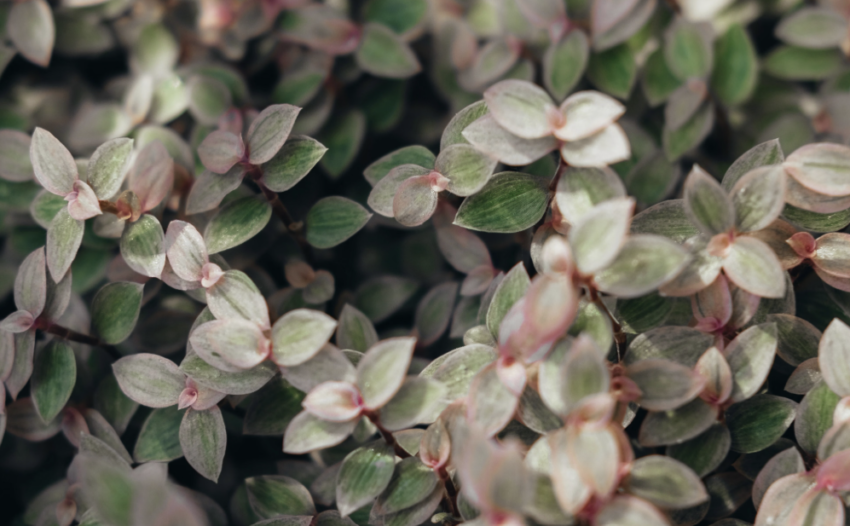
Learning how to propagate Callisia repens is much easier than you might expect. This pretty little plant grows quickly in the right conditions. It also produces long stems that are perfect for taking cuttings. The unusual foliage makes it a great addition to any plant lovers collection.
The easiest method is stem propagation. You can root the cuttings in water or place them directly into moist soil.
In this guide, I will explain how to propagate Pink Panther step by step. I will also cover the best time to take cuttings, where to cut, and how to encourage bushier growth.
Callisia repens is related to several popular houseplants. If you enjoy unusual foliage plants, you may also like my guide to Baby Rubber Plant care.
What Is Callisia Repens?
Callisia repens is a trailing plant from South America. It belongs to the Commelinaceae family, which also includes Tradescantia plants.
Its common names can make it a little confusing. You may see it sold as Callisia Pink Panther, Pink Lady, or Pink Lady Turtle Vine.
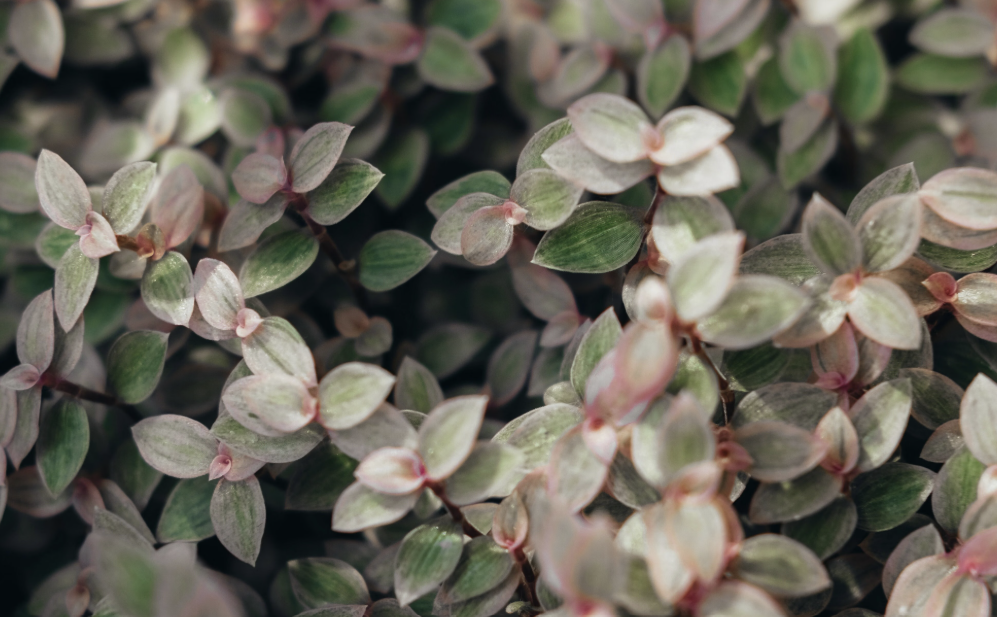
Callisia repens has small, waxy leaves that grow along long trailing stems. Depending on the variety and light levels, the leaves can show shades of green, pink, cream, and purple. The Pink Panther variety is especially popular for its vibrant foliage.
It is also a fast-growing plant during the growing season. This makes it a great candidate for propagation.
Its trailing growth also makes it a lovely choice for smaller spaces. If you’re looking for more compact greenery, take a look at my guide to the best indoor small plants for small spaces.
Is Callisia Repens Easy to Propagate?
Yes, Callisia repens is one of the easier plants to propagate. It produces long stems with many nodes. These nodes are important because they contain growth points that can produce new roots.
Stem cuttings are the simplest option for beginners. You can root them in water or plant them directly into soil.
You do not need special equipment either. A clean pair of shears, a small pot, and suitable potting mix are usually enough.
Because the plant grows quickly, you can often take several cuttings from one healthy plant.
If you enjoy easy-to-propagate plants, you may also like my guide to Happy Bean Plant care, another compact houseplant with unusual foliage.
When Is the Best Time to Propagate Callisia Repens?
The best time to propagate Callisia repens is during the growing season. Late spring and summer are usually ideal. Warmer temperatures encourage active growth and help new roots develop.
The plant also receives more natural light during the warmer months. This gives your cuttings more energy for root growth.
You can propagate Callisia repens during the winter months. However, growth may be slower. Cold weather and lower light can make rooting take longer.
For the best results, wait until your plant is actively producing new growth.
Before You Start
Before taking cuttings, check the parent plant carefully. Choose a healthy stem with strong growth. Avoid stems with brown spots, pests, or signs of disease.
Check the leaves for spider mites and other pest infestations. You do not want to spread pests to your new plants.
The parent plant should also have good soil moisture. However, the soil should never be soggy. If the plant has signs of root rot, deal with the problem before taking cuttings.
Healthy plant material gives you the best chance of successful propagation. It is also a good idea to choose several stems. Not every cutting will root at the same speed. Taking a few cuttings gives you a better chance of growing several strong new plants.
What You Need
You only need a few basic tools.
Use clean shears or sharp scissors to take your stem cuttings. Clean tools help reduce the risk of spreading bacteria or disease.
You will also need a clean glass or jar if you want to use water propagation.
For soil propagation, choose a small pot with a drainage hole. A nursery pot is ideal because it allows excess water to escape. Use a light, well-draining potting mix. A mix of peat moss and perlite can work well. Avoid heavy soil that holds too much water. You can also use a small container for each cutting. This makes it easier to control soil moisture while the roots develop.
How to Propagate Callisia Repens
There are two simple methods for Pink Panther plant propagation.
You can root stem cuttings in water. Alternatively, you can plant stem cuttings directly into soil. Both methods can work well. Water propagation lets you watch the new roots develop. Soil propagation is convenient because the cutting does not need to be moved later.
The best method often comes down to personal preference.
Method 1: Propagate Callisia Repens in Water
Water propagation is one of the easiest ways to propagate Pink Panther.
Start by choosing a healthy trailing stem. Look for a section with several small leaves and visible nodes.
Use clean shears to make a cut just below a node.
A cutting around 3 to 5 inches long is a useful size. However, you do not need to be exact.
Remove the lower leaves from the cutting. Keep several leaves near the top. Then place the cutting into a clean jar of water.
Make sure at least one node is below the water. Keep most of the leaves above the water.
Place the jar somewhere with bright indirect light. An east-facing window can work well. You can also use a brighter spot with filtered indirect sunlight.
Avoid strong direct sunlight while the cutting is rooting. Too much heat can cause the water to warm and stress the cutting.
Change the water when it becomes cloudy or dirty.
After a while, you should see new roots developing from the nodes. Once the roots are several centimetres long, you can plant the cutting into well-draining soil.
How Long Does Callisia Repens Take to Root in Water?
Callisia repens can root fairly quickly under the right conditions.
You may see new roots within a couple of weeks. However, rooting time depends on light, temperature, cutting health, and other environmental factors.
Warm room temperatures and bright indirect light can encourage faster growth. Do not worry if your cutting takes longer.
The main thing is to keep the water clean and give the cutting enough light.
Once you see several healthy roots, it is ready for soil.
Method 2: Propagate Callisia Repens Directly in Soil
You do not have to root Pink Panther in water first. Direct soil propagation can work very well.
Start by taking a healthy stem cutting. Make your cut just below a node.
Remove the lower leaves so that you have a clear section of stem.
Fill a small pot with moist, well-draining soil. Make a small hole in the soil with your finger.
Place the cutting into the hole. Make sure at least one node is beneath the soil surface. Gently press the soil around the stem. Do not press it down too firmly. The cutting needs oxygen around its developing roots.
Place the pot somewhere warm with bright indirect light. Keep the soil lightly moist while the cutting develops roots. However, do not keep it soggy. Excess water can reduce oxygen around the roots. This can increase the risk of root rot.
If you enjoy growing new plants from cuttings, you can also learn how to propagate Watermelon Peperomia using simple propagation methods.
How to Propagate Callisia Repens From Multiple Cuttings
You can also plant several stem cuttings into one pot. This is a great way to create a fuller plant quickly.
Take several healthy cuttings using the same method. Then place them around the edge of a small pot. Make sure each cutting has at least one node in contact with the soil. Keep the soil lightly moist.
As the cuttings root and begin producing new growth, they will start to fill the pot.
This method can create a bushy plant much faster than starting with one cutting.
The Science Behind Callisia Repens Propagation
There is a simple reason stem cuttings work so well. Plant stems contain nodes. These are areas where leaves and new growth develop.
Nodes also contain cells that can produce new roots under the right conditions.
After you take a cutting, the plant responds to the wound.
Hormones called auxins help control root development. These hormones play an important role in forming new roots. This is why making the cut close to a healthy node is so useful.
The cutting also needs enough moisture to stay alive while it develops roots. However, too much water can cause problems.
Roots need oxygen as well as water. Soggy soil can reduce the amount of oxygen around the cutting. This explains why well-draining soil is so important.
The right balance of moisture, oxygen, warmth, and light gives the cutting the best chance of success.
Where Should You Cut a Pink Panther Plant?
The best place to cut is just below a healthy node. Look closely at the stem. You should see small points where leaves grow from the stem. These are the nodes. Make a clean cut just below one of them. The node can then be placed in water or soil.
Avoid taking a cutting that only contains leaves and no node. A healthy node gives the cutting the best chance of producing new roots.
Should You Cut Above or Below the Node?
For propagation, cut just below the node. This leaves the node attached to your cutting. The node is the important part because it can produce new roots.
When pruning the parent plant, however, you can make your cut just above a node. This leaves the node on the parent plant. It can then produce new growth.
So, remember the simple rule: Cut below the node when taking a cutting.
Cut above the node when pruning the parent plant.
How to Make Pink Panther Plants Bushier
Propagation and pruning can work together. If your Pink Panther becomes long and sparse, trim the trailing stems. Make your pruning cut just above a node. This can encourage new growth from the stem below the cut.
You can then use the pieces you remove as stem cuttings. Plant several cuttings back into the same pot. Over time, this can create a much fuller plant.
Good light is also important. A plant that does not receive enough light may produce longer stems with more space between the leaves. Move it to a brighter spot with bright indirect light if this happens.
Tips for Successful Pink Panther Plant Propagation
Start with a healthy parent plant.
Choose strong stems with plenty of nodes.
Always use clean shears.
Make clean cuts rather than crushing the stem.
Give your cuttings bright indirect light.
Keep them warm while they develop roots.
Keep soil cuttings lightly moist.
Avoid soggy soil and excess water.
Use pots with good drainage.
Do not move cuttings around too often.
Finally, be patient. New roots need time to develop. Once you see new growth, you know the cutting has started to establish.
Callisia Repens Care After Propagation
Once your cutting has rooted, it needs proper care to keep growing.
Place it somewhere with bright indirect light.
The plant can tolerate some partial shade. However, stronger light often helps maintain its vibrant pink leaves.
Water when the top inch of soil has started to dry. Then give the plant a good soak. Allow excess water to drain through the drainage hole. Never leave the roots sitting in water.
For more details on caring for this plant, read my post on Pink Panther Plant Care.
Soil
Choose a light potting mix with good drainage. You can use a mix containing peat moss and perlite. Some organic matter is useful, but avoid heavy mixes that stay wet for too long.
Humidity
Callisia repens can enjoy higher humidity levels. However, it can often grow well in normal household conditions. Extra humidity may be useful during dry winter weather. Keep the plant away from radiators and very dry air.
Feeding
Feed during the growing season if your plant is actively growing. A balanced liquid fertilizer diluted according to the label can work well. Do not use much fertilizer. Too much fertilizer can damage the roots and cause leaf problems.
Common Pink Panther Plant Problems
Most Callisia repens problems come from simple care mistakes.
Too much water can cause root rot.
Too little light can cause leggy growth.
Very dry conditions can cause leaves to dry or drop.
Spider mites can also become a problem, especially when humidity levels are low.
Check your plant regularly for pests. If you notice spider mites, isolate the plant from other indoor plants. You can then treat the infestation with an appropriate pest control method, such as insecticidal soap or neem oil.
Also check the plant’s location. Environmental factors such as light, temperature, humidity, and watering can all affect its health.
What If Your Cutting Is Not Rooting?
Do not assume the cutting has failed straight away. Check the conditions first.
Is it warm enough?
Does it receive bright indirect light?
Is the soil too wet or too dry?
Does the cutting have a healthy node?
These factors can all affect rooting.
If the cutting starts turning black or soft, rot may be developing. Remove the damaged section and try again with a healthy piece of stem. Sometimes starting with a fresh cutting is the best option.
Frequently Asked Questions
Can Pink Panther Plant Be Propagated Directly in Soil?
Yes, Callisia repens can be propagated directly in soil.
Take a healthy stem cutting and cut just below a node. Remove the lower leaves and place the node into moist, well-draining soil.
Keep the soil lightly moist while the cutting develops roots.
Then give it bright indirect light and warm room temperatures.
This method is simple and avoids moving the cutting from water to soil later.
Are Pink Panther Plants Hard to Take Care Of?
No. Pink Panther is generally a low-maintenance plant.
It needs bright indirect light, well-draining soil, and careful watering.
Avoid giving it much water at once if the soil is already wet.
The plant can tolerate some lower light conditions. However, brighter light usually produces better colour and stronger growth.
Overall, it is a good choice for indoor plant enthusiasts.
Where Do You Cut a Pink Panther Plant for Propagation?
Take your cutting just below a healthy node. Choose a stem with several leaves and nodes.
The cutting should contain at least one node that can be placed in water or soil.
Avoid damaged or unhealthy stems. A clean cut from a healthy plant gives you the best chance of success.
What Are Common Pink Panther Plant Problems?
Common problems include root rot, yellow leaves, dropping leaves, leggy growth, and spider mites. Most issues are linked to watering, light, or environmental factors.
Soggy soil is a common cause of root problems.
Low light can also cause long, weak growth.
Spider mites are more likely when conditions are very dry.
Checking the basic care first can often help you find the cause.
Do You Cut Above or Below the Node to Propagate Pink Panther Plant?
Cut below the node when taking a stem cutting. The node needs to remain attached to your cutting. You can then place the node into water or soil.
When pruning the parent plant, cut above a node instead. This leaves the node on the parent plant, where it can produce new growth.
How Do You Make Pink Panther Plants More Bushy?
Pruning is one of the best ways to encourage a bushier Pink Panther.
Trim long stems just above a healthy node. This can encourage new growth lower down the stem. You can also plant the cuttings back into the same pot.
Over time, several rooted stems can create a much fuller plant.
Good light is important too. Give the plant bright indirect light to support optimal growth.
How Do You Propagate a Pink Panther Plant in Water?
Choose a healthy stem and cut just below a node. Remove the lower leaves from the cutting.
Then place the node into a clean jar of water. Keep the leaves above the water. Change the water when it becomes cloudy.
Place the jar in bright indirect light.
Once several new roots have developed, move the cutting into well-draining soil.
Can You Propagate Callisia Repens From a Single Leaf?
Stem cuttings are the easiest way to propagate Callisia repens.
A single leaf does not give you the same growth points as a stem with nodes.
For the best results, use a section of stem with at least one healthy node.
This gives the cutting a better chance of producing new roots and shoots.
Can You Propagate Pink Panther Plant From Seed?
It is possible for Callisia repens to produce small white flowers and seeds.
However, pink panther plant propagation from seed is not the easiest method.
Stem cuttings are faster and much more reliable for home growers.
They also allow you to create a new plant that keeps the traits of the parent plant.
For most plant lovers, stem propagation is the best choice.
How Often Should You Water a Pink Panther Plant?
Water when the top inch of soil has started to dry.
Then give the plant a good soak and allow excess water to drain. Do not keep the soil constantly soggy.
The exact watering schedule depends on light, temperature, pot size, and humidity.
During the growing season, the plant may need water more often. During winter, allow the soil to dry a little more between waterings.
Why Are My Pink Panther Leaves Losing Their Colour?
Pink Panther plants need enough light to maintain their vibrant foliage. If the plant is growing in a darker location, its leaves may become greener.
Move it to a brighter spot with indirect sunlight. Avoid suddenly placing a low-light plant in intense direct sun. Gradually increase the light to prevent leaf damage.
Is Pink Panther Plant the Same as a Tradescantia?
No. Callisia repens and Tradescantia are different plants.
However, they are related and belong to the same broader plant family.
This is why you may see Callisia described using names such as Tradescantia Callisia. Their trailing growth habit can also look similar.
Can Pink Panther Plant Grow Outdoors?
Callisia repens can grow outdoors in warm conditions.
It prefers bright light and protection from harsh midday sun. However, it is not suited to cold weather.
If you live in a cooler climate, bring the plant indoors before temperatures fall.
Summary
Callisia repens is one of those plants that makes propagation feel easy.
Its trailing stems produce plenty of nodes. This gives you lots of opportunities to create new plants.
The simplest method is to take a healthy stem cutting and root it in water or soil.
For the best results, propagate during the warmer months. Give your cuttings bright indirect light and keep them warm.
If you choose soil propagation, use a light, well-draining mix. Keep the soil moist but never soggy.
Once your new plant is established, regular pruning can help it become fuller and bushier.
With the right conditions, one Pink Panther plant can quickly become several.
So, if your Callisia repens is looking healthy, why not give propagation a try? It is an easy way to expand your plant collection and share a little vibrant colour with someone else.
Happy gardening!