
If you want a plant that truly feels alive, the sensitive plant is a must-have. This fascinating plant reacts when you touch it. Its leaves fold up in seconds. It feels almost magical.
Even better, it is easy to grow once you understand its needs. So, if you are a plant lover or a first time grower, this guide will help you succeed.
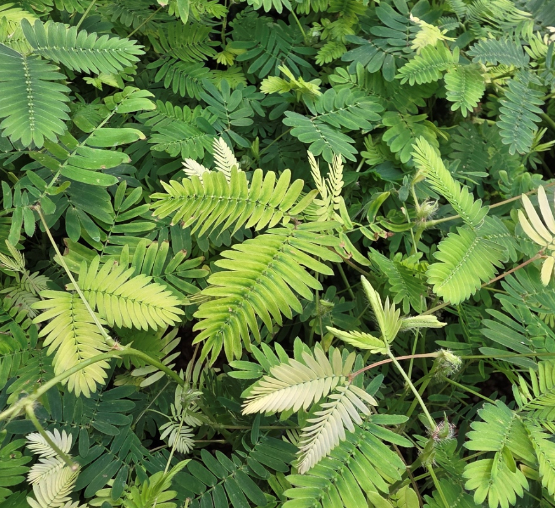
Background
The sensitive plant, also known by its botanical name Mimosa pudica, is a tropical plant from South America and Central America. It is part of the pea family and is often called the shy plant or humble plant.
Its most famous feature is its seismonastic movement. This is a fast leaf movement used as a defense mechanism. When touched, the fern-like leaves fold up to protect the plant.
In its native habitat, it grows in warm, humid conditions. So, recreating that environment indoors is the best way to keep it happy.
Types
Most people grow the classic Mimosa pudica. However, there are other mimosa plants with similar features. Still, this is the most popular choice for indoor gardens.
It is a unique species, and its rapid movement makes it stand out from other indoor plants.
Is Sensitive Plant Similar to Other Houseplants?
In some ways, yes. It likes bright light, warm temperatures, and moist soil, just like many tropical plants.
However, it is more delicate than a snake plant or pothos. So, it needs a bit more attention. Still, with the right care routine, it is not hard to grow.
If you love unusual houseplants, explore The Most Interesting Plants To Add To Your Collection for more unique plants to grow at home.
Where to Grow and How to Style the Sensitive Plant
The best place is a bright indoor space with plenty of sunlight. A sunny windowsill works well. A south-facing window is ideal.
It also looks great in an indoor garden. Its feathery leaves and leaf movement create a real focal point.
You can style it in a decorative pot with drainage holes. This helps both the look and the plant’s health.
Light
Sensitive plants need bright light and plenty of sunlight. They do best in indirect sunlight, but they can handle some direct sun.
If there is not enough light, you may see leggy growth. The stems will stretch, and the plant will look weak.
So, always aim for a bright spot with indirect light for best results.
Water
Watering is very important. The soil should stay moist, but not soggy.
A good rule is to check the top inch of soil. If it feels dry, it is time to water. Use warm water and water evenly.
Too much water can cause root rot. On the other hand, dry soil can lead to crispy leaves. So, balance is key.
Temperature
Sensitive plants love warm temperatures. Average room temperatures are perfect.
Keep them away from cold drafts and cold windows. They do not like sudden drops in temperature.
Warm conditions will support healthy growth and new growth.
Humidity
High humidity is very helpful. This plant comes from tropical regions, so it enjoys a humid environment.
If your home is dry, use a pebble tray or try regular misting. This will boost humidity levels.
Low humidity can cause yellow leaves or crispy edges.
Fertiliser
Feed your plant during the growing season. A water-soluble fertilizer works well.
Use it every few weeks in spring and summer. This supports rapid growth and healthy leaves.
In the winter months, reduce feeding. The plant slows down during this time.v
Soil
Use well-draining soil with good drainage. A mix with organic matter works best.
Make sure your pot has drainage holes. This prevents excess water from sitting at the bottom.
Good soil helps avoid common issues like root rot.
Repotting
Repot when the plant outgrows its pot. You may notice roots filling the space.
Move it to a slightly larger pot with fresh soil. Be gentle to avoid transplant shock.
Young plants may need repotting more often than mature plants.
Pruning
Pruning helps keep a bushy appearance. Trim back long stems using clean tools.
Remove dead leaves and lower leaves when needed. This keeps the plant looking fresh.
Regular pruning also supports new growth.
Propagation
The best way to grow new plants is from sensitive plant seeds. Mimosa pudica seeds are easy to find.
You can also try stem cuttings, but seeds are more reliable.
Plant seeds in moist soil and keep them warm. They will sprout quickly in the right conditions.
Seasonal Care
During the growing season, your plant will grow fast. Water and feed regularly.
In cooler climates, growth slows in late fall and winter months. So, reduce watering and feeding.
Always adjust care based on the time of year and environmental factors.
Sensitive Plant Benefits
This is more than just a pretty plant. It is a great plant for learning and fun.
Its rapid movement makes it perfect for plant parents and kids. It also brings life to any indoor space.
Plus, it can improve indoor air and add a calming touch to your home.
How to Encourage Blooming
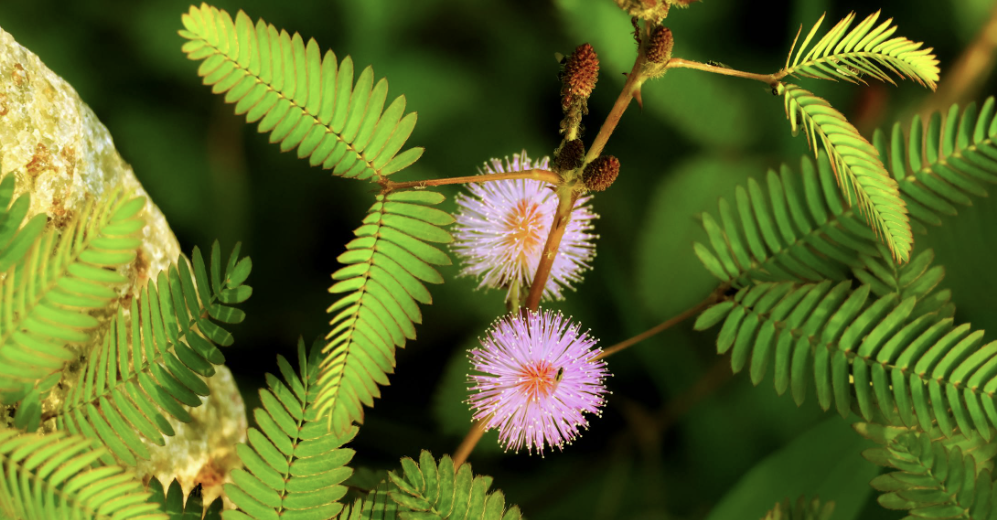
Sensitive plants can produce small pink flowers. These grow into seed pods later.
To encourage blooms, give the plant plenty of light and proper care. Warm temperatures also help.
Healthy plants in ideal conditions are more likely to flower.
Common Problems in the Sensitive Plant
Yellow leaves often mean too much water or poor drainage.
Leggy growth usually means not enough light.
Crispy leaves can be a sign of low humidity or water loss.
Always check soil moisture and light first when troubleshooting.
Pests
Common pests include spider mites. They like dry air and weak plants.
Check the leaves often, especially the underside. Wipe with a damp cloth if needed.
Keeping humidity high can help prevent pests.
Diseases
Root rot is the most common disease. It comes from excess water and poor drainage.
Powdery mildew can also appear in humid but still air.
Good airflow and proper care help prevent these problems.
Is The Sensitive Plant Pet Friendly?
Sensitive plants are not toxic, but they are not ideal for pets.
They have tiny hairs and can upset curious animals. So, keep them out of reach if possible.
Conclusion
The sensitive plant is a truly unique plant. Its leaf movement makes it fun and interactive.
With the right care, it can thrive in your indoor garden.
So, if you want something different, this is a great choice. It is simple, rewarding, and always interesting.
FAQ
Are sensitive plants easy to grow?
Yes, they are easy with the right care. They just need light, warmth, and moisture.
Do sensitive plants come back every year?
In warm climates, yes. Indoors, they are often grown as short-lived plants.
How do I bring my sensitive plant back to life?
Check light, water, and humidity. Fix these first. Remove dead leaves and give proper care.
Are sensitive plants hard to keep alive?
No, but they need attention. They are more delicate than some houseplants.
What is the lifespan of a sensitive plant?
Most live one to two years. However, you can grow new ones from seeds.
How big will a sensitive plant get?
It can grow up to 1 to 2 feet tall with trailing stems.
What happens when you touch a sensitive plant?
The leaves fold up quickly. This is a natural defense mechanism.
How long does it take for a sensitive plant to reopen?
It usually reopens in about 10 to 30 minutes.