Struggling to keep your indoor plants happy because your home doesn’t get enough natural light? You’re not alone. Many plant lovers face the same challenge, especially during winter or in rooms with a northern exposure. The good news is that grow lights can completely change the game.
Grow lights allow you to grow healthy plants almost anywhere, regardless of the amount of natural sunlight available. If you’re caring for a rare collector plant, a shelf full of indoor plants, or a single statement piece in your living room, the right grow light can make all the difference.
In this guide, you’ll discover the best plants for grow lights and learn why they respond so well to artificial lighting. We’ll also cover the different types of grow lights, how they work, and how to choose the right setup for your plant’s needs. By the end, you’ll know exactly which plants thrive under grow lights and how to keep them looking their best all year long.
What Are Grow Lights?
Grow lights are artificial light sources designed to help plants grow indoors. They give plants the energy they need when natural light is limited.
Plants use light to make sugars that fuel growth. In nature, they get this from the sun. Indoors, sunlight is not always available. So, grow lights help fill that gap.
Why Plants Need Light to Grow
Light is like food energy for plants. Without it, they cannot grow well.
Plants turn light into sugars through a natural process. These sugars fuel healthy leaves, roots, and stems. When light is too low, growth slows down.
So, good lighting is key for strong, healthy plants indoors.
Different Types and Colours of Light
Not all light is the same. Different colours help plants in different ways.
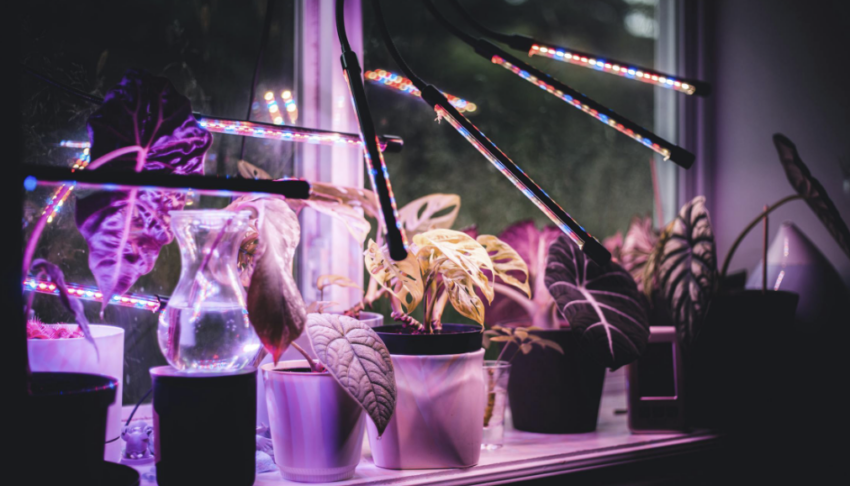
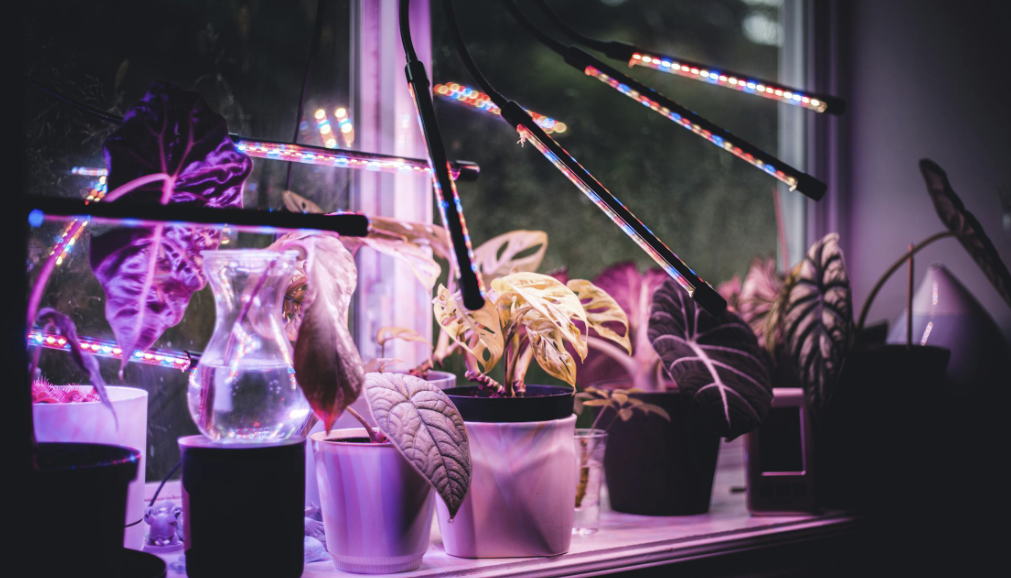
Blue light helps plants grow strong leaves and steady structure. Red light helps with flowering and overall growth. Together, they support healthy development.
Many LED grow lights combine blue wavelengths and red wavelengths. This creates a balanced light spectrum that works well for most plants.
Full-Spectrum LED Grow Lights
Full-spectrum LEDs are often seen as the best choice. They mimic natural sunlight closely.
These grow lights give plants the right mix of light for all growth stages. They also use less energy and stay cooler than older bulbs.
Because of this, they are popular with indoor gardeners who want easy, healthy growth.
Fluorescent and Other Light Options
Fluorescent lights are another common option. They work well for small plants and seedlings.
Compact fluorescent bulbs are similar and also useful for beginners.
High-intensity discharge lights are very strong. However, they produce a lot of heat. Because of this, they are mostly used by commercial growers rather than home setups.
Why LED Grow Lights Are So Popular
LED lighting has become a top choice for indoor plants.
They are energy efficient and last a long time. They also produce less heat, which protects plants from damage.
LED lights give steady, consistent lighting. Many also include timers. This makes it easier to set a simple grow light schedule.
Overall, they are a low-stress option for healthy indoor plant growth.
Why Use Grow Lights?
Grow lights help provide adequate light when natural conditions fall short. They allow you to grow plants in darker rooms, apartments, offices, and during shorter winter days.
They also give you more control over light intensity, hours of light, and coverage area. This means healthier plants, stronger growth, and better results throughout the year.
For many indoor gardeners, a grow light of some sort is no longer a luxury. It is an essential tool for maintaining healthy plants indoors.
Best Plants for Grow Lights
1. African Violet
African violets are famous for their beautiful flowers, which come in shades of purple, pink, blue, and white.
These compact plants thrive under fluorescent lighting and LED grow lights. They appreciate bright light but dislike direct sunlight. A grow light provides consistent lighting that encourages regular blooms.
Keep the soil lightly moist and avoid wetting the leaves. African violets are easy to care for once you find the right routine. With proper lighting, they can flower almost year-round.
2. Alocasia Polly
Alocasia Polly is known for its dramatic dark green leaves and striking veins.
This tropical plant enjoys bright indirect light and high humidity. Grow lights help maintain healthy growth during darker months.
Keep the soil lightly moist and avoid cold drafts. Although it needs a little extra attention, the stunning foliage is worth the effort.
3. Boston Fern
Boston Ferns create a lush display with their soft, arching fronds.
They thrive under full-spectrum LEDs because they enjoy consistent light levels. Grow lights help prevent thin or sparse growth.
Keep the soil evenly moist and provide extra humidity. This plant is moderately easy to care for and rewards you with beautiful foliage.
4. Florida Ghost
Florida Ghost is one of the most sought-after indoor plants among collectors.
Its new leaves emerge almost white before gradually turning green. Under the right grow light, the pale coloring becomes even more impressive.
Bright indirect light is essential for this plant. Many growers use LED grow lights to maintain its ghostly appearance, especially during winter. Keep the soil lightly moist and avoid direct sunlight.
5. Monstera Deliciosa
Monstera Deliciosa is loved for its large split leaves and tropical appearance.
While it can survive in lower light, it grows much faster under LED lighting. Grow lights help encourage larger leaves and stronger growth.
Allow the top layer of soil to dry slightly between waterings. It is one of the easiest tropical plants to grow indoors.
6. Philodendron Brasil
Philodendron Brasil features heart-shaped leaves with bright green and yellow variegation.
Grow lights help maintain the vibrant colors and encourage fuller growth. Without enough light, the variegation can fade.
This is a very forgiving plant and a great choice for beginners.
7. Pothos
Pothos is one of the best plants for grow lights because it adapts to many conditions.
Its trailing vines can quickly fill shelves, plant stands, and hanging baskets. Grow lights encourage longer vines and larger leaves.
Pothos tolerates low light but truly thrives when given consistent artificial lighting.
8. Snake Plant
Snake plants are famous for their upright leaves and low-maintenance nature.
Although they tolerate low light, they respond surprisingly well to grow lights. Additional light encourages faster growth and stronger foliage.
Allow the soil to dry completely before watering. This is one of the easiest houseplants to grow indoors.
9. Spider Plant
Spider plants are excellent for beginners and experienced growers alike.
Grow lights encourage more baby plants and fuller growth. Their striped leaves brighten any indoor environment.
Water when the soil begins to dry and provide bright indirect light.
10. ZZ Plant
ZZ plants are often recommended for darker homes. However, they can benefit greatly from grow lights.
Additional light encourages faster growth and healthier stems. Their glossy leaves also stay more vibrant.
This hardy plant requires very little care and tolerates occasional neglect.
Choosing the Right Grow Light
Most houseplants do best under full-spectrum LEDs. They provide the most balanced support and closely mimic natural sunlight.
Position your light fixture around 6-12 inches above the plant, depending on the light intensity. Always check the manufacturer’s guidance for your specific grow light type.
Remember that different plants have different light requirements. Some need only a few hours of light each day. Others may require 12 to 14 hours.
The right fixture, the right intensity of light, and a consistent schedule can transform your indoor garden.
Conclusion
Grow lights make indoor gardening easier than ever. They help plants stay healthy, colorful, and actively growing throughout the year.
Whether you’re growing a rare Florida Ghost, a collection of snake plants, or flowering African violets, the right grow light can help you achieve better results. With modern LED grow lights offering excellent energy efficiency and a long lifespan, there has never been a better time to brighten your indoor garden.